Tour Tuesday: University of Glasgow
I try to visit 30–50 college campuses each year, and starting now, I’m going to share more of those experiences here on the blog. These posts will include my personal notes, impressions, and images from each stop - some practical, some purely observational. Whether you’re a prospective student, a parent, or just someone who enjoys exploring different college environments, I hope this series gives you a better sense of what these places are really like on the ground!
University of Glasgow: Ancient Roots, Modern City, Global Degrees
Quick Look
Founded in 1451 - one of the ancient universities of the English-speaking world
Consistently ranked among the world’s top 100 universities
Main campus located in Glasgow’s vibrant West End with cafés, culture, green spaces
Strong research footprint; membership in the Russell Group of research-led UK universities
Active student life: many societies, dual student unions, city access to music/theater, proximity to Highlands & Scottish outdoors
Overview
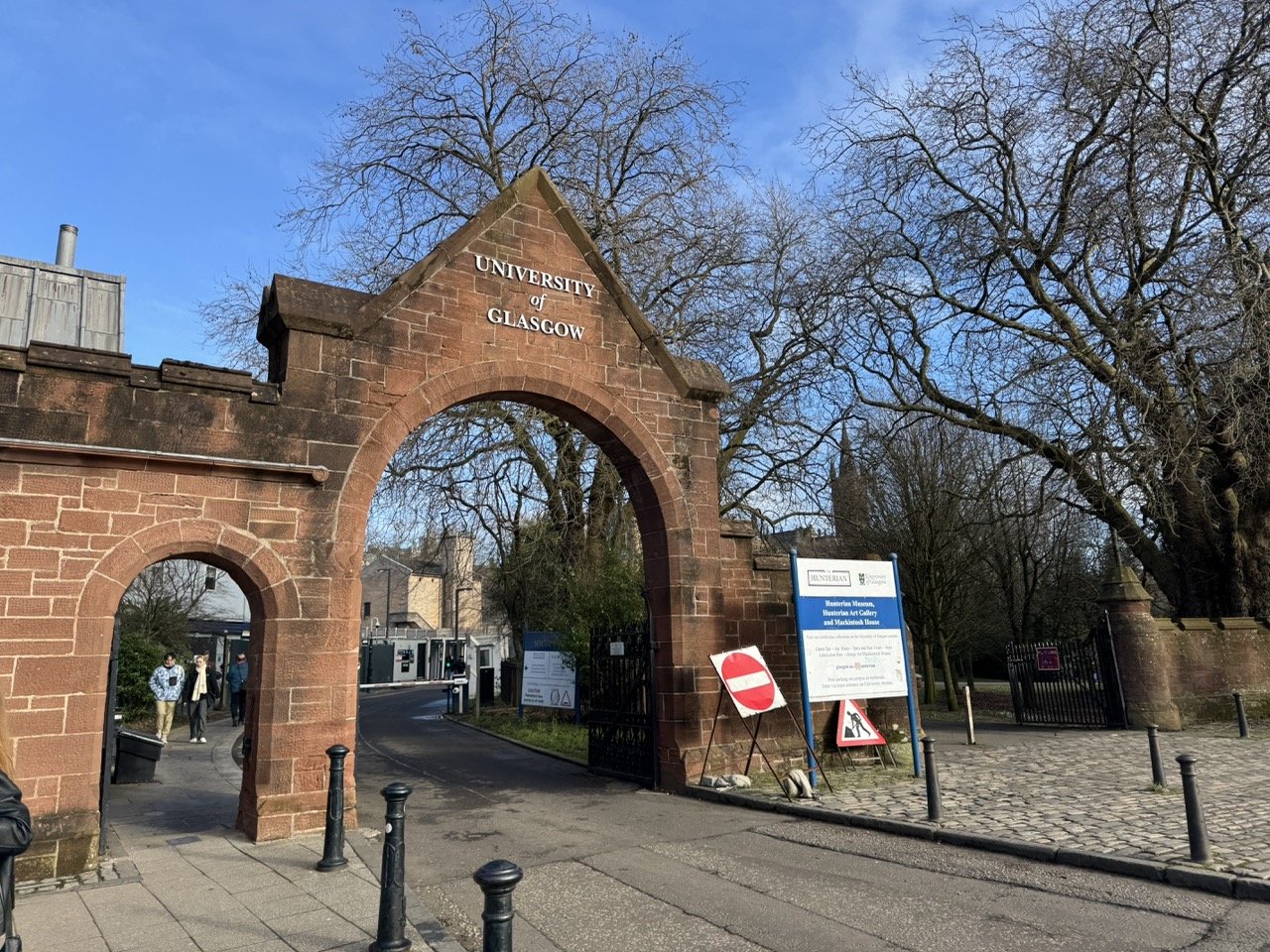
If you walk into the University of Glasgow’s campus on a crisp Scottish morning, you’ll likely hear a mix of accents, see stone buildings jutting above trees, and catch hints of both tradition and innovation. For American families considering an overseas undergraduate experience, Glasgow offers a compelling blend: rigorous academics, deep history, and city life at your doorstep. Here’s how I’d walk you through it, family in tow.
Location & Campus Vibe
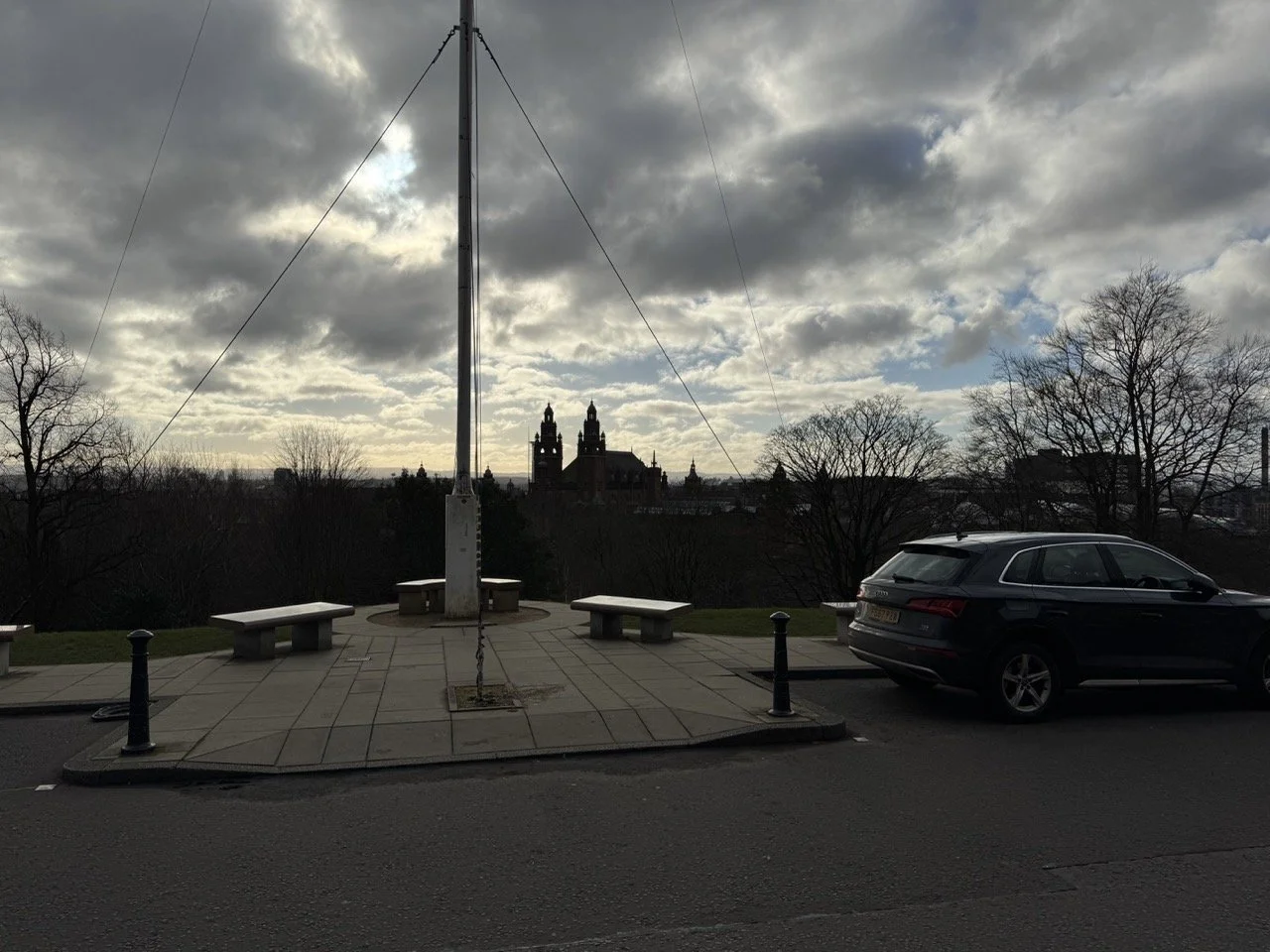
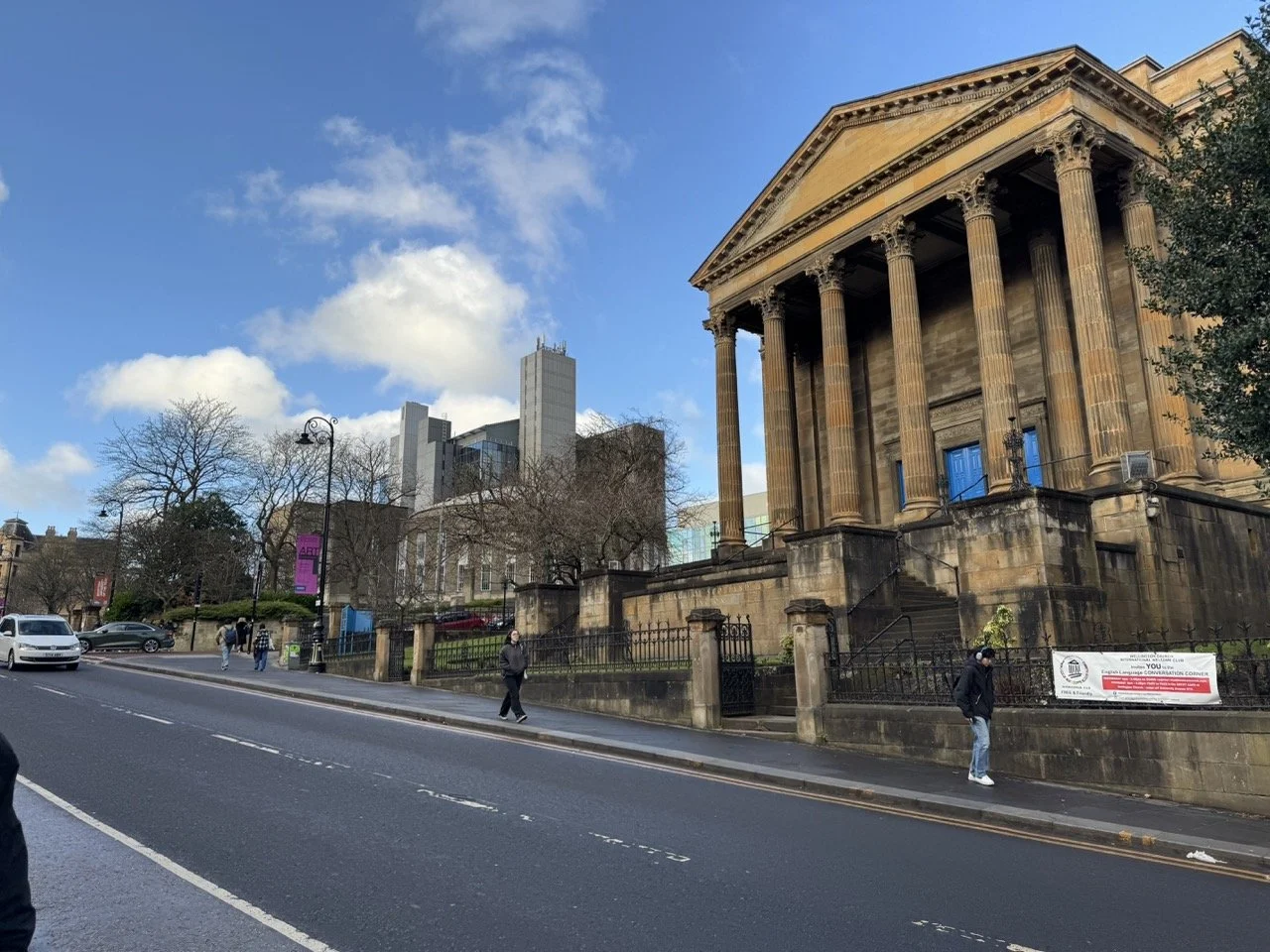
Glasgow is not just a backdrop, it’s part of the education. The University’s West End setting places students near leafy parks, vintage shops, cafes, and cultural venues. Kelvingrove Park, the Art Gallery, and the Botanic Gardens are all within walking or short transit distance.
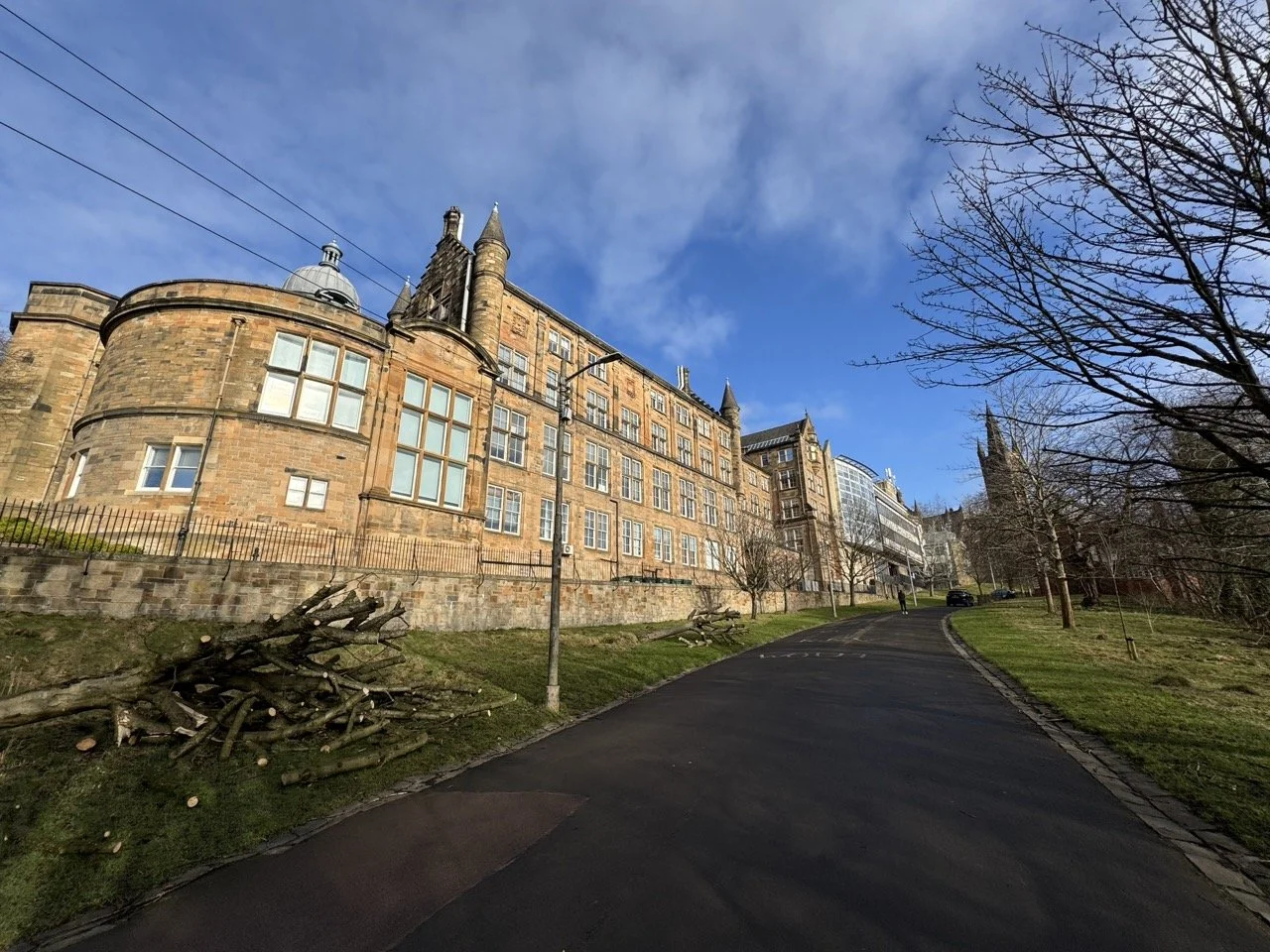
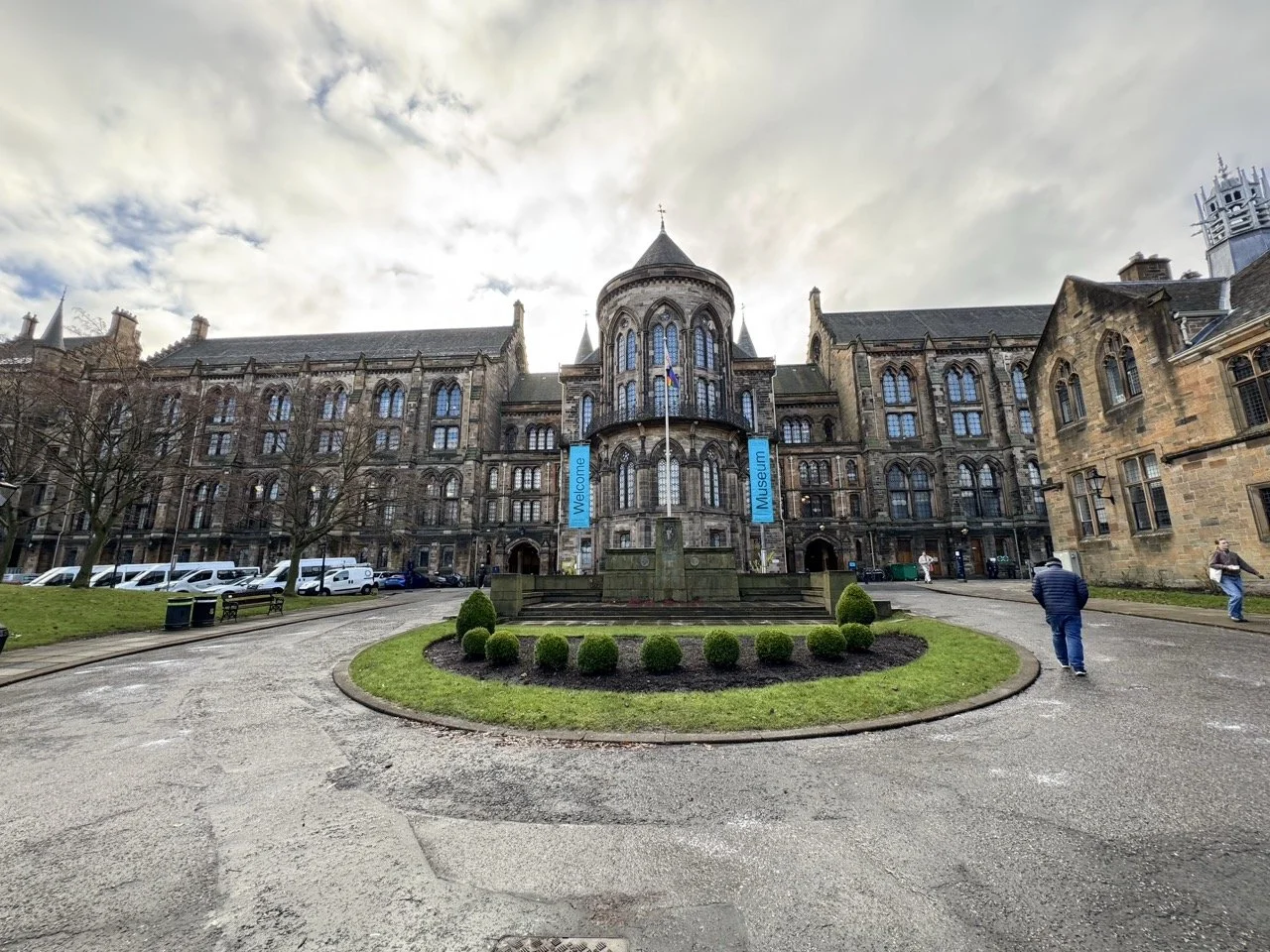
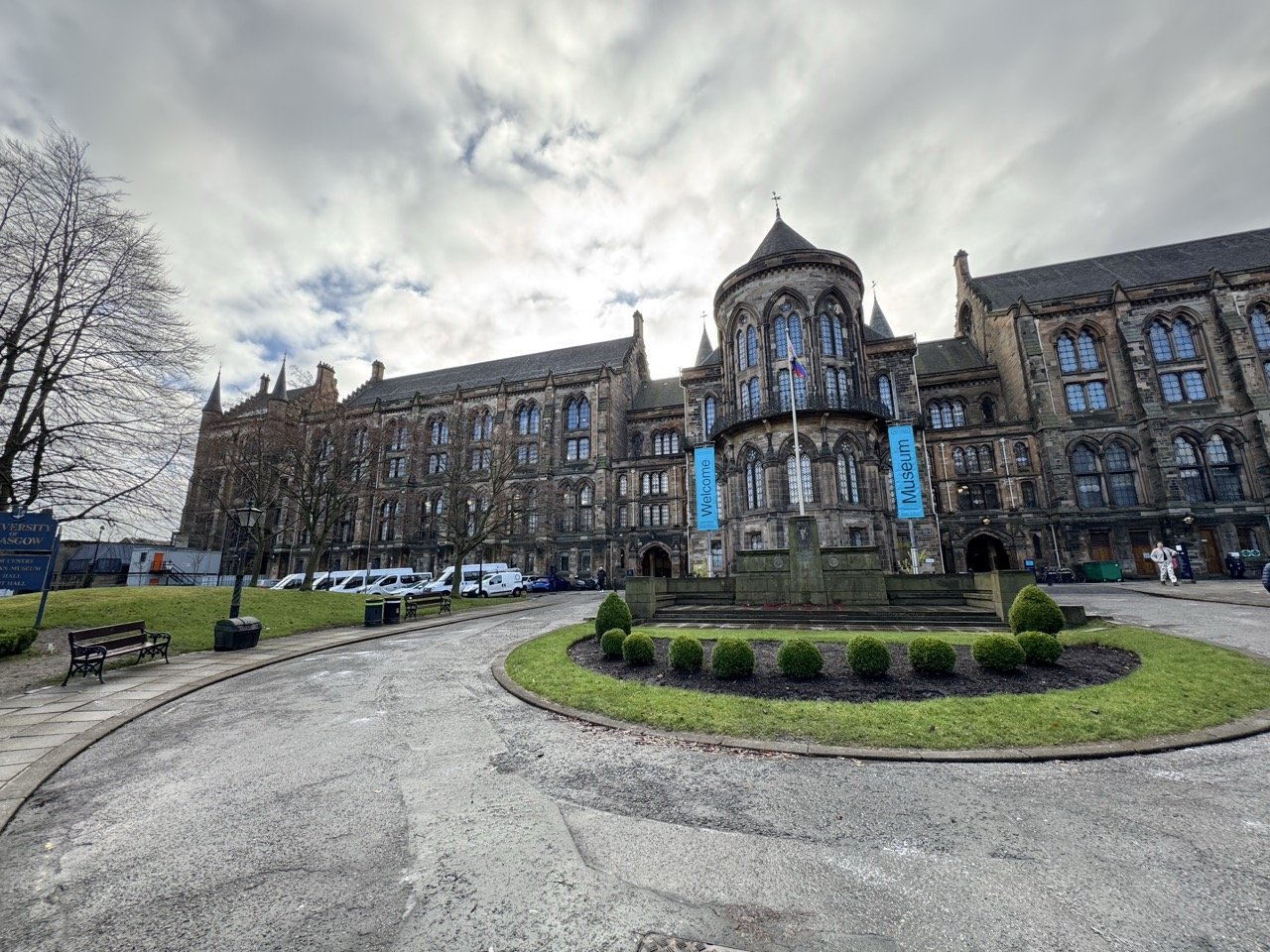
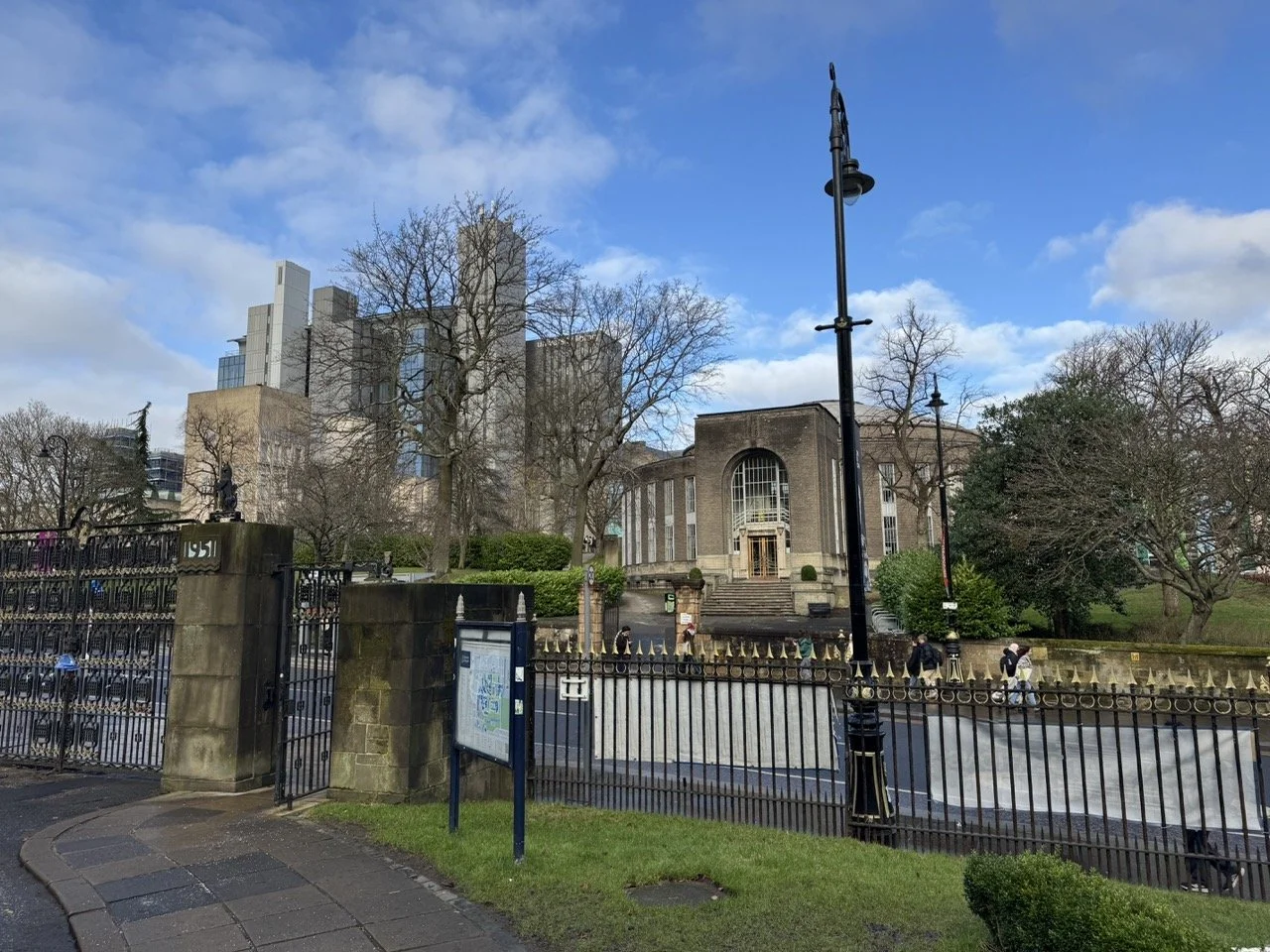
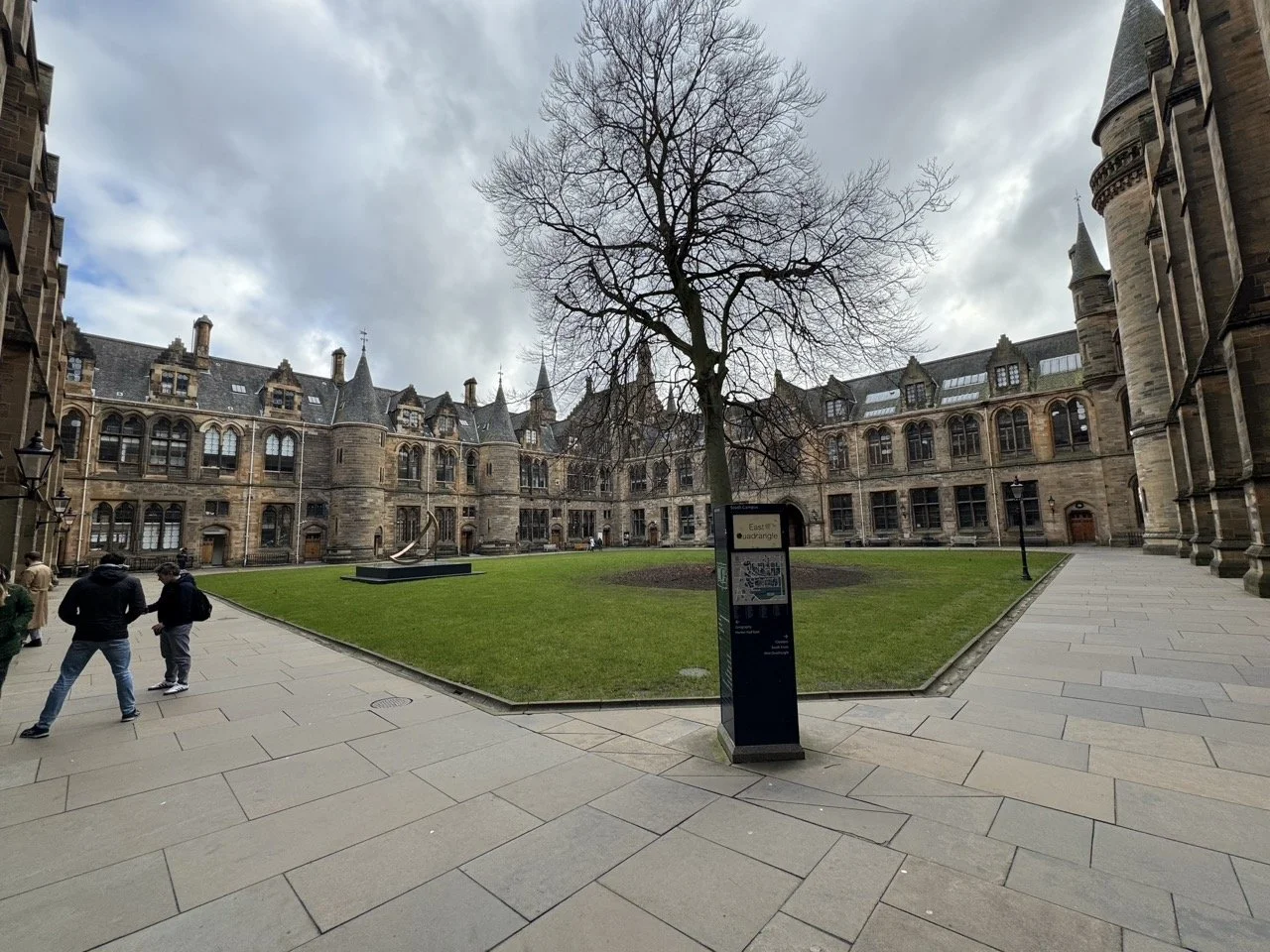
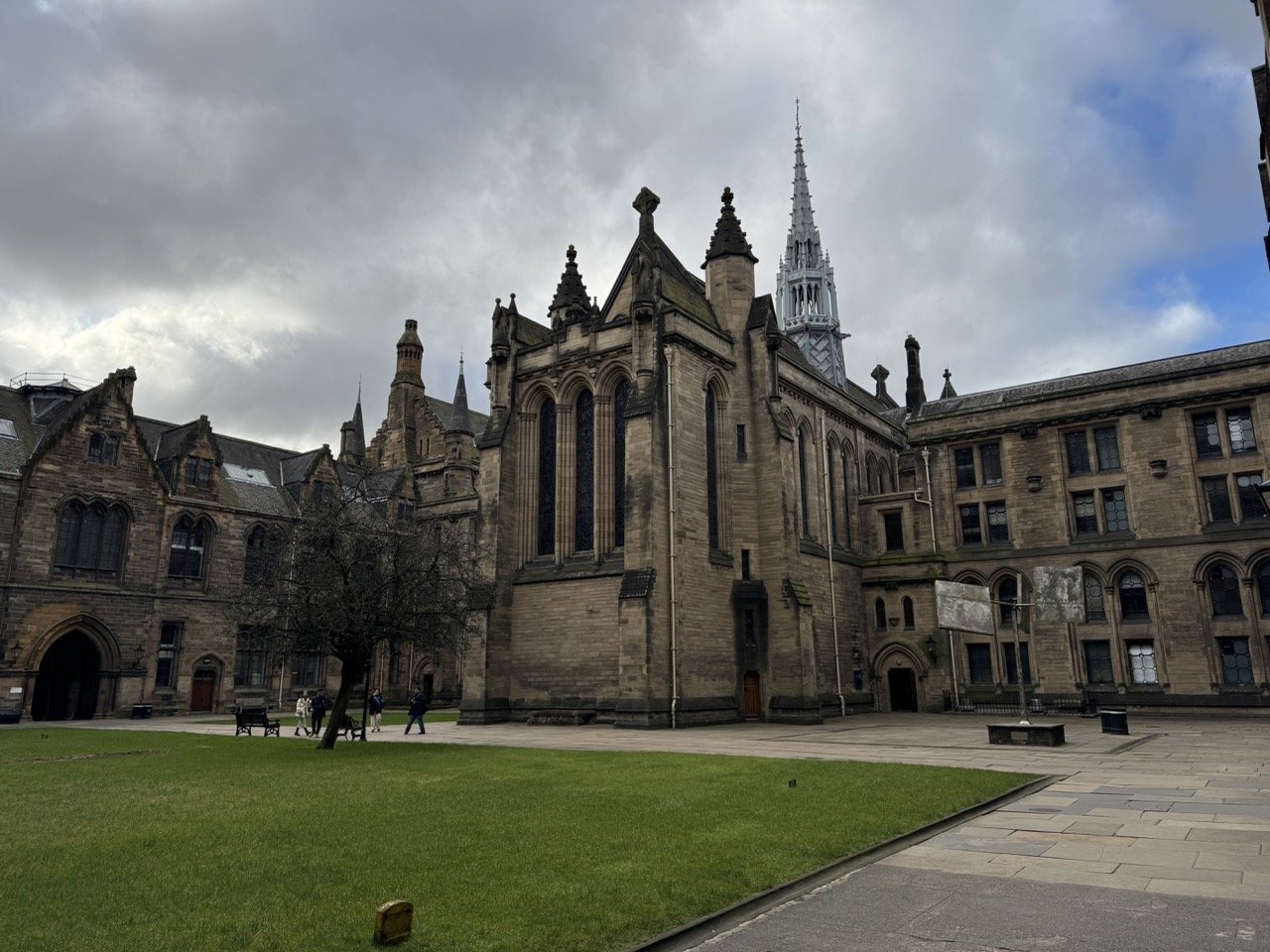
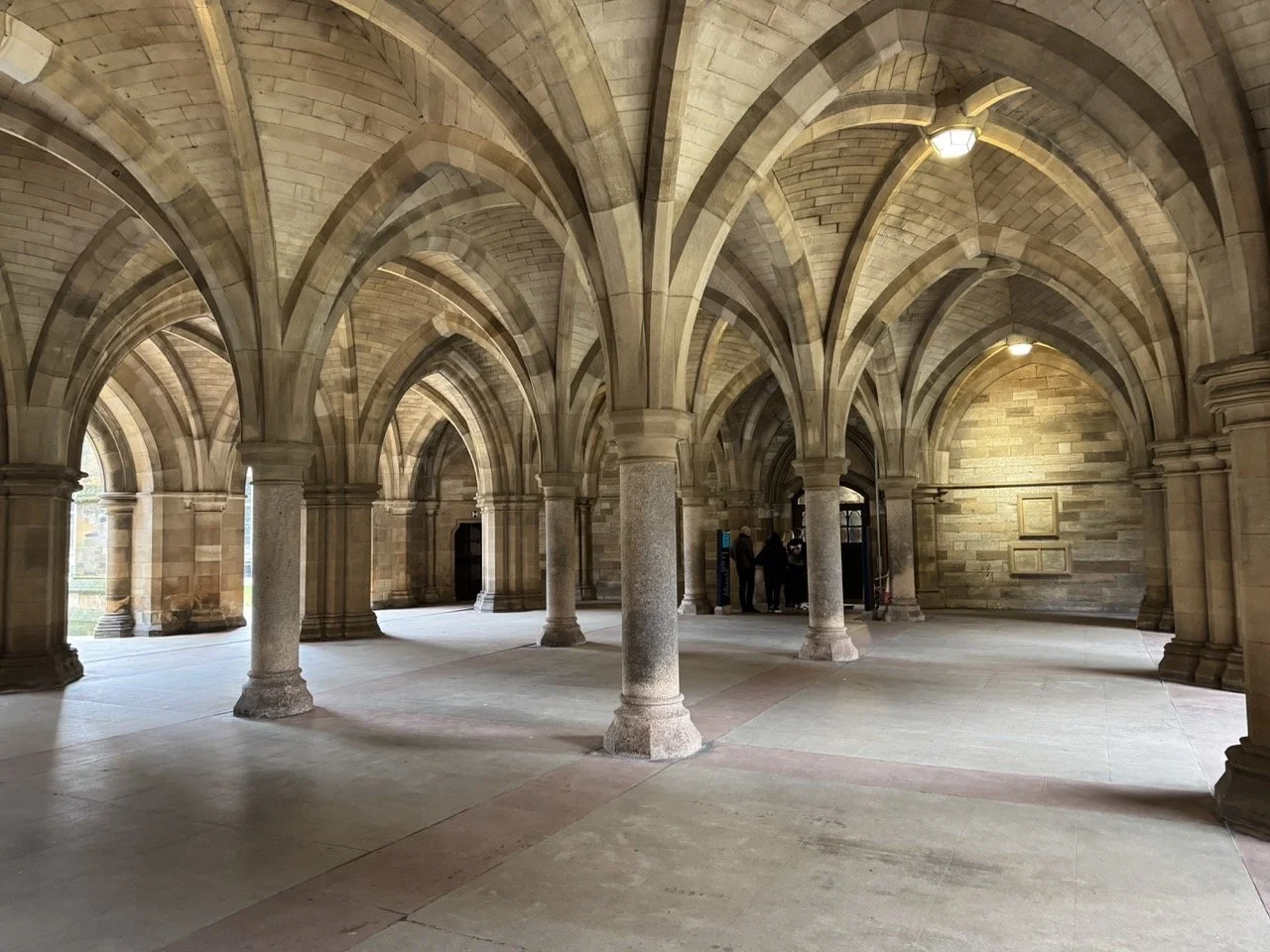
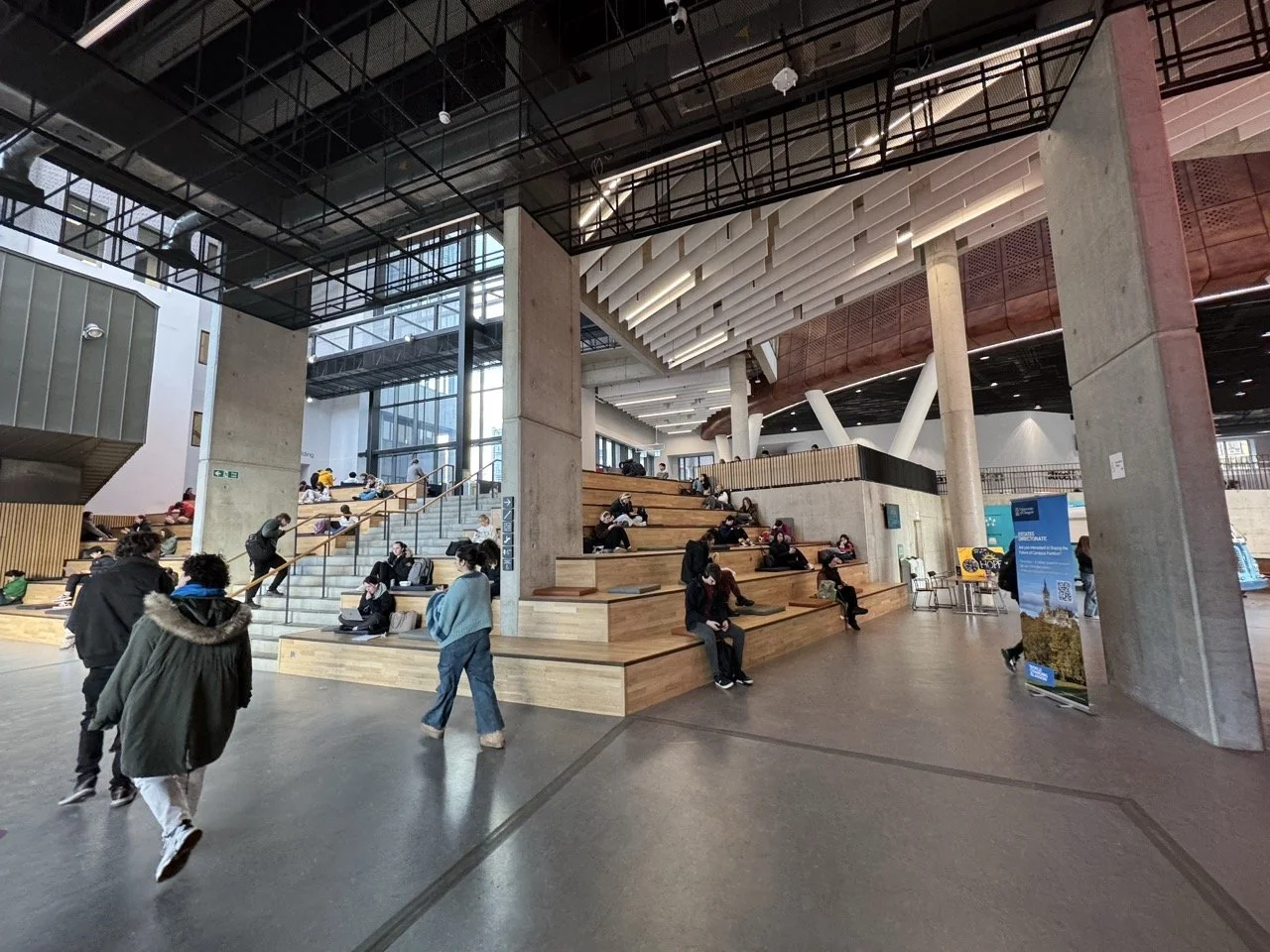
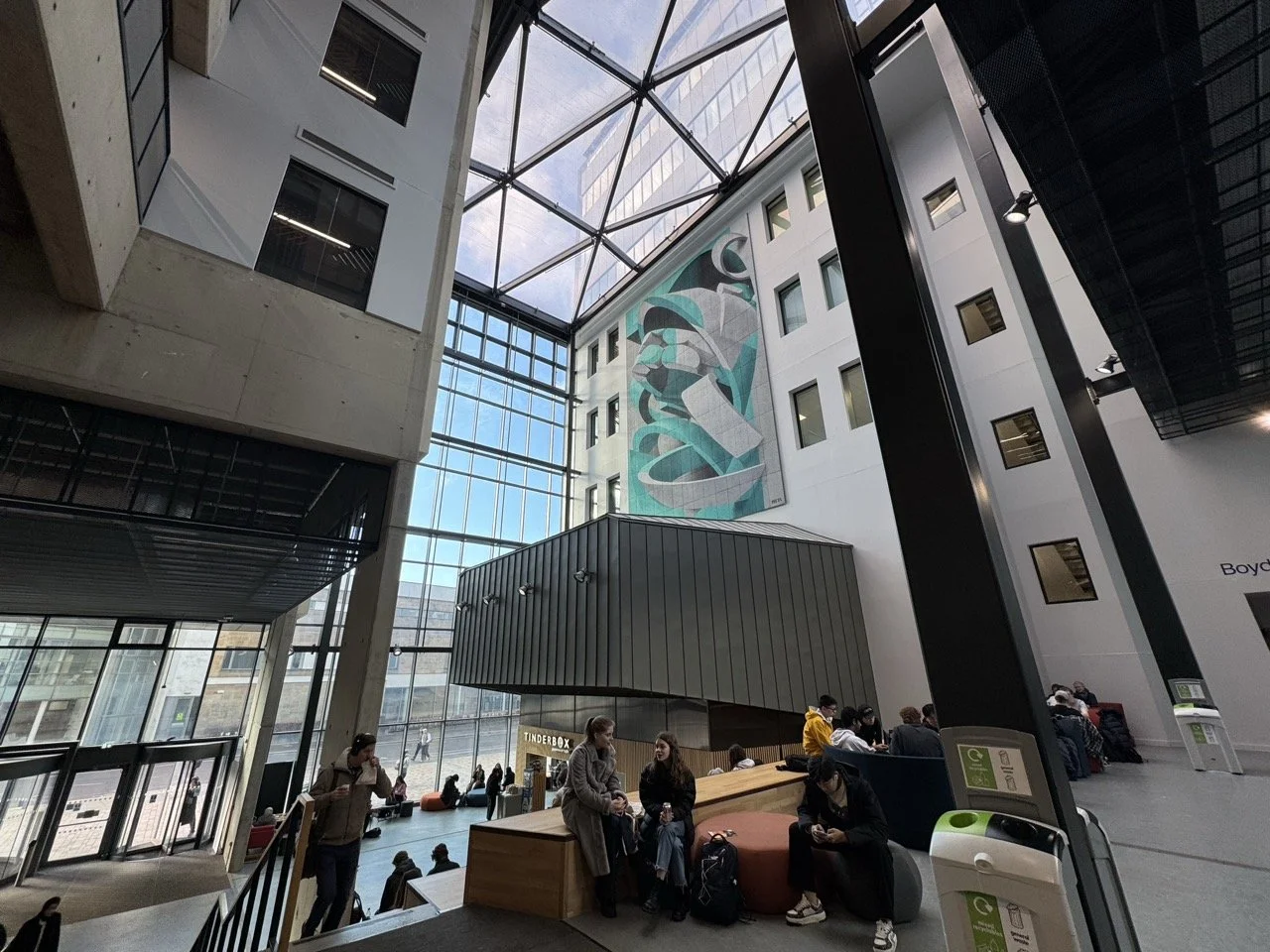
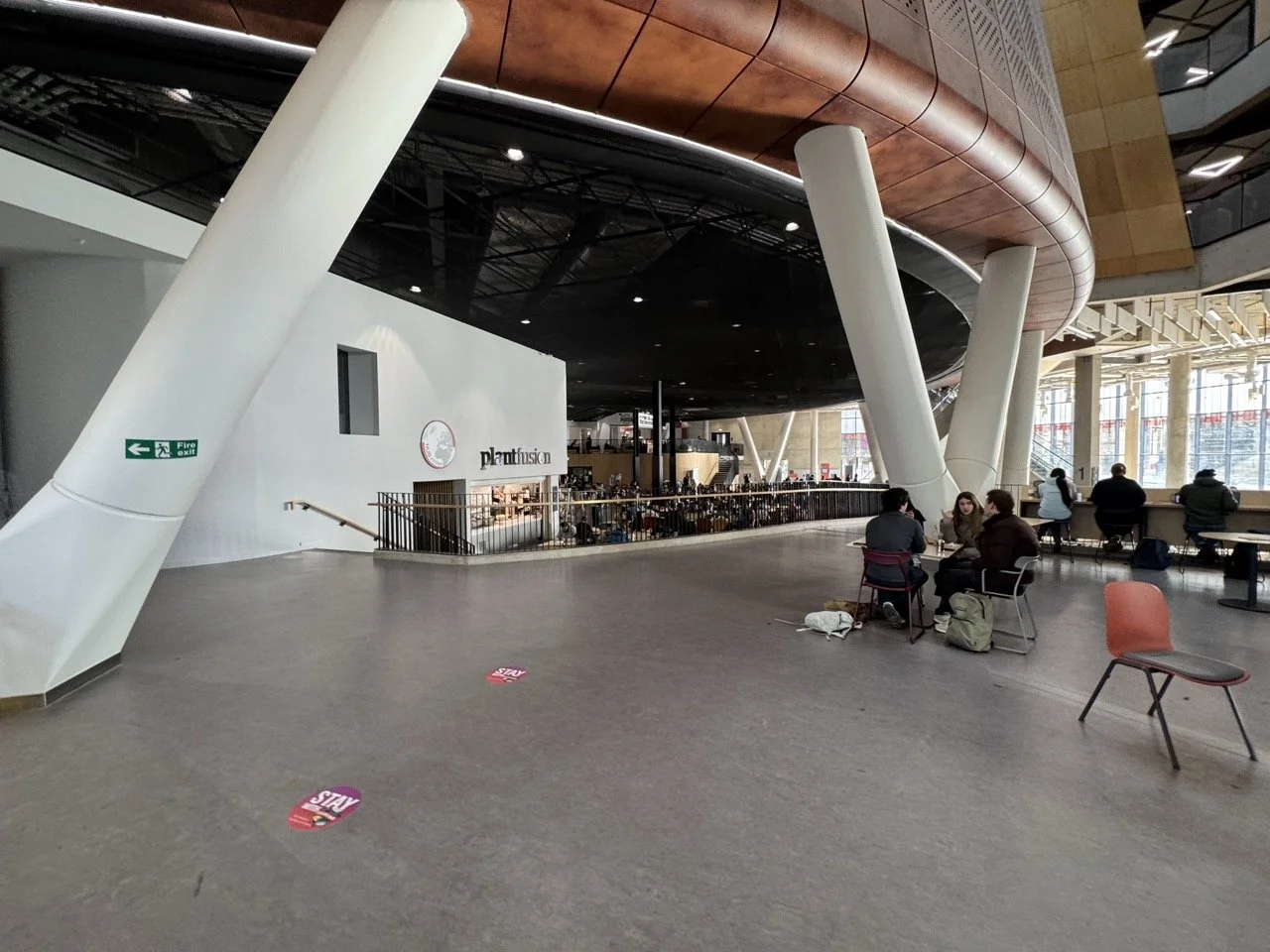
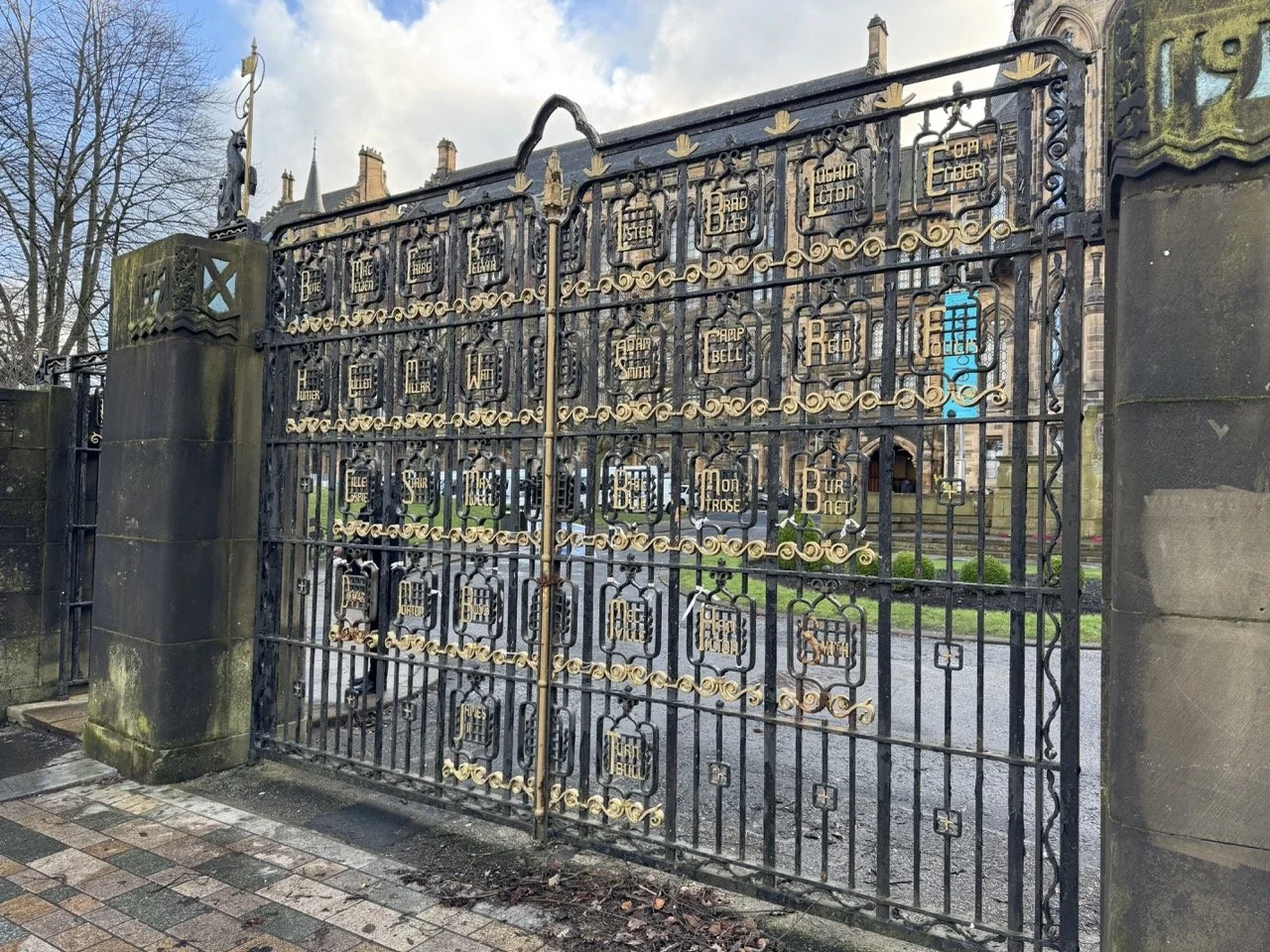
Gilmorehill is the heart: imposing Gothic and Victorian architecture melded with modern labs, libraries, and student spaces. The campus feels integrated with the city, and students spill into neighborhoods, cafés, streets, and nightlife.
Scotland also gives you nature on demand: weekend trips into the Highlands, lakes, lochs, and mountain trails are not far away. For those craving both city life and wilderness, Glasgow is a sweet middle ground.
Admissions & Who Glasgow Seeks
While the University of Glasgow is a large institution with broad offerings, the admissions criteria emphasize both academic strength and genuine interest.
What Glasgow looks for in applicants (especially from abroad):
Strong academic record in high school (transcripts, rigor)
Evidence of mastery or passion in chosen subjects
International students often need supporting credentials (standardized exam scores, English proficiency)
Demonstrated interest: personal statements, essays, extracurricular depth
Some programs, especially medicine, engineering, or clinical fields, may have additional requirements
Because Glasgow is a research university, many departments also expect students who are comfortable with independent thinking, curiosity, and engagement beyond just coursework.
Academics, Structure & Programs
Curriculum & Learning Style
Glasgow operates within the U.K. model: students typically focus early on a defined major (or “degree program”) rather than broad liberal arts breadth in every field. But within that, there are opportunities for electives, minors, joint honors, and interdisciplinary options.
Courses tend to include lectures, seminars, labs, tutorials, and independent study. Many departments emphasize research, project work, and assessment beyond just exams (essays, group work, presentations).
Because it’s a large research university, students will often get access to cutting-edge labs, research centers, and faculty-driven projects. The university prides itself on blending teaching and research.
Colleges & Major Offerings
Glasgow has four general colleges, each with clusters of schools and programs:
College of Arts & Humanities
College of Medical, Veterinary & Life Sciences
College of Science & Engineering
College of Social Sciences (includes business, economics, etc.)
You’ll find “single honors,” “joint honors,” and “major/minor” structures depending on the department. Some programs (especially in the medical/clinical tracks) have more rigid requirements.
Graduate & postgraduate offerings are robust, with taught master’s, research degrees, and doctoral programs.
Housing, Student Life & Culture
Housing & Residences
Glasgow maintains a variety of halls of residence across and around campus. Some halls are in the immediate West End, while others are in nearby neighborhoods or student villages. The university often guarantees housing in the first year (depending on application timing) and provides support through the student services office.
Halls vary from older traditional buildings to newer modern flats, with shared kitchens, living areas, and study spaces.
Student Organizations & Campus Culture
Two independent student unions (originally male and female unions, now both coed) exist, along with a Students’ Representative Council and sports association.
Strong emphasis on city life: music venues, theaters, cafés, festivals, and public art
Glasgow students often speak of a lively balance - late-night study, early-morning gallery trips, and weekend escapes to nature
Support networks: extensive student services, welfare, financial aid offices, counseling, and academic support
Cost, Tuition & Financial Logistics (for American Families)
Understanding fees as a U.S. family requires translating the British system, exchange rates, and cost of living.
Tuition / Fees for International Students (Undergraduate)
For the academic year 2025/26, Glasgow provides these approximate international (and EU) tuition rates:
Arts & Social Sciences: ~ £26,580 per year
Science, Engineering, Nursing, Life Sciences: ~ £31,800 per year
Clinical / Medicine / MBChB: up to ~ £58,890 per year
To translate: if you assume £1 = about USD 1.25 (this fluctuates), then:
£26,580 ≈ USD $33,000/year
£31,800 ≈ USD $39,750/year
£58,890 ≈ USD $73,600/year
That’s not including housing, food, travel, fees, or incidental costs.
Living Costs & Additional Expenses
Glasgow living expenses (housing, food, travel, books) are lower than major U.S. coastal cities, but not the cheapest.
Students will budget for: local transit, utilities, groceries, entertainment, health insurance, textbooks, and travel to/from home.
Because the city is walkable and public transit is good, many students save by living near campus.
Scotland also has climate considerations - warm clothing, and rain gear are a must.
Financial Aid & Scholarships (for U.S. / International Students)
Glasgow does offer some scholarship opportunities for international students, though they are more limited than what U.S. schools might offer. Applicants should explore:
University-level international scholarships
Departmental awards
External scholarships (Fulbright, private foundations)
Exchange/reciprocal agreements
Student loans (U.S. or international) if available to the family or student
Who Thrives at Glasgow & Final Thoughts
Glasgow isn’t for those looking for a lazy semester abroad. But for students who are:
Ready to immerse themselves in a rigorous, research-driven university setting
Comfortable with academic independence
Interested in blending cultural life, global context, and local flavor
Eager to access Europe and UK networks for internships, travel, and graduate opportunities
The student who would flourish here is the one who isn’t intimidated by needing to self-advocate, who values the intellectual energy of a big university, and wants meaningful relationships. Who’s open to new cultural norms and adventures, and knows that what you do with the experience matters more than just the name on your diploma.