Tour Tuesday: University of Pennsylvania
Ben Franklin’s Playground: Exploration, Opportunity, and Real-World Impact
Overview
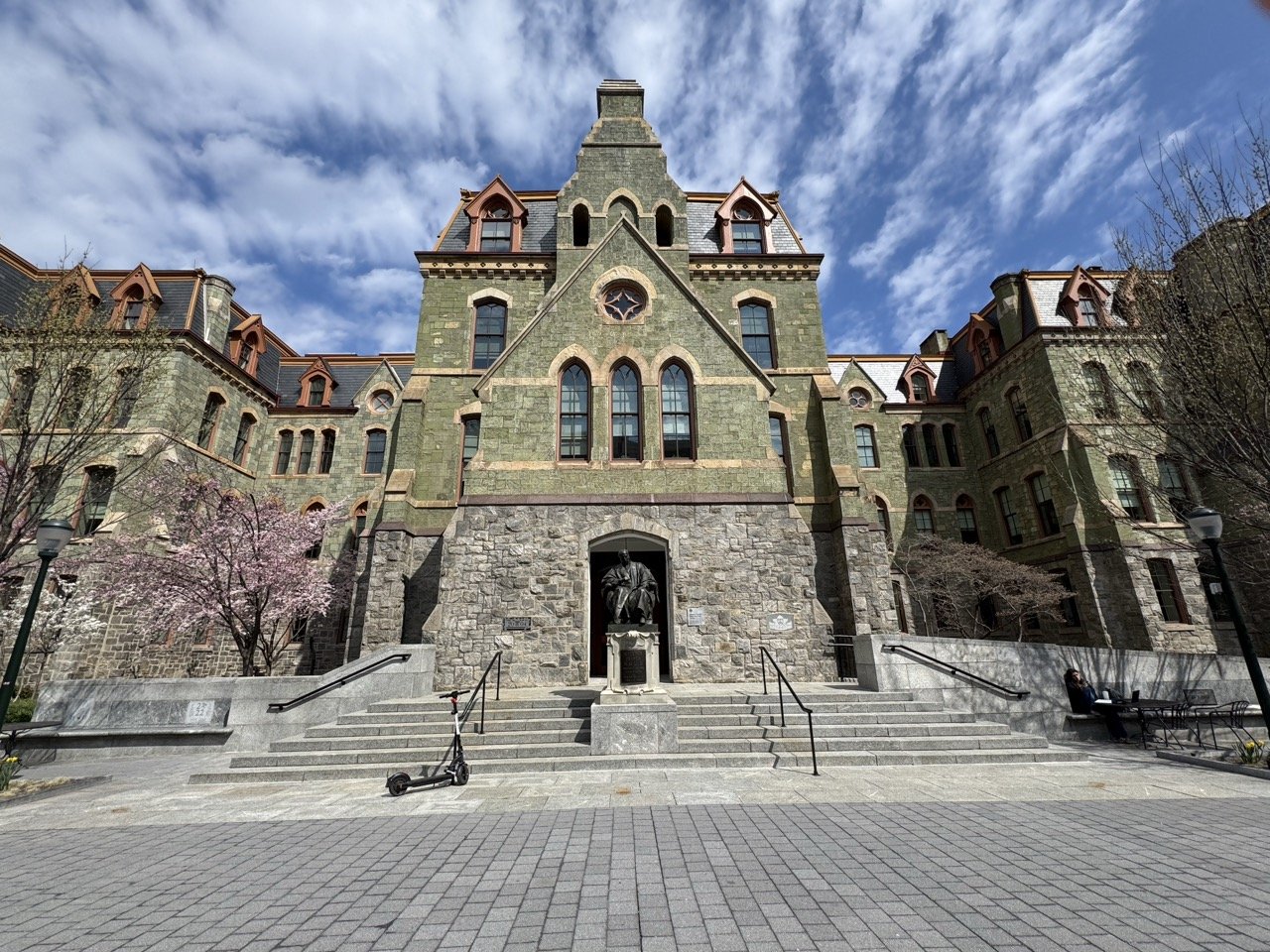
The University of Pennsylvania (Penn) is one of the most unique schools in the country. Not just because it’s an Ivy League, but because of how intentionally it blends liberal arts exploration with real-world application. Founded by Benjamin Franklin, Penn still lives by that mindset: explore broadly, adapt, and build something meaningful. Sitting right in the middle of Philadelphia, Penn feels like both a true campus and a true city experience all at once. With about 10,000 undergraduates across four distinct schools, students are given both structure and flexibility from day one.
Quick Look:
Ivy League university in Philadelphia, PA
~10,000 undergraduate students (~15,000 grad students)
4 undergraduate schools (Arts & Sciences, Engineering, Nursing, Wharton)
Urban campus with defined core (no satellite campuses)
Strong liberal arts + pre-professional balance
Research opportunities starting freshman year
NCAA Division I athletics (Ivy League)
Location
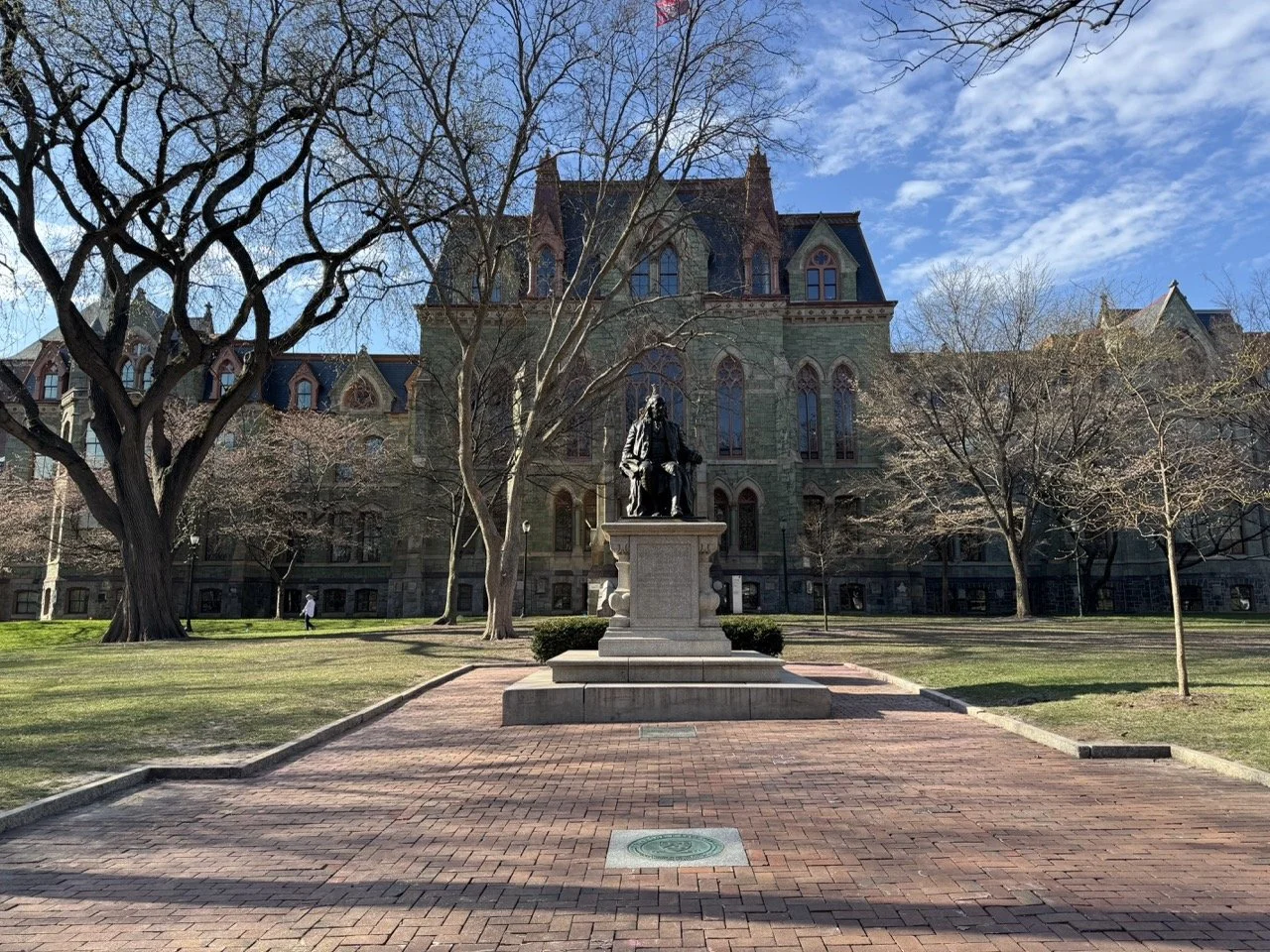
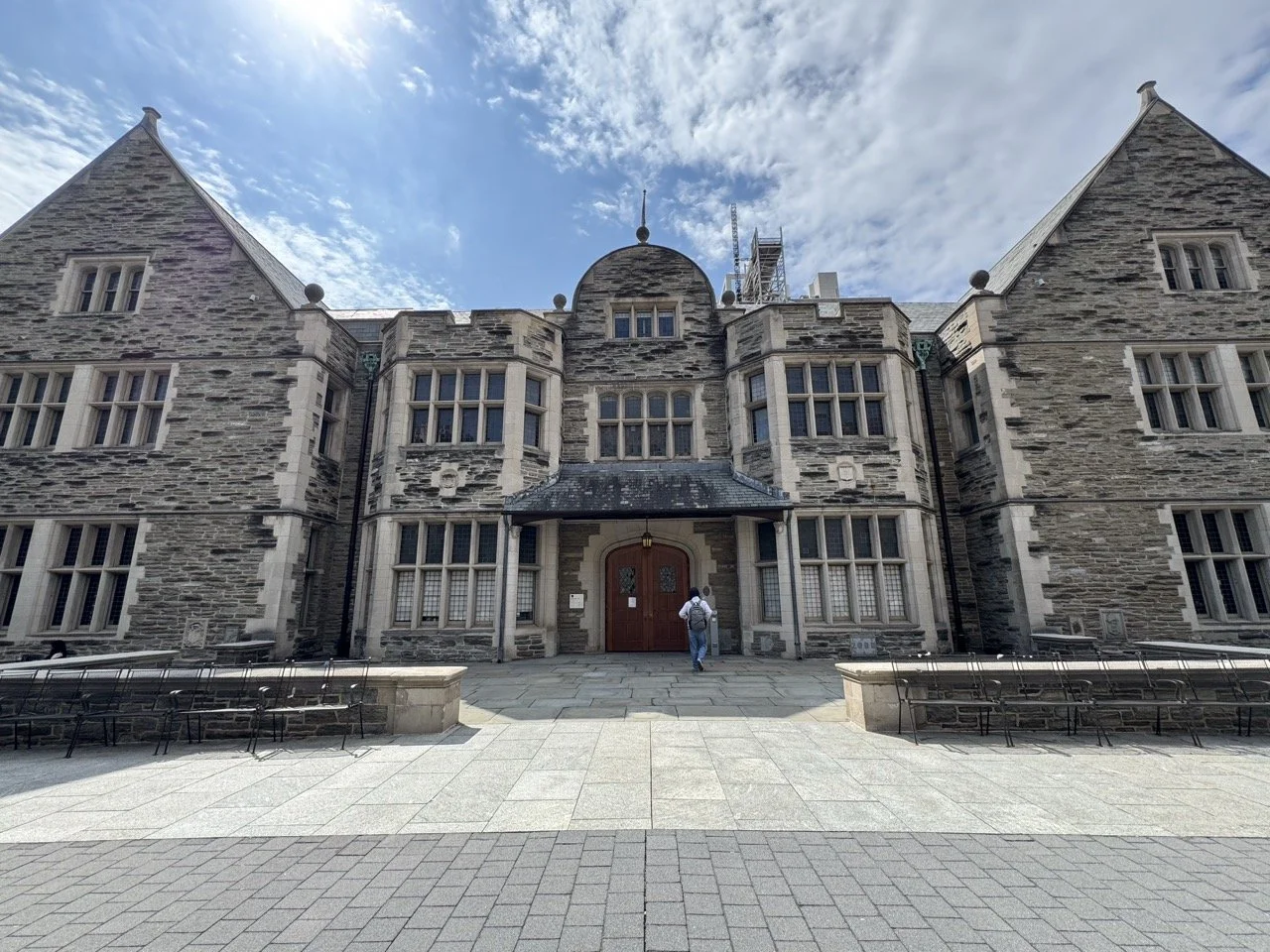
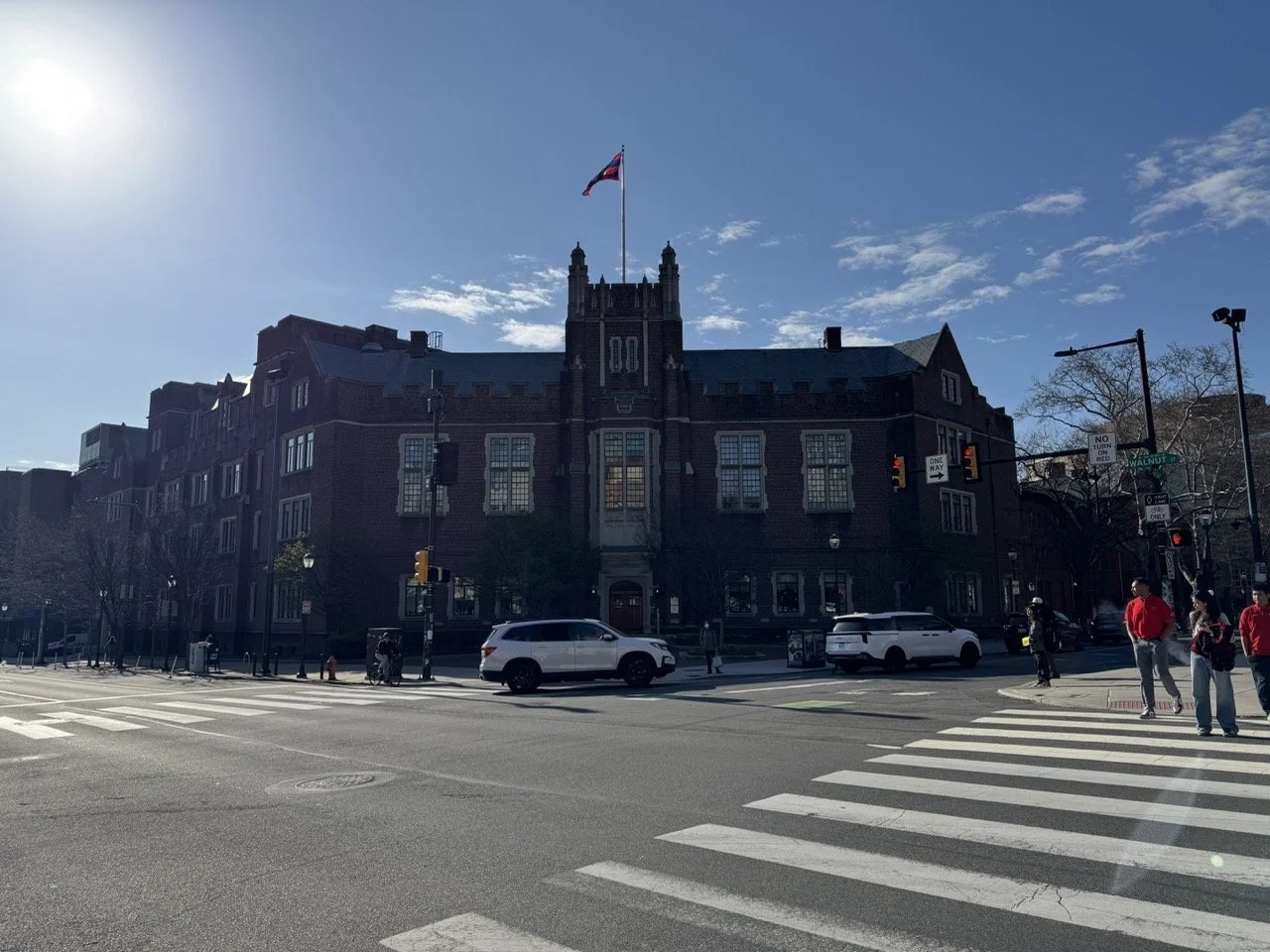
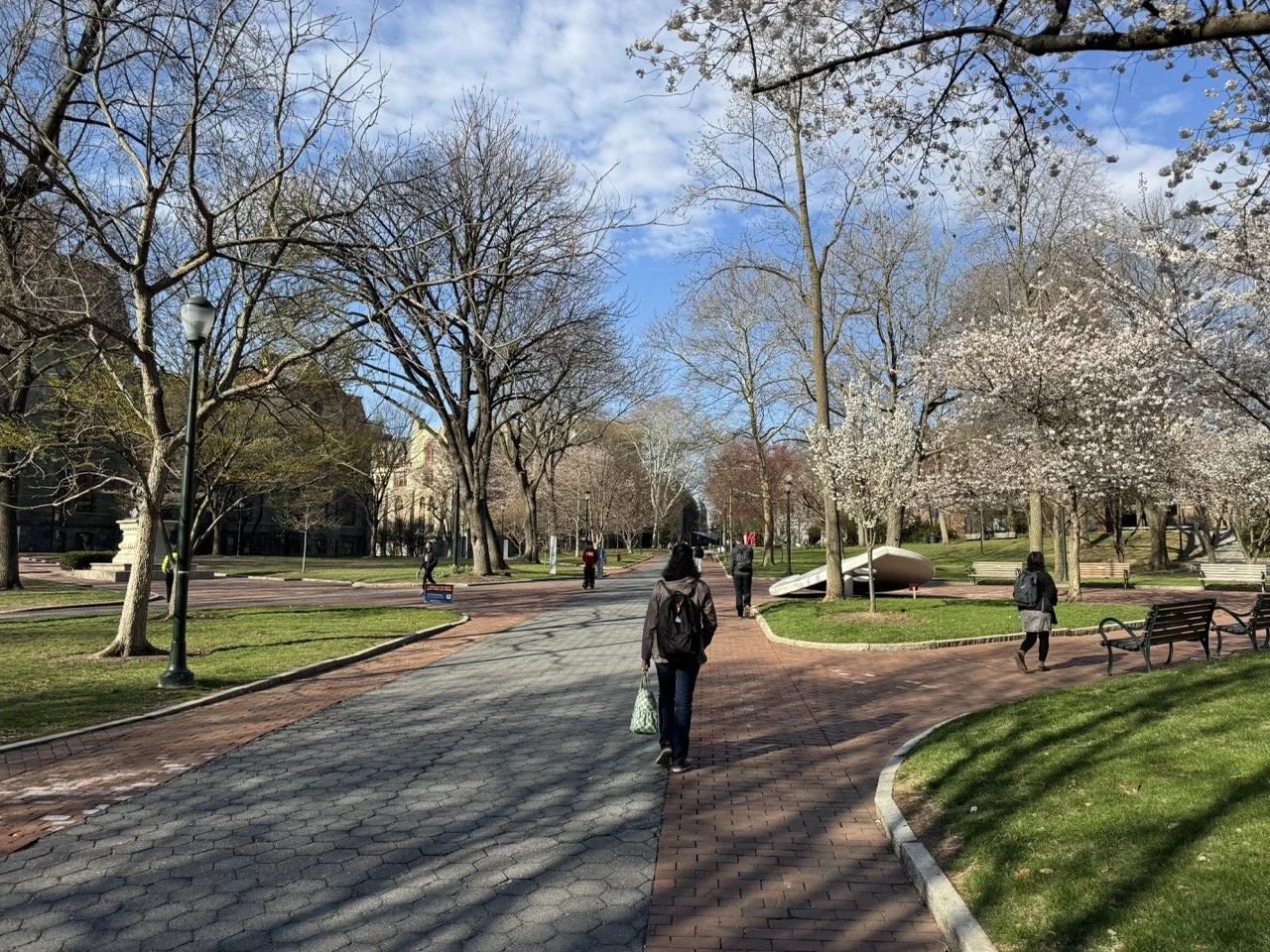
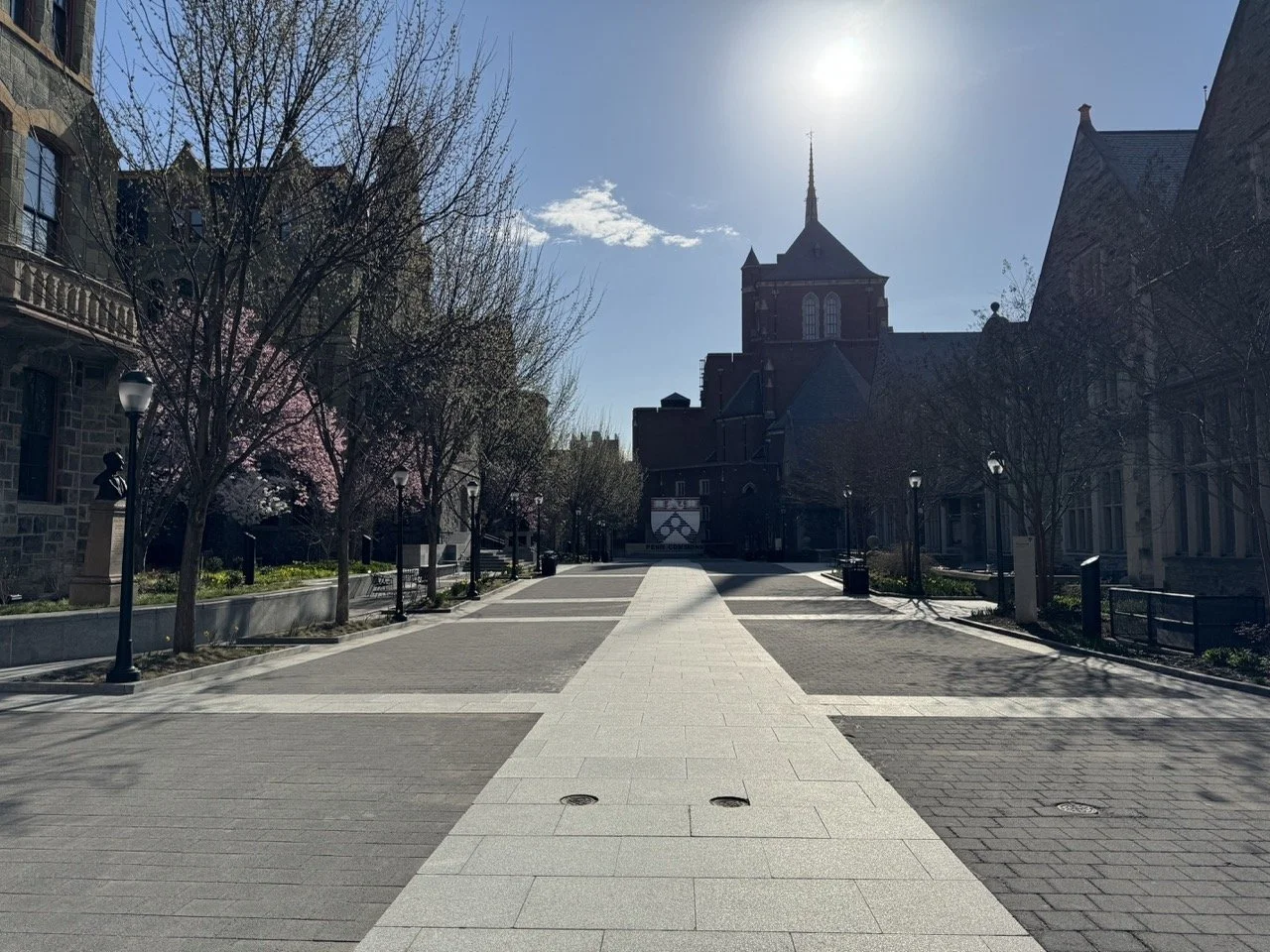
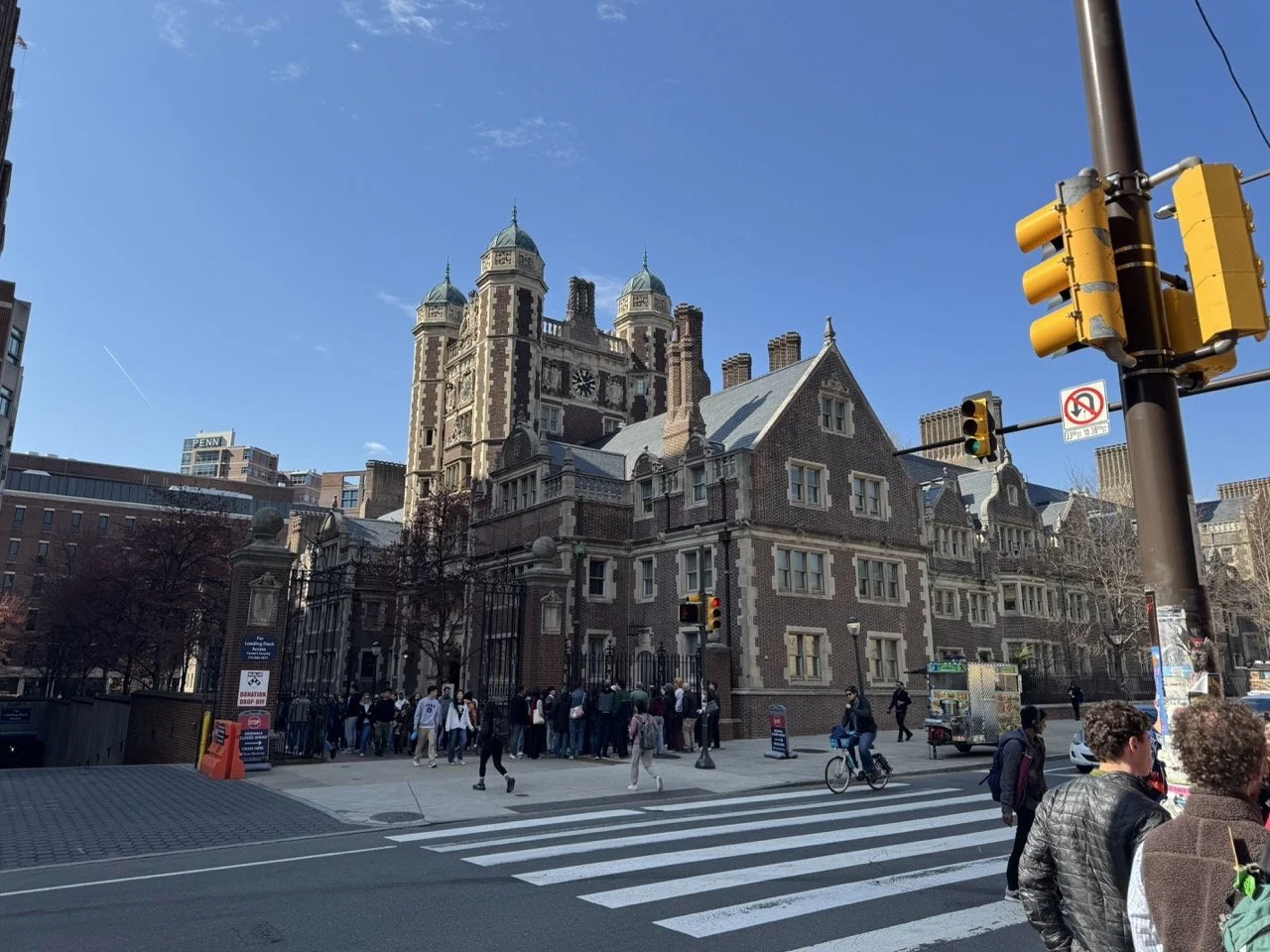
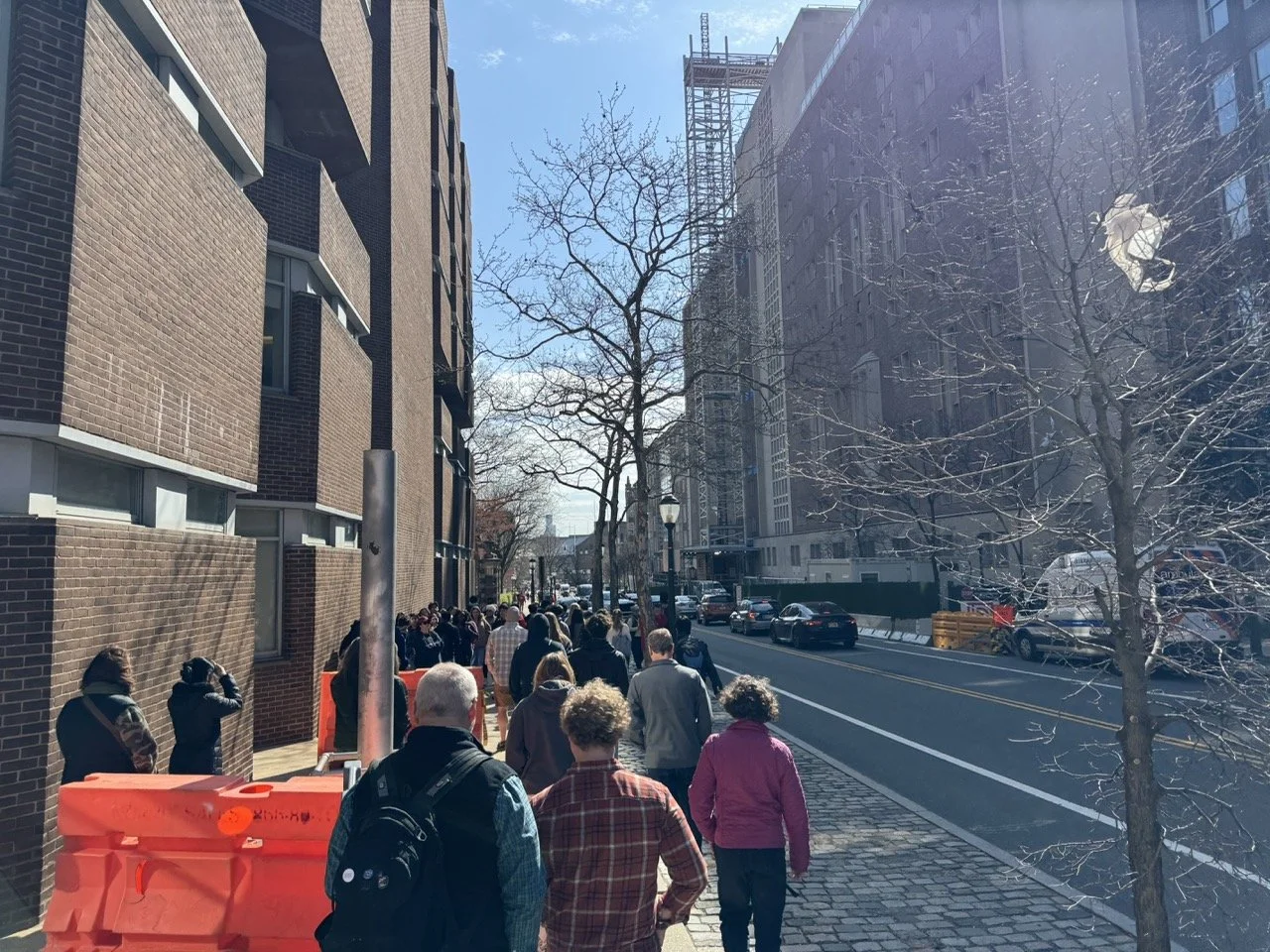
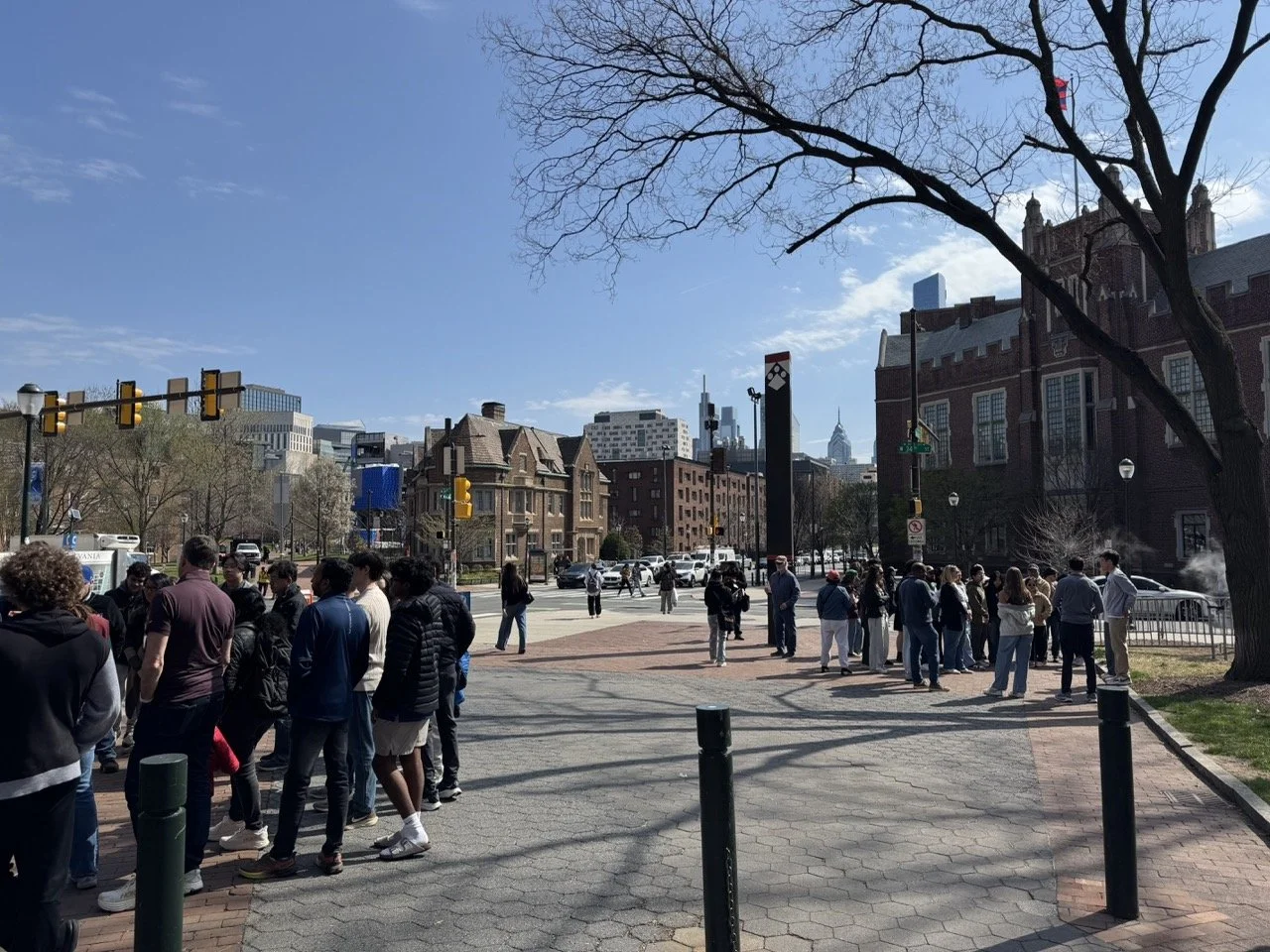
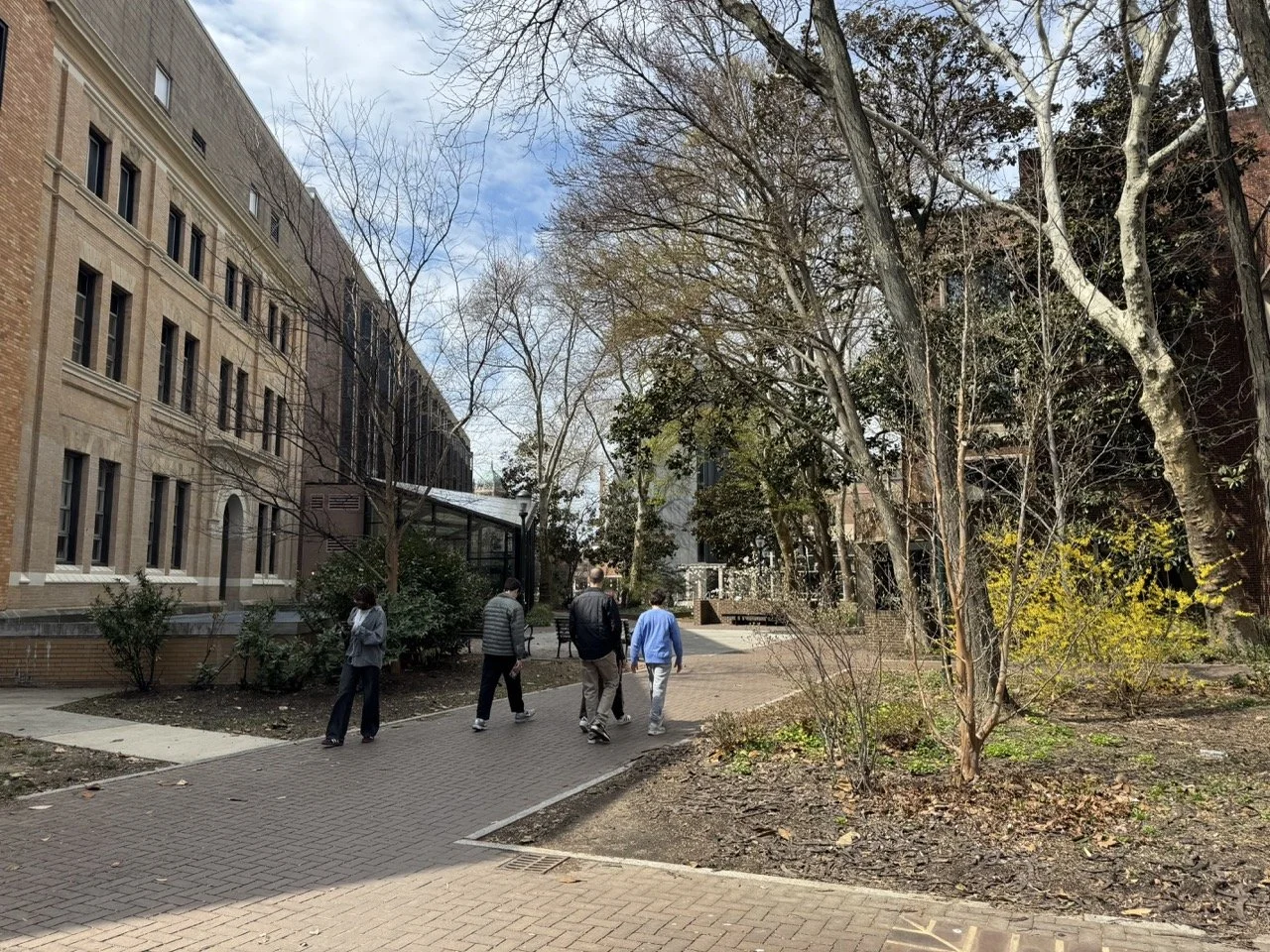
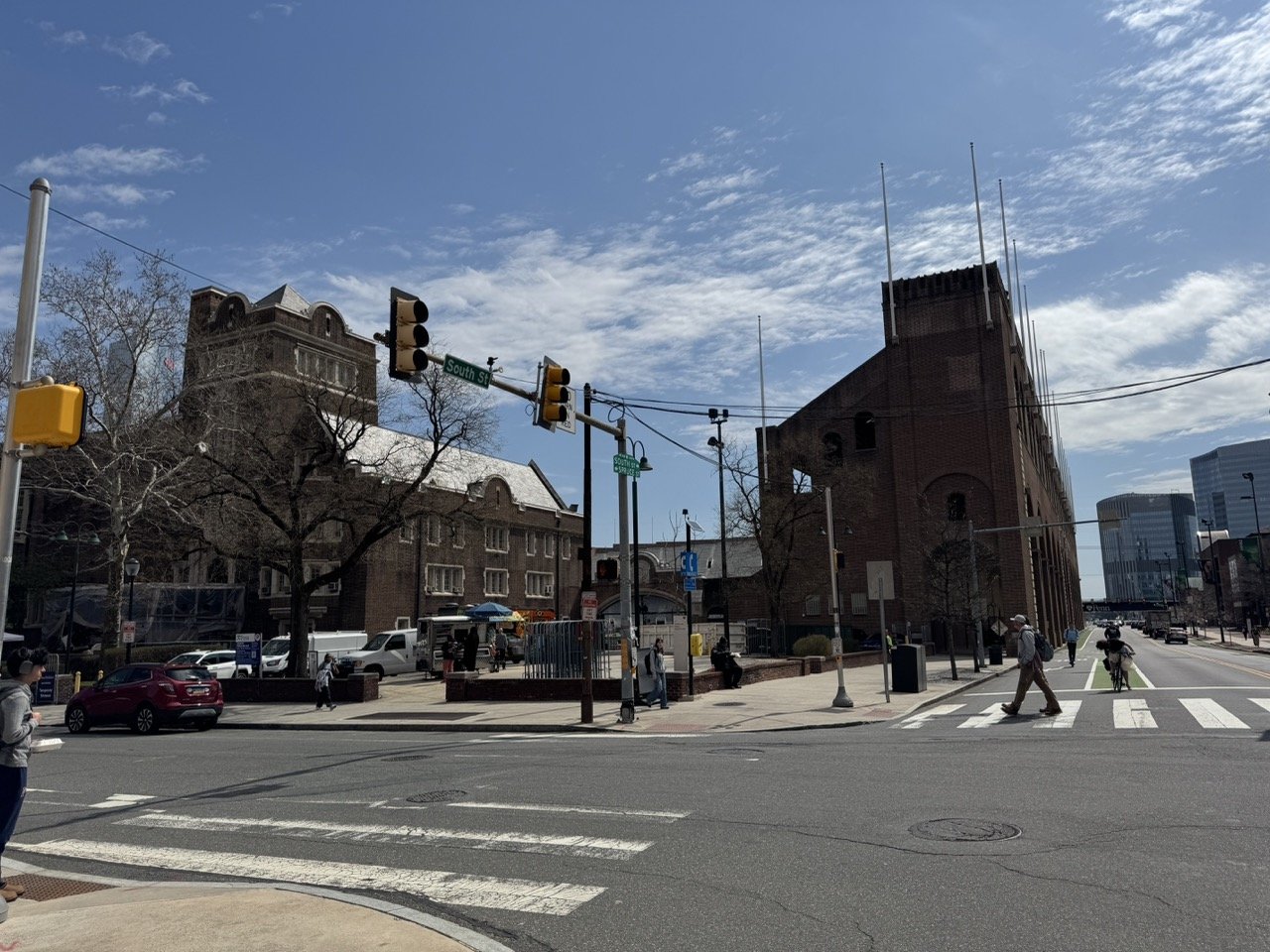
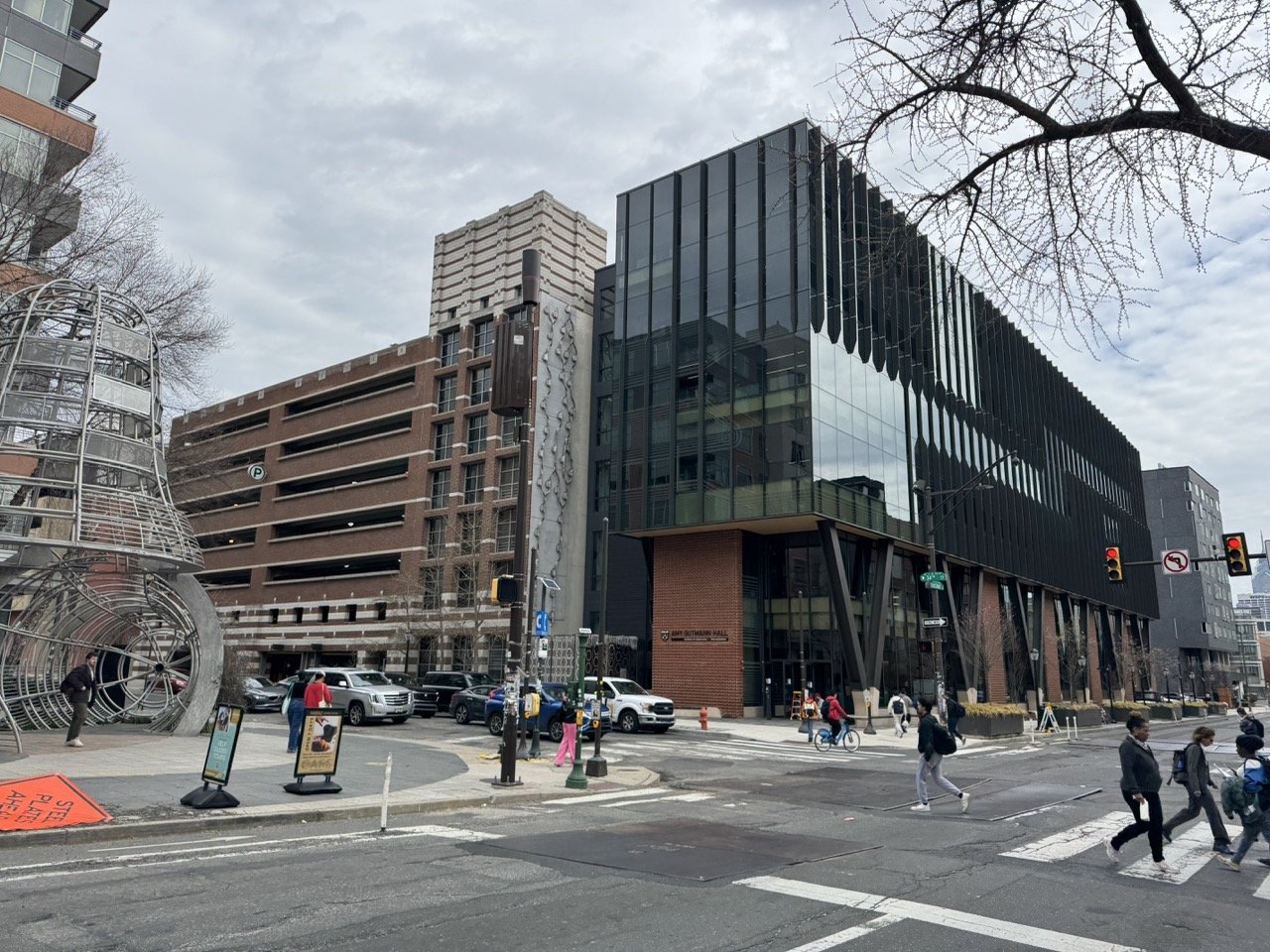
Penn’s campus is truly woven into the city of Philadelphia. You don’t “enter” campus in the traditional sense - you just cross the street and suddenly you’re in it. Despite that, the central quad and core campus give it a real collegiate feel.
Location Highlights:
Located in West Philadelphia, directly integrated into the city
Campus sits in one centralized core - no satellite campuses
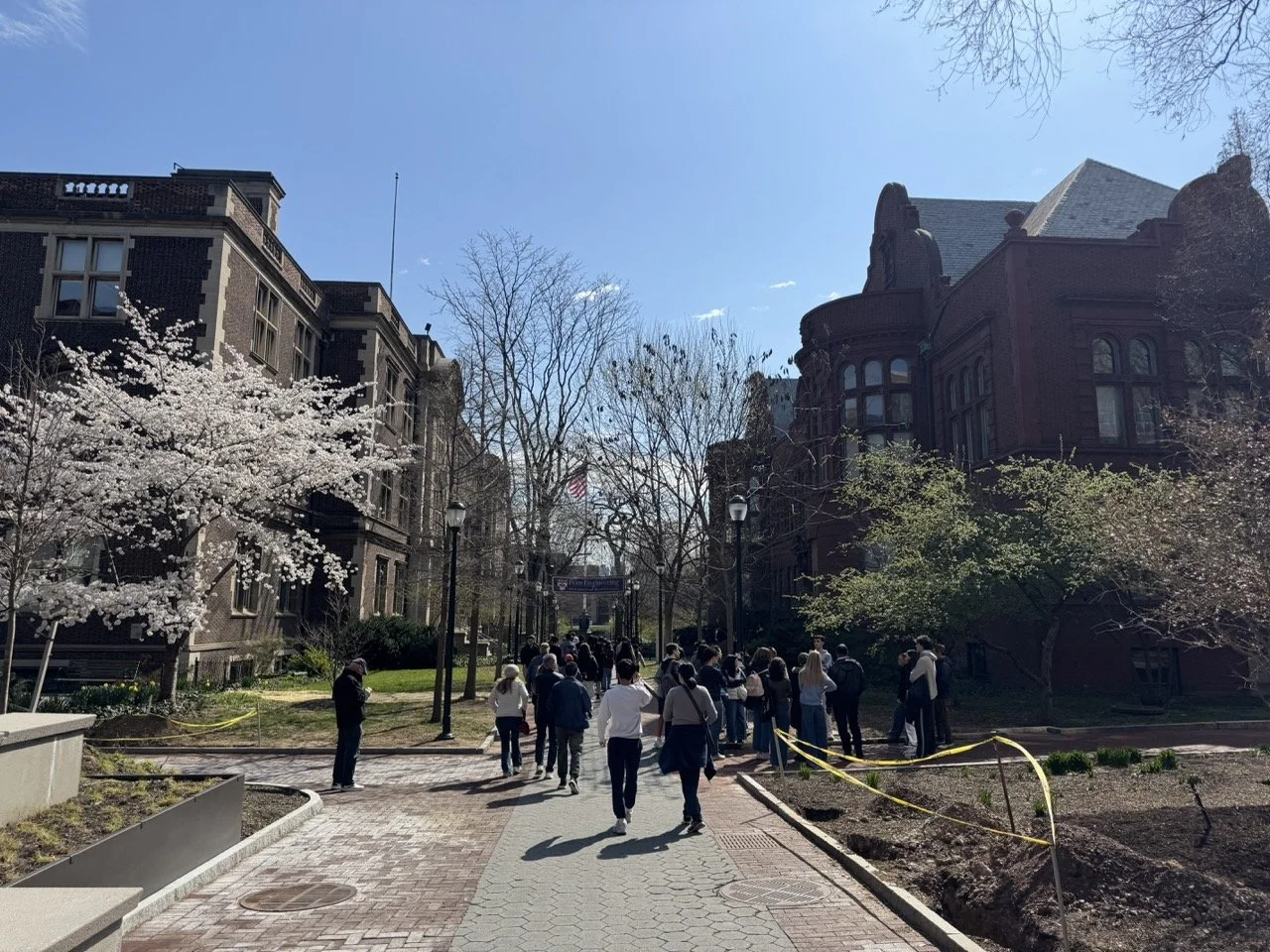
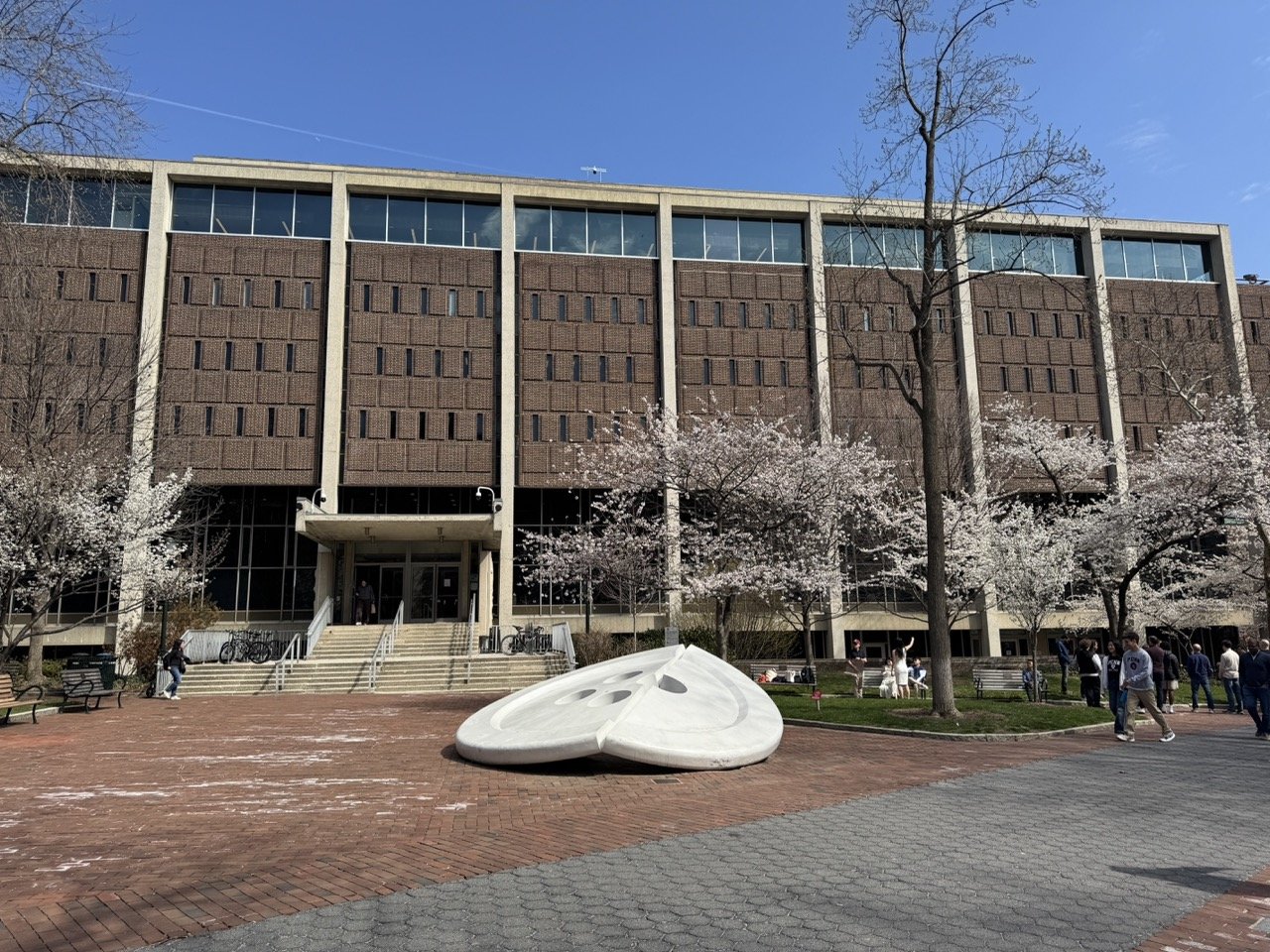
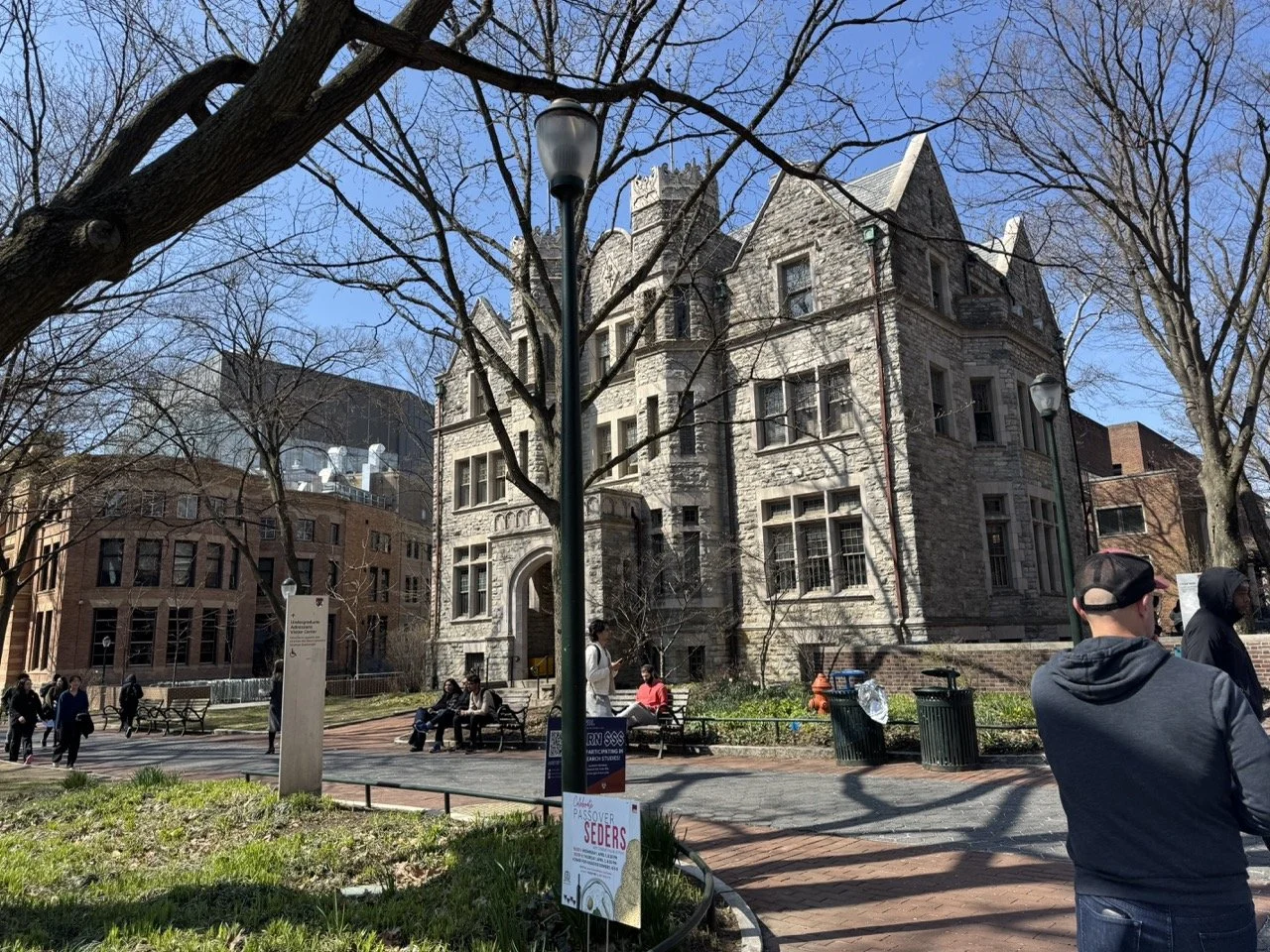
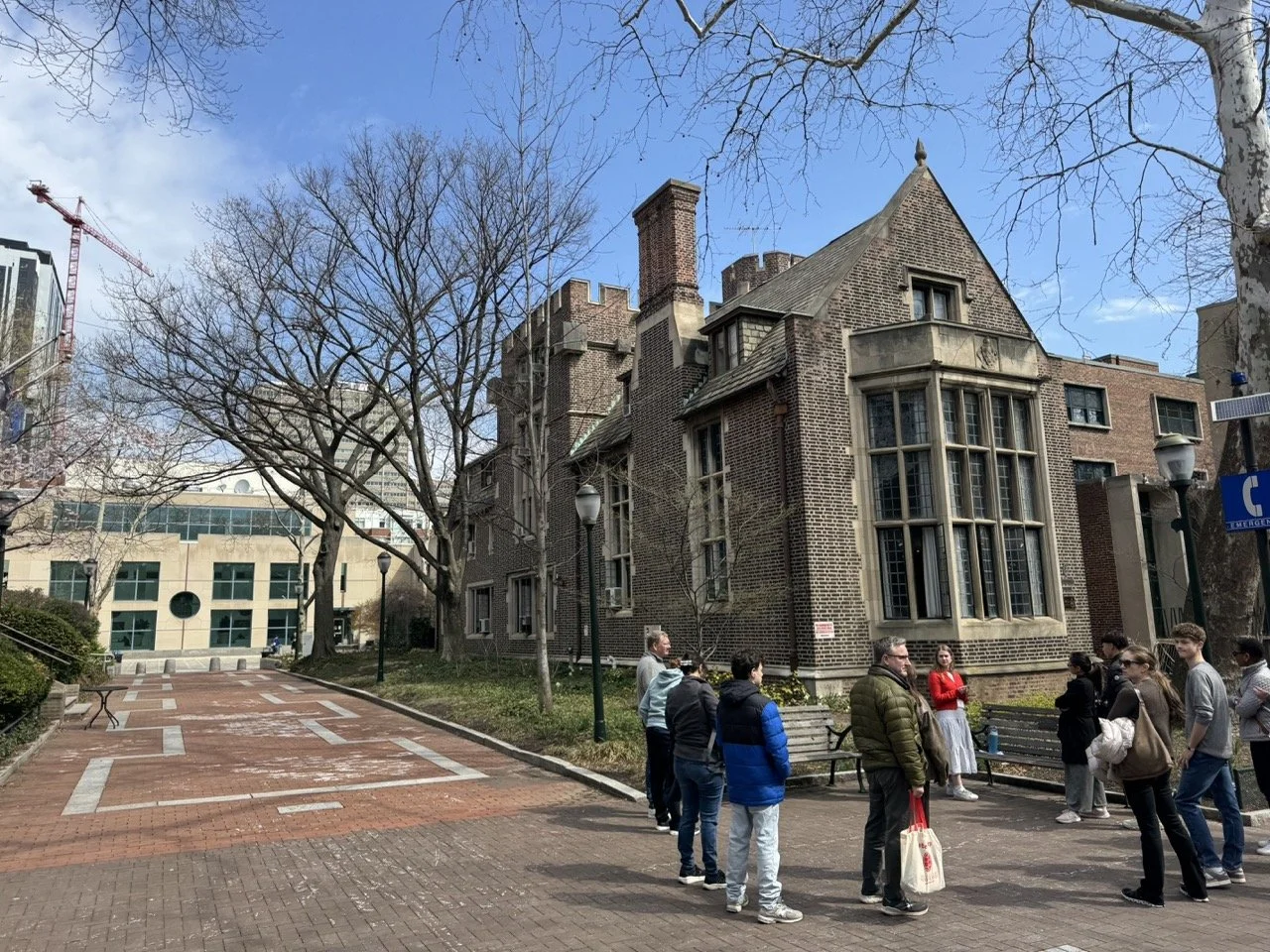
Feels like a campus within a city (especially around the main quad)
Walkable access to restaurants, internships, and city life
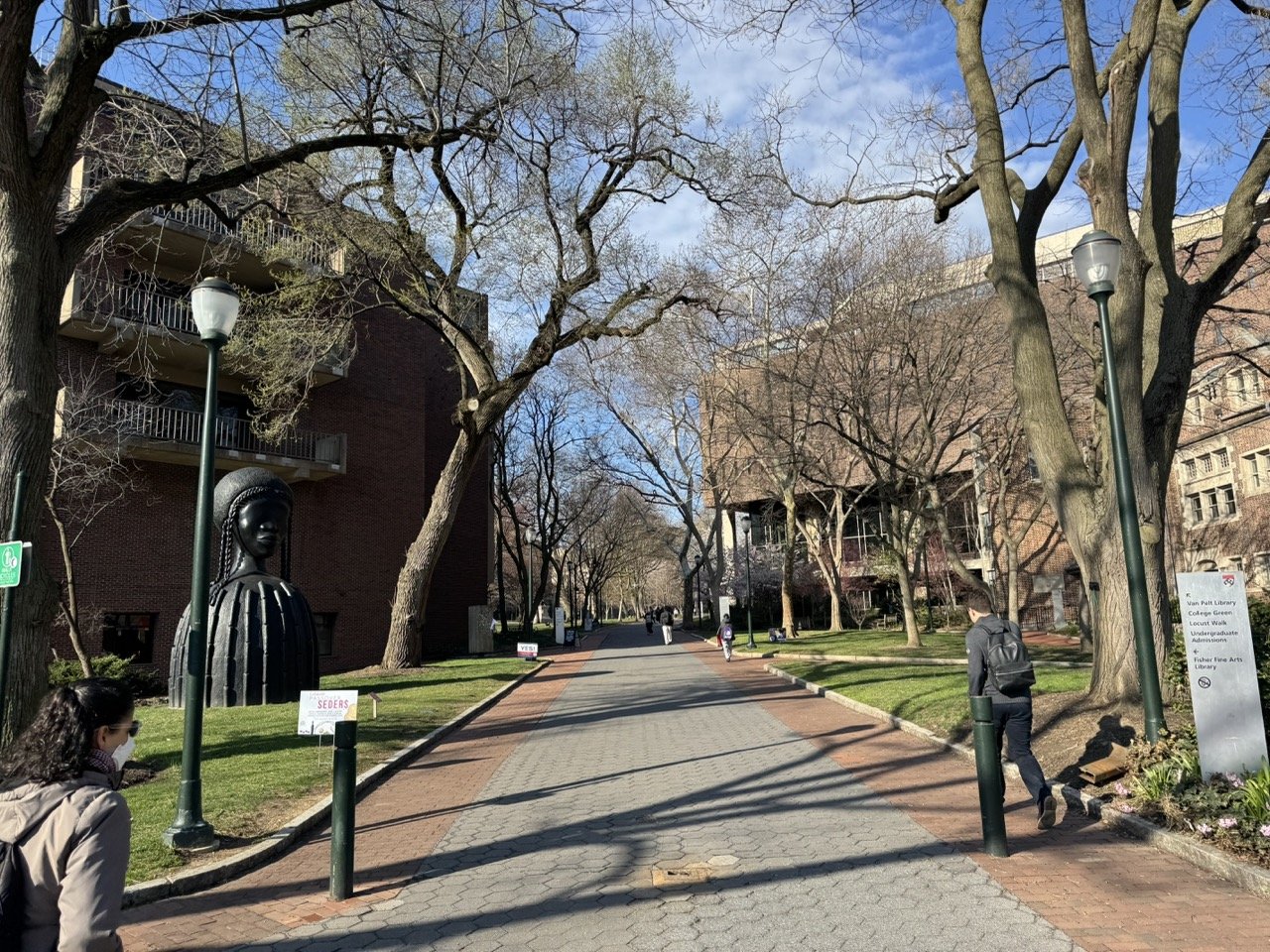
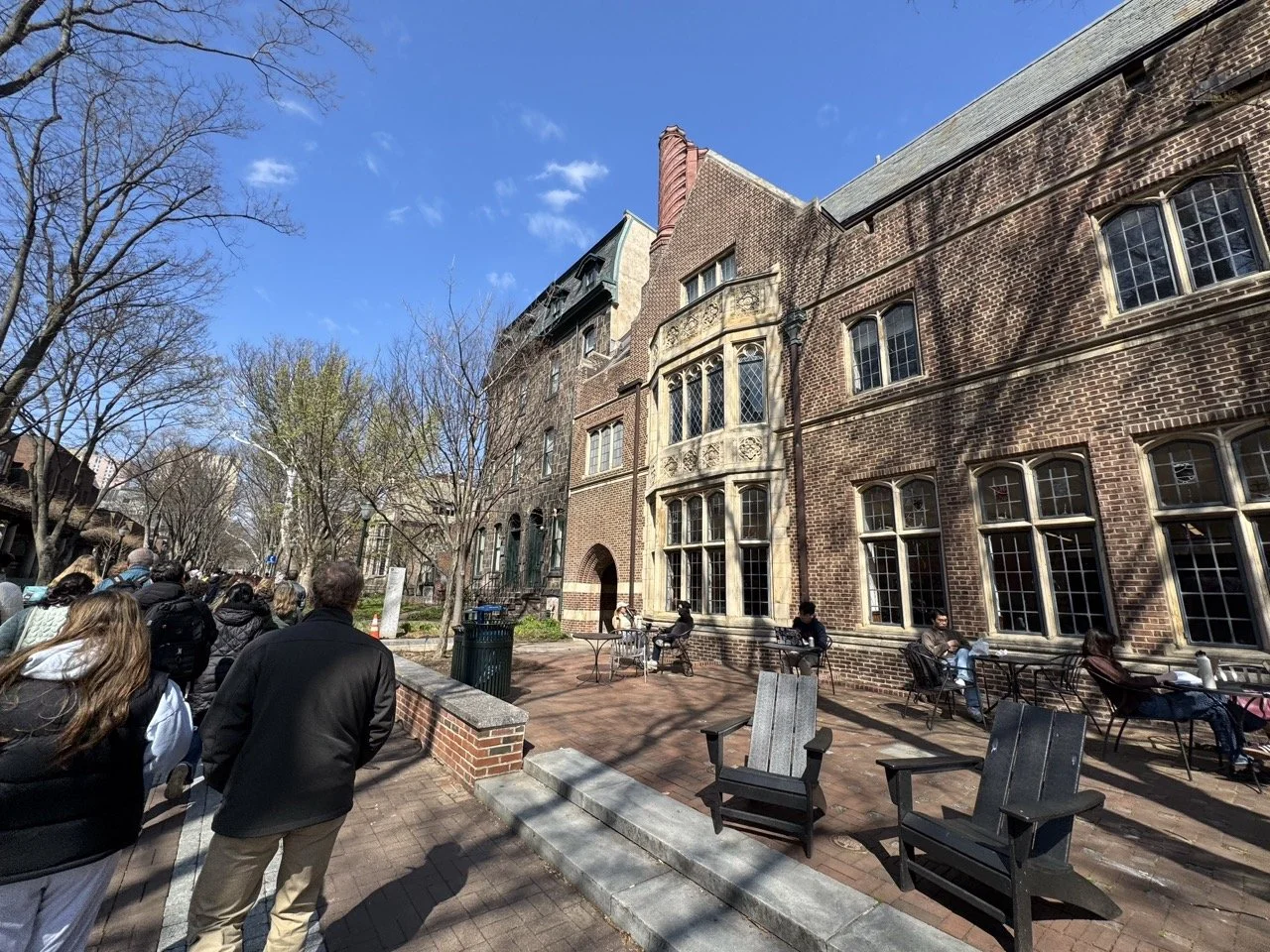
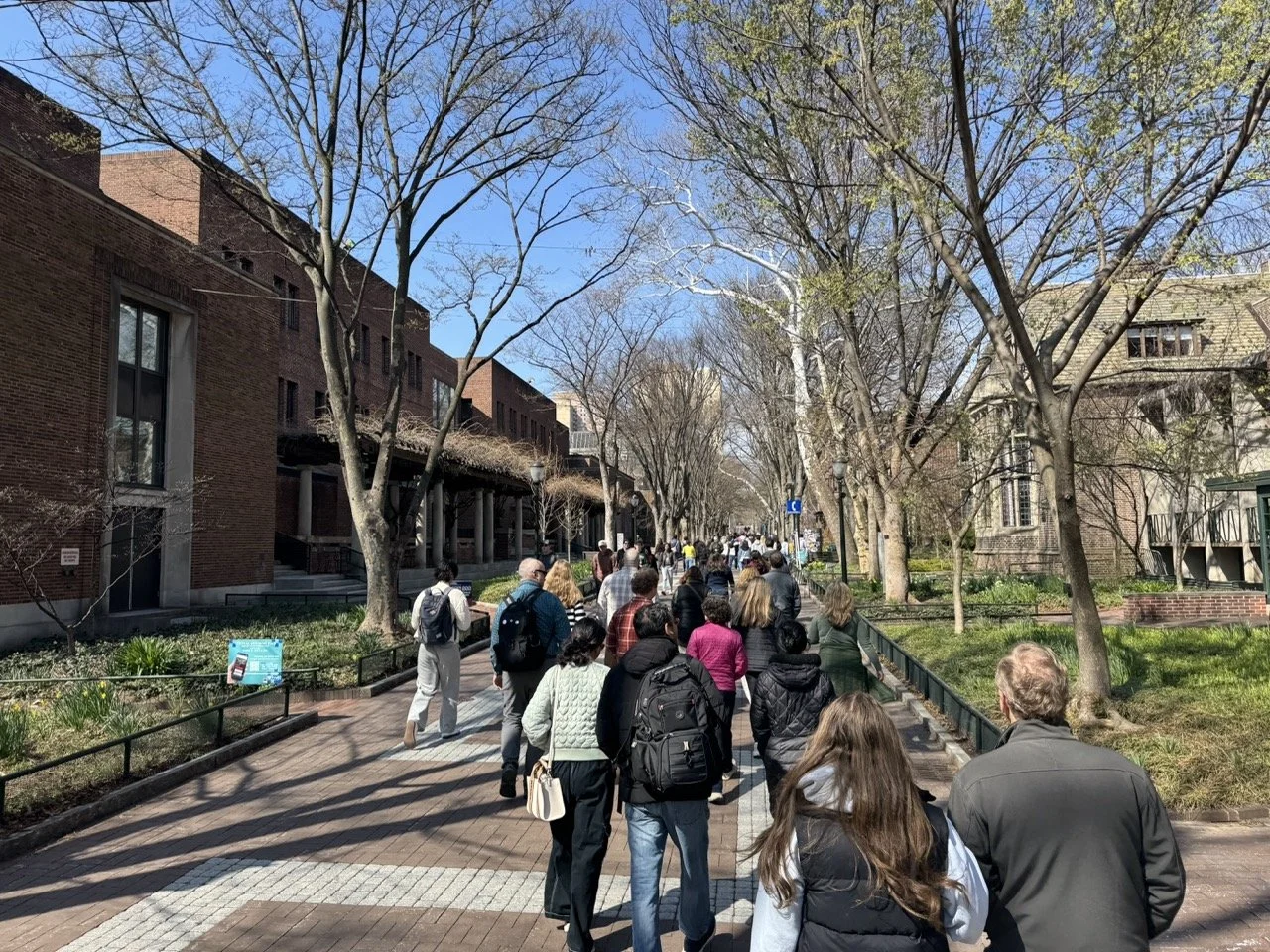
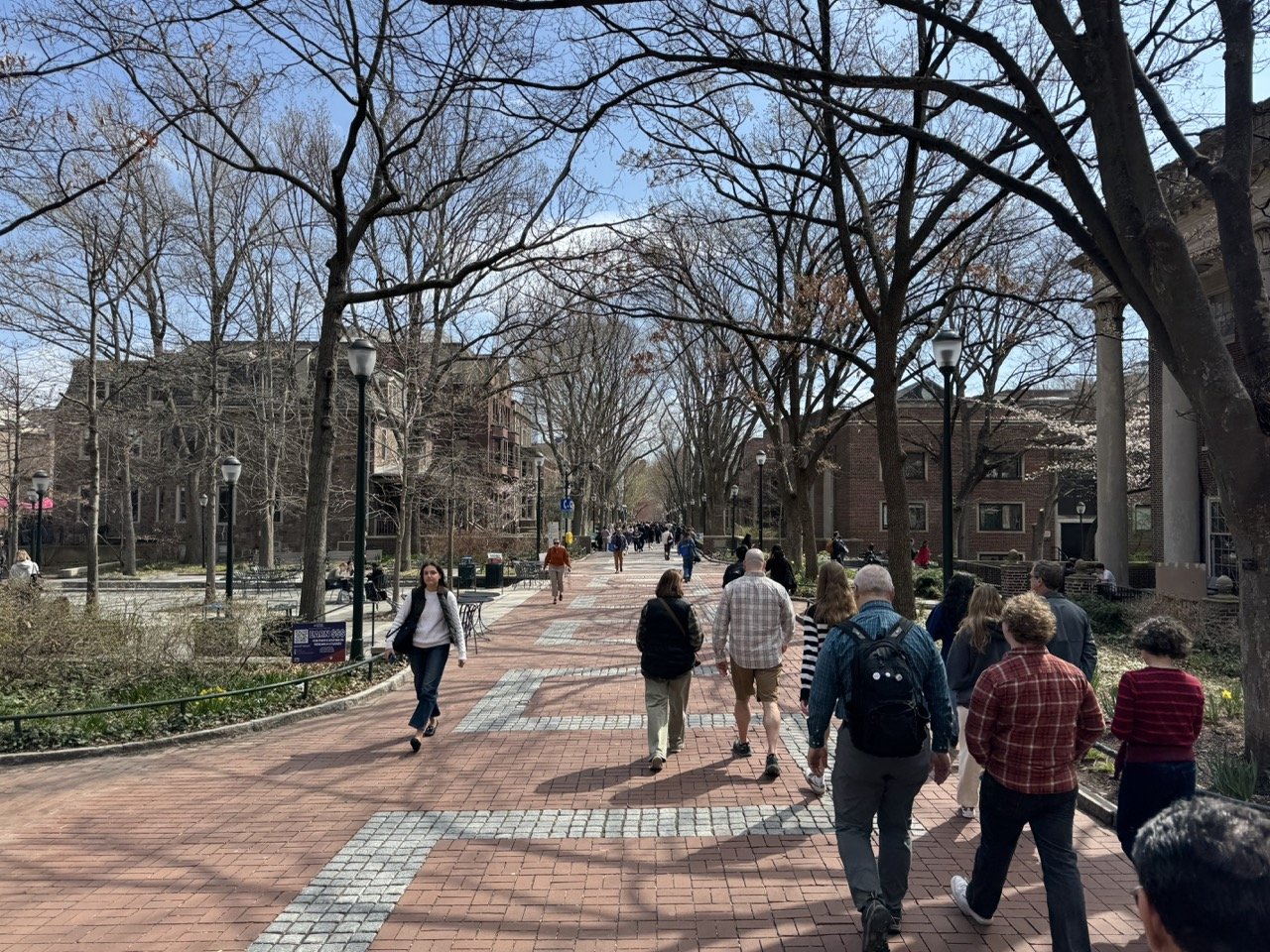
Locust Walk serves as the main “artery” of campus life
Admissions Information
Admissions at Penn are highly selective and intentional. Students apply directly to one of the four undergraduate schools, and the application is designed to showcase both academic rigor and personal voice.
Admissions Details:
Apply directly to one of four schools:
College of Arts & Sciences
School of Engineering & Applied Science
School of Nursing
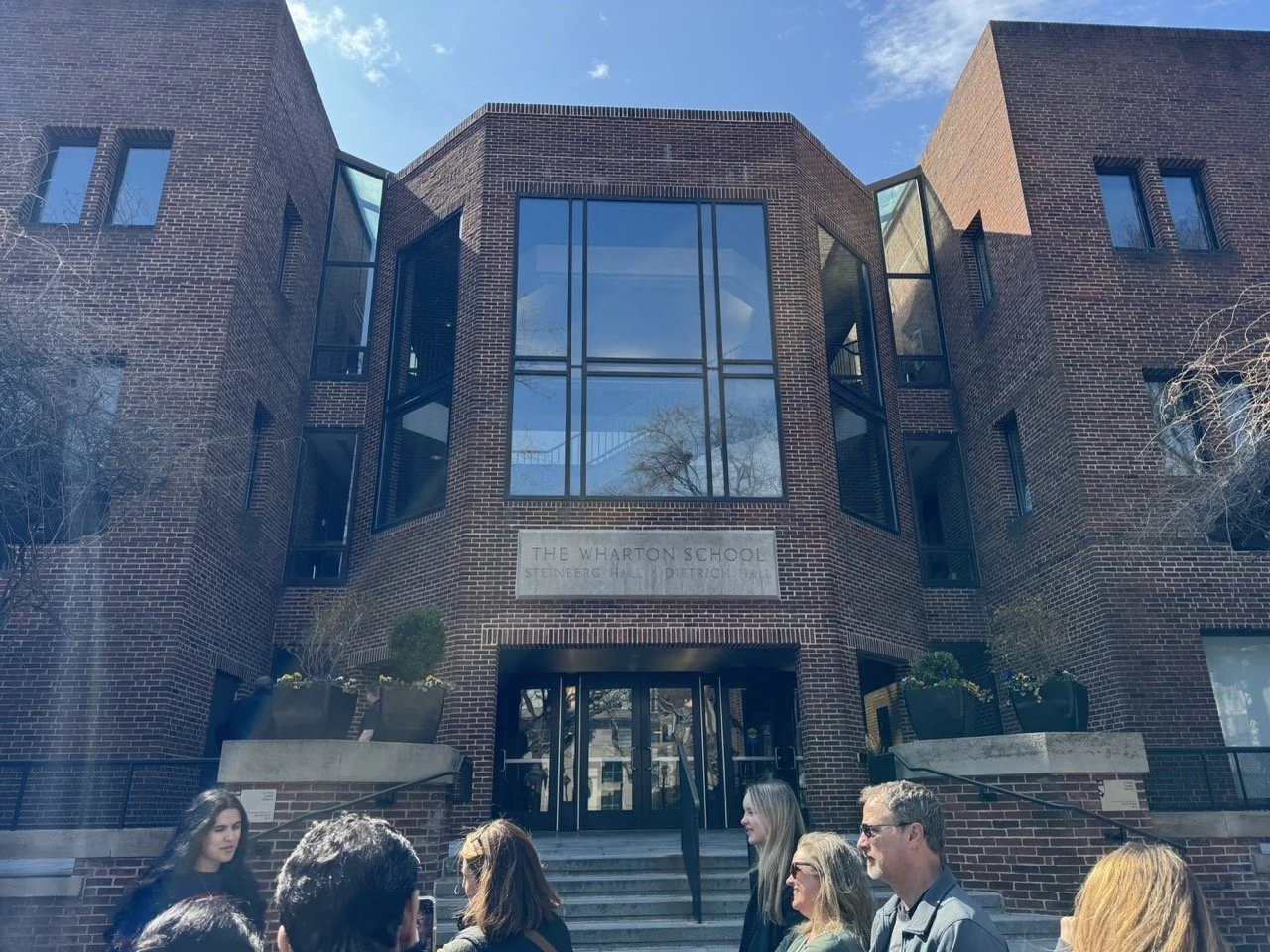
Wharton School of Business
Test scores are required unless access is not available (waiver possible)
Strong emphasis on course rigor over just GPA
Two recommendation letters required:
Counselor
Core subject teacher (someone who truly knows you)
Activities list should highlight impact and measurable outcomes
Essays are critical:
Should add new dimensions to your application
Must sound authentic (not overly polished or artificial)
“Why Penn” must be specific - if it could apply anywhere, it’s not strong enough
Academic / Major Information
Academics at Penn are both structured and flexible. Each school has its own identity, but interdisciplinary exploration is encouraged across the board. This is a true liberal arts research university that actually leans into the liberal arts philosophy.
Academic Highlights:
College of Arts & Sciences: 60+ departments, the largest and most flexible option
Engineering: BS in Engineering or Applied Science (more interdisciplinary paths like biomedical or patent law)
Nursing: 800+ clinical hours, starting sophomore year; highest starting salaries among Penn schools
Wharton: BS in Economics with 19 concentrations (students often choose 2); strong emphasis on math and analytics
Research opportunities available as early as freshman year
CURF (Center for Undergraduate Research & Fellowships) helps students find research opportunities
Unique opportunities like earning credit through volunteer-based “classes”
Capstone experiences often involve solving real-world problems
Housing and Student Life
Student life at Penn is energetic, collaborative, and deeply embedded in campus traditions. Despite the Ivy League reputation, students describe the culture as more collaborative than cutthroat, with much of the competition being internal rather than external.
Housing & Campus Life Highlights:
Two-year housing requirement; housing guaranteed all four years
Around 30% of students participate in Greek life (social, professional, and service-based)
Locust Walk is the social hub of campus
Club fair and student activity life centered around campus core
Strong acapella culture (inspiration for Pitch Perfect)
Insomnia Cookies was founded in a Penn dorm
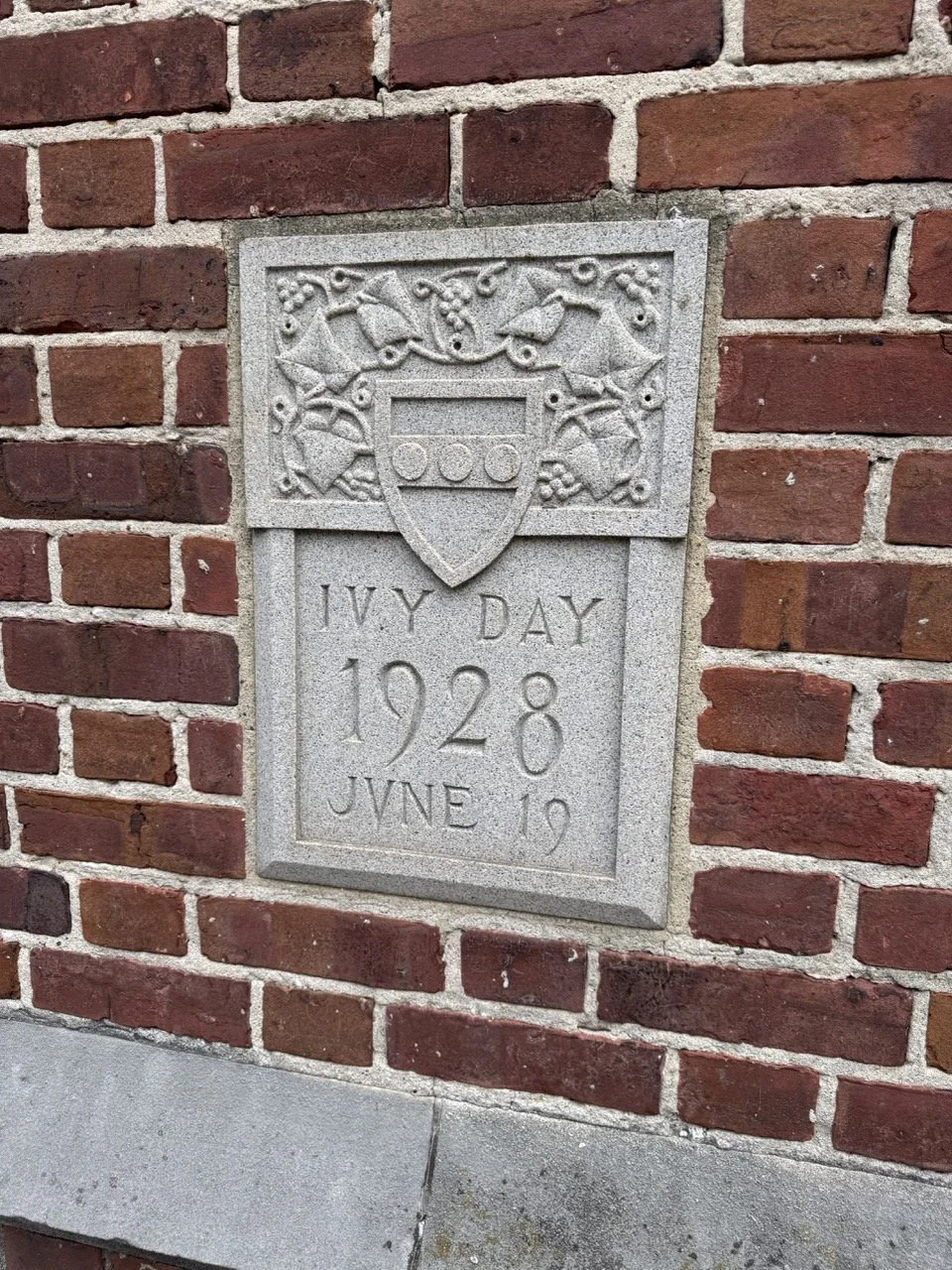
Ivy Day tradition: plaques are placed each year, and students take photos with their birth year
Collaborative culture with strong peer support
Athletics
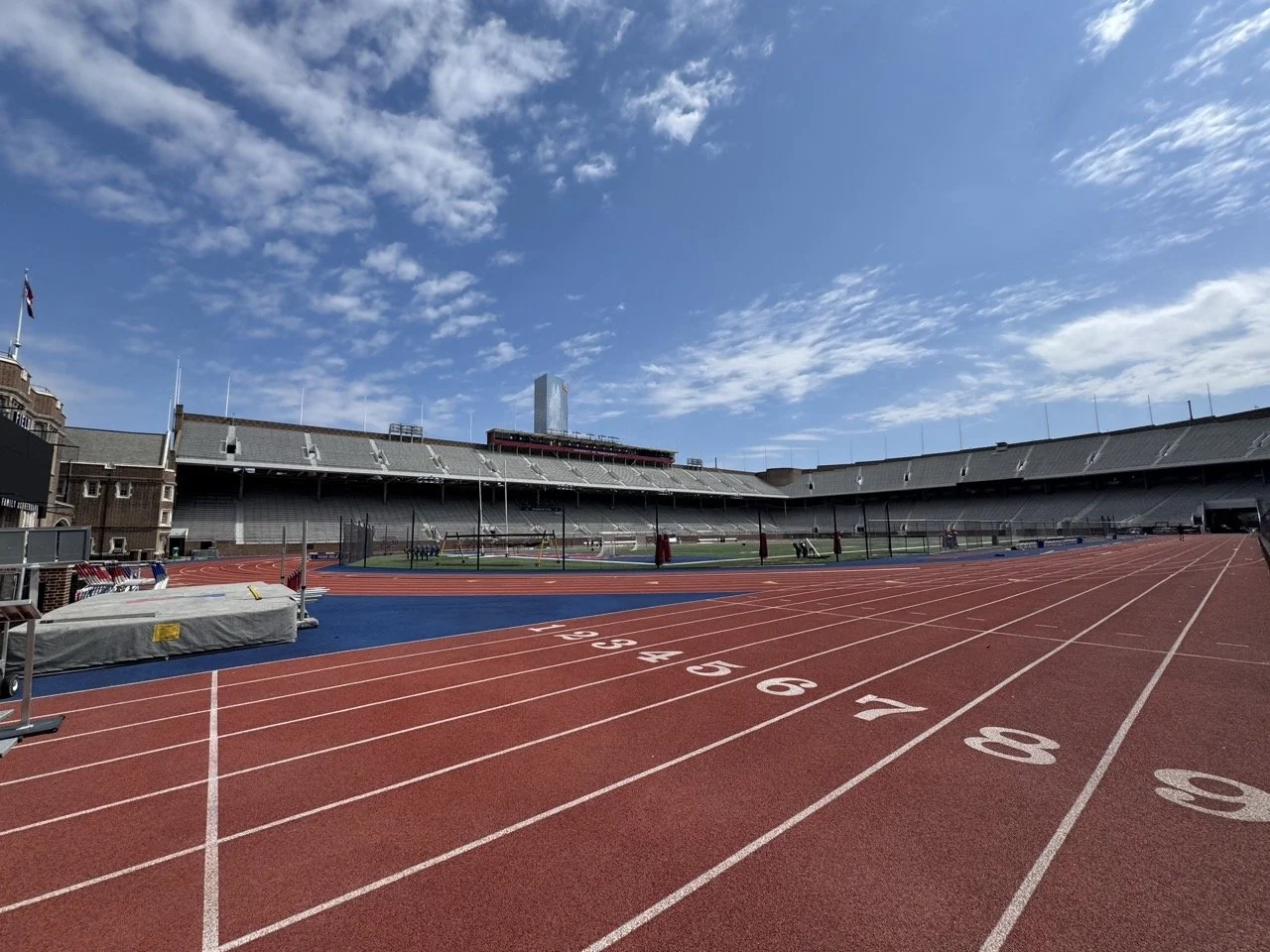
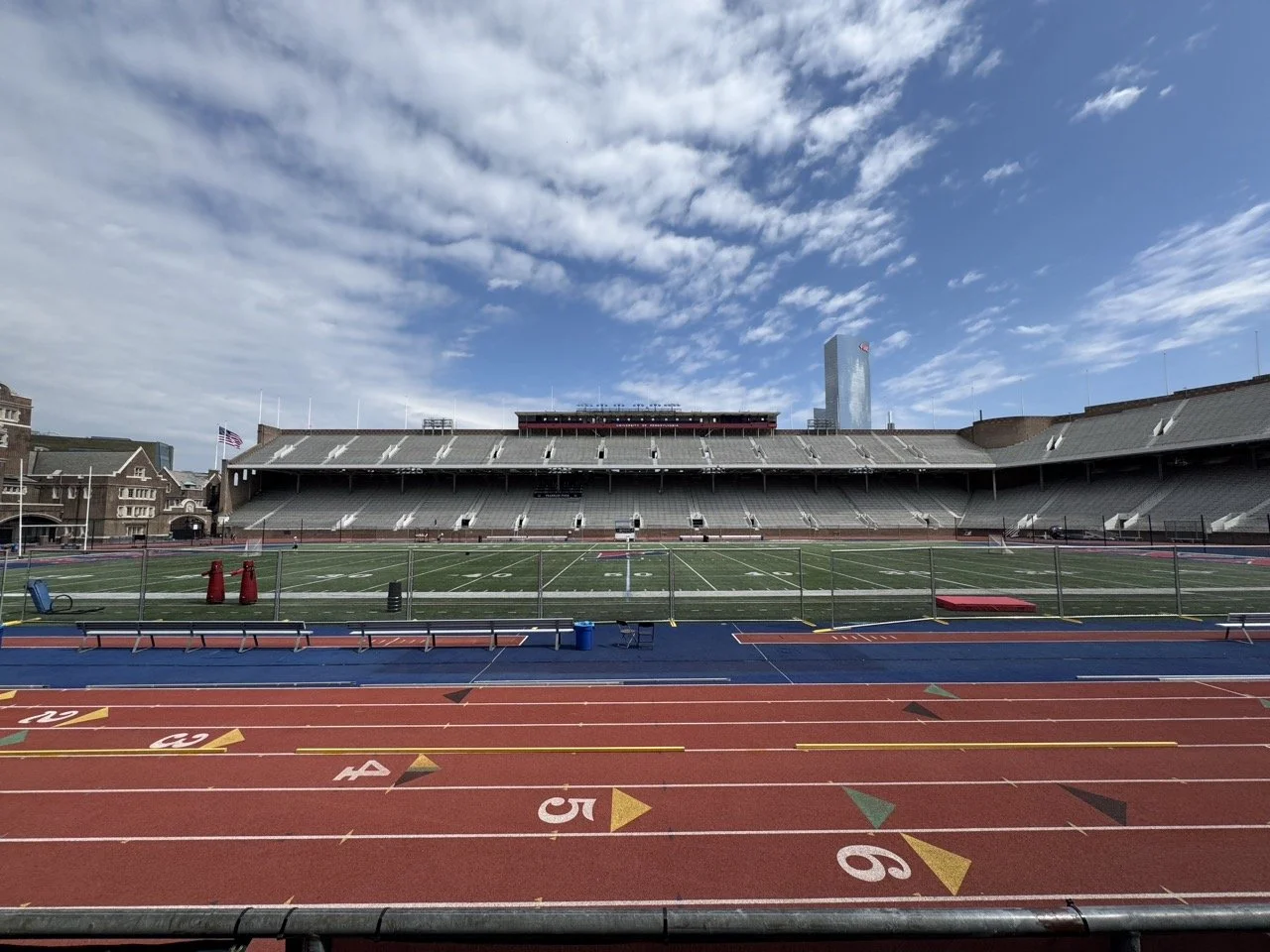
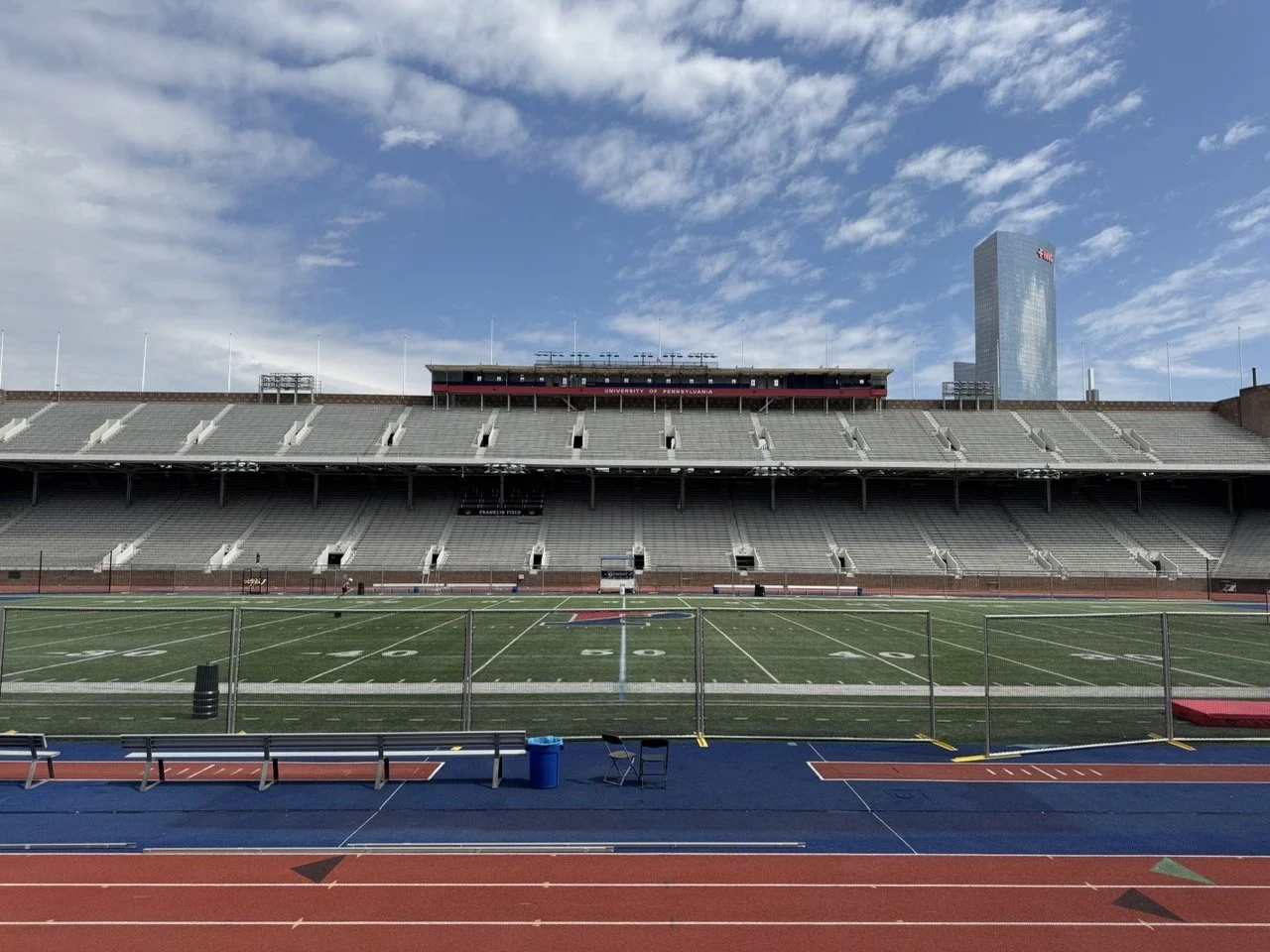
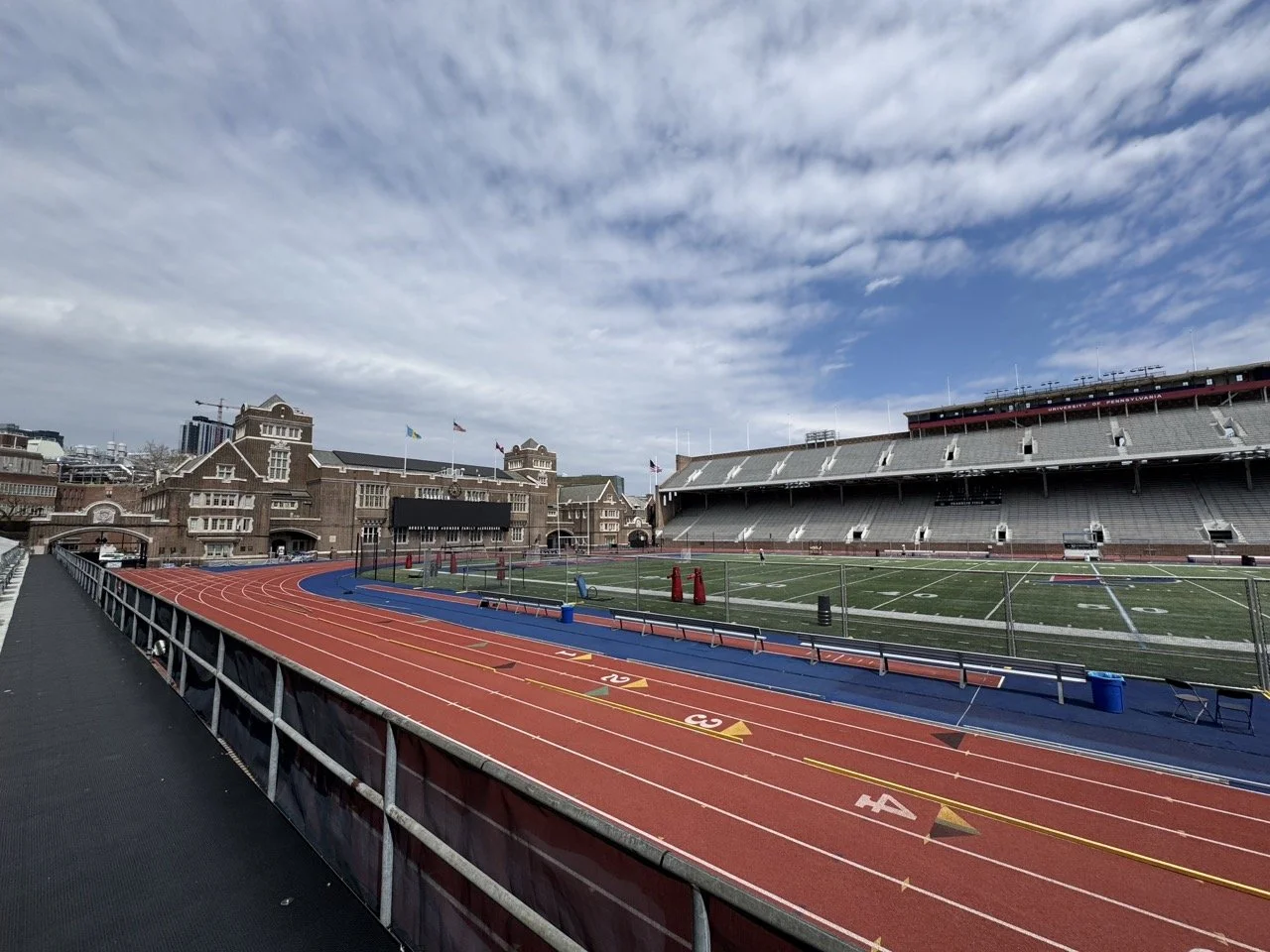
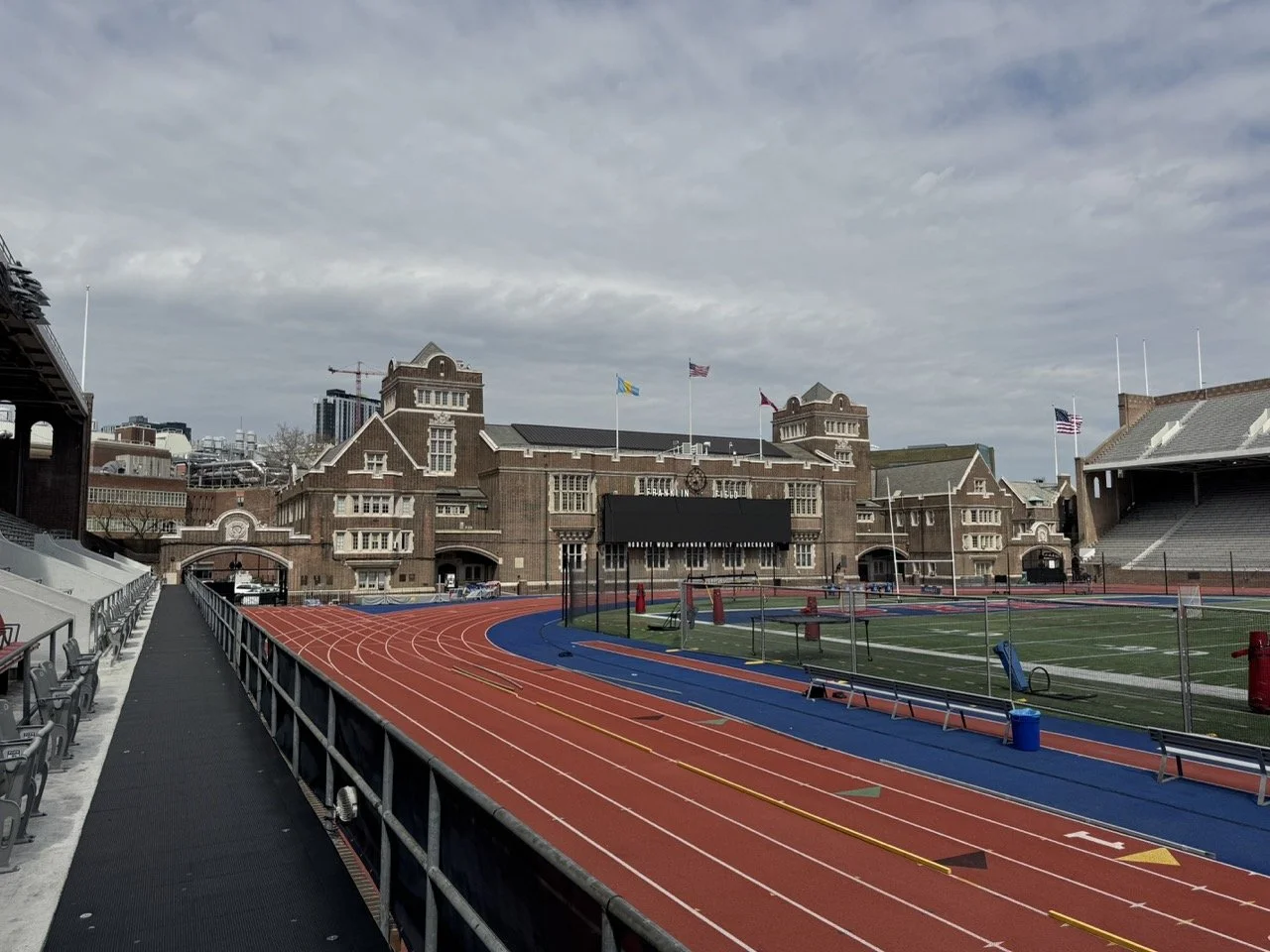
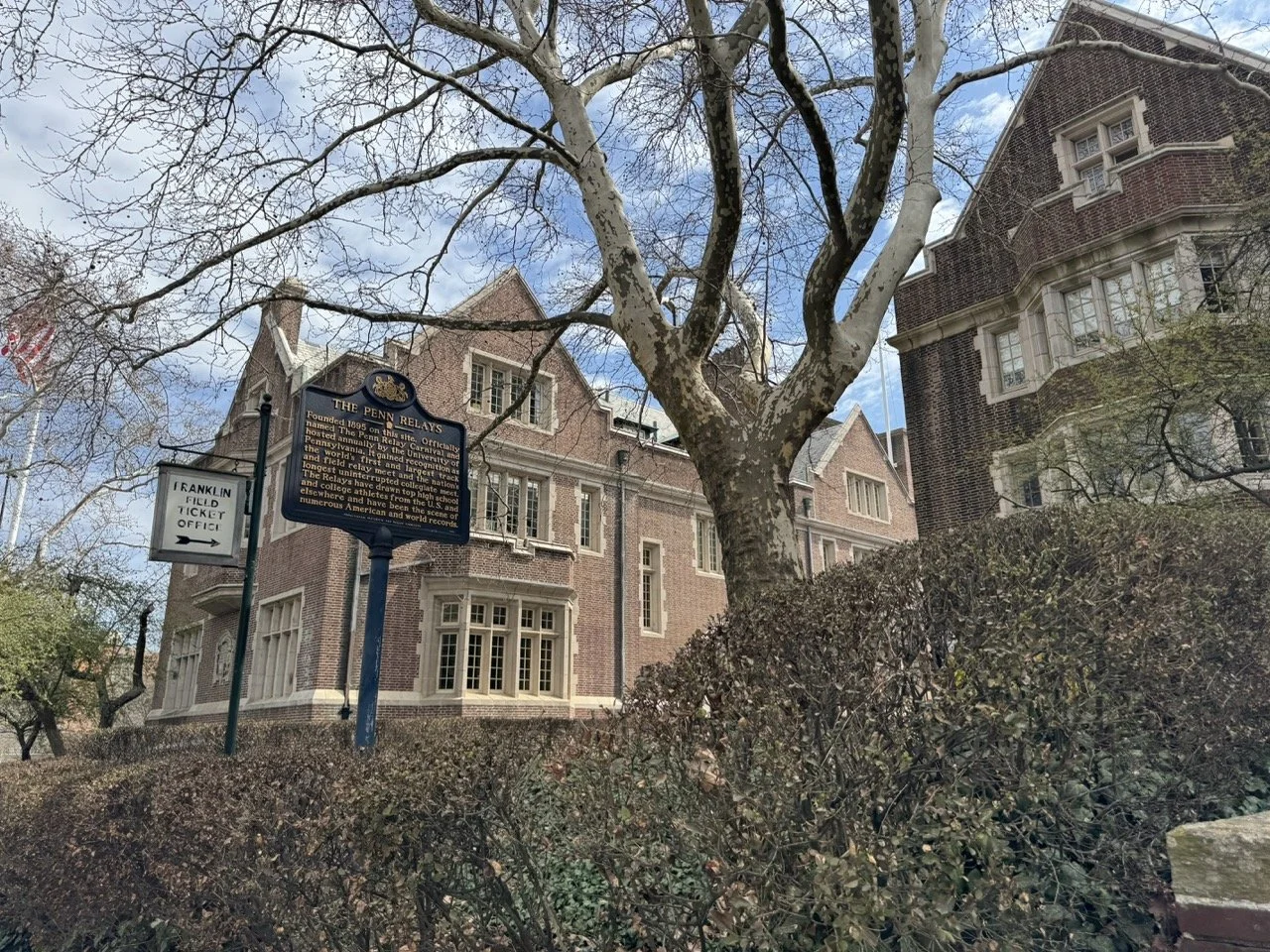
Penn competes in the Ivy League at the Division I level, offering a balance of competitive athletics and academic excellence. Facilities are conveniently located on or near campus, making it easy for students to engage with athletics.
Athletics Overview:
NCAA Division I (Ivy League)
Broad range of varsity sports with strong tradition
Facilities located on or near campus
Student-athletes balance rigorous academics with competition
Cost and Scholarships
Penn is one of the most generous Ivy League schools when it comes to financial aid, making it accessible for a wide range of families.
Cost & Aid Details:
Tuition: ~$66,000/year (approx)
Room & board: ~$17,000/year
Meets 100% of demonstrated financial need
Families earning <$75,000 attend at no cost
Families earning <$200,000 often receive full tuition coverage
Need-based aid only (no merit scholarships)
Fun Facts / Traditions
Penn has a personality that blends history, innovation, and a little bit of fun.
Campus Culture & Traditions:
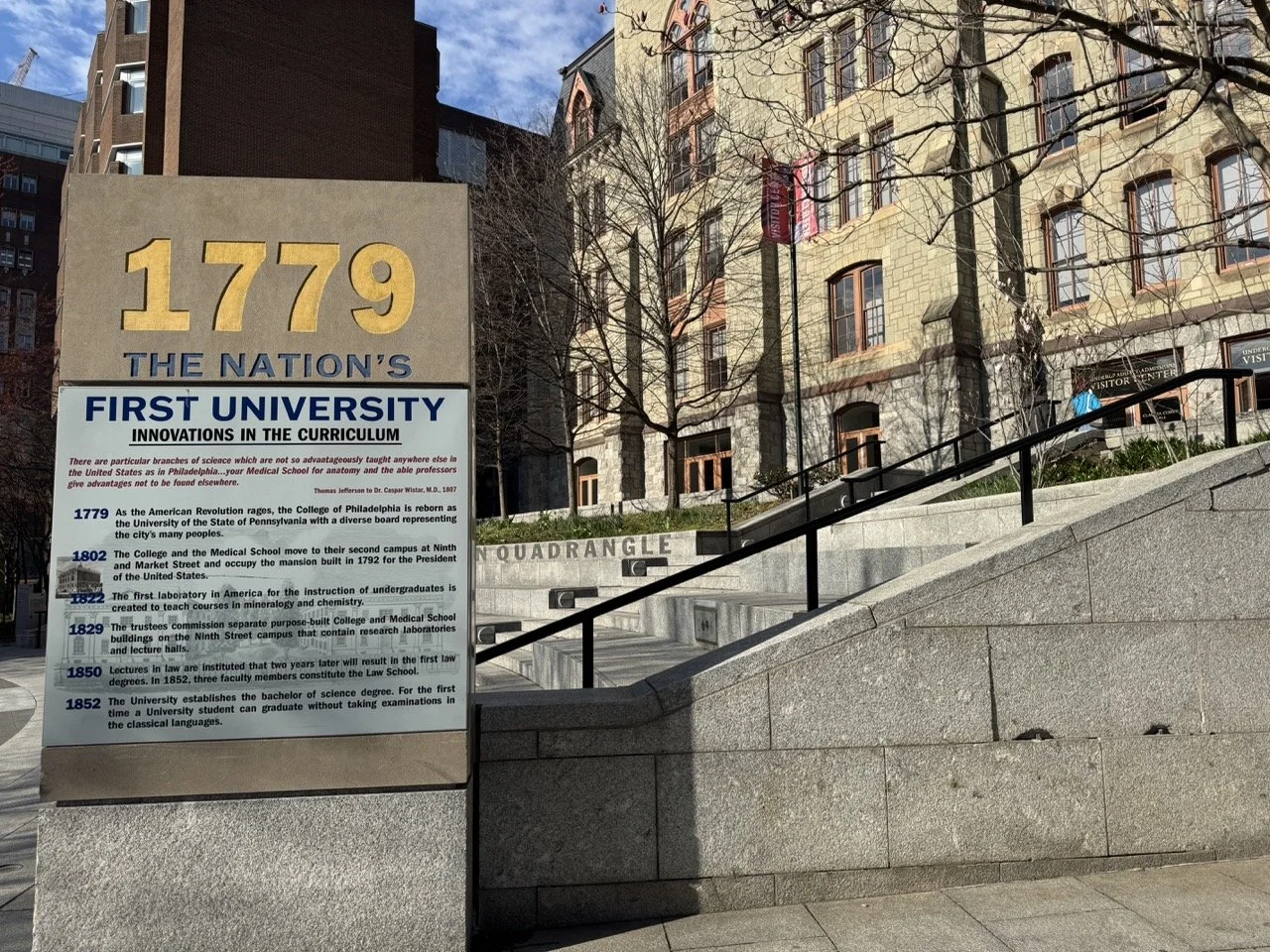
Founded by Benjamin Franklin with a focus on practical education
Locust Walk is the busiest and most social part of campus
Insomnia Cookies started in a Penn dorm
Pitch Perfect inspired by Penn’s acapella scene
Ivy Day plaques celebrate each graduating class
Final Thoughts: Who Would Thrive at Penn?
Penn is an incredible fit for students who want Ivy League academics with a clear connection to the real world. It’s not just about theory here - it’s about application, exploration, and impact.
Ideal Student Profile:
Highly driven students who want both rigor and opportunity
Those interested in business, healthcare, engineering, or interdisciplinary study
Students who value real-world application and early research
Individuals who thrive in collaborative, high-energy environments
Students who want a true city experience with a defined campus feel
Those who embrace Ben Franklin’s mindset: explore, adapt, and build something meaningful