Tour Tuesday: Haverford College
Honor Code, Arboretum Living, and Intellectual Curiosity
Overview
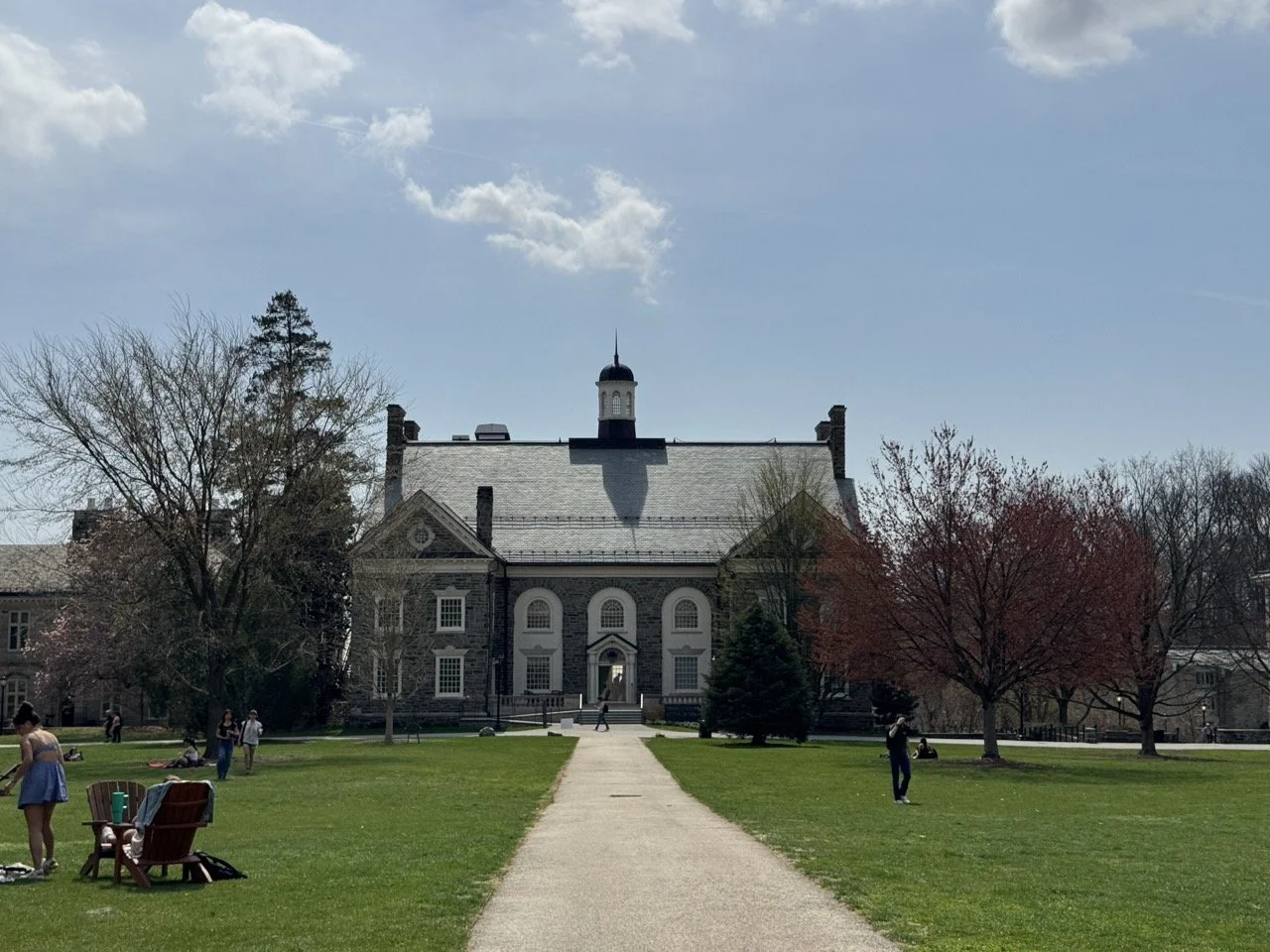
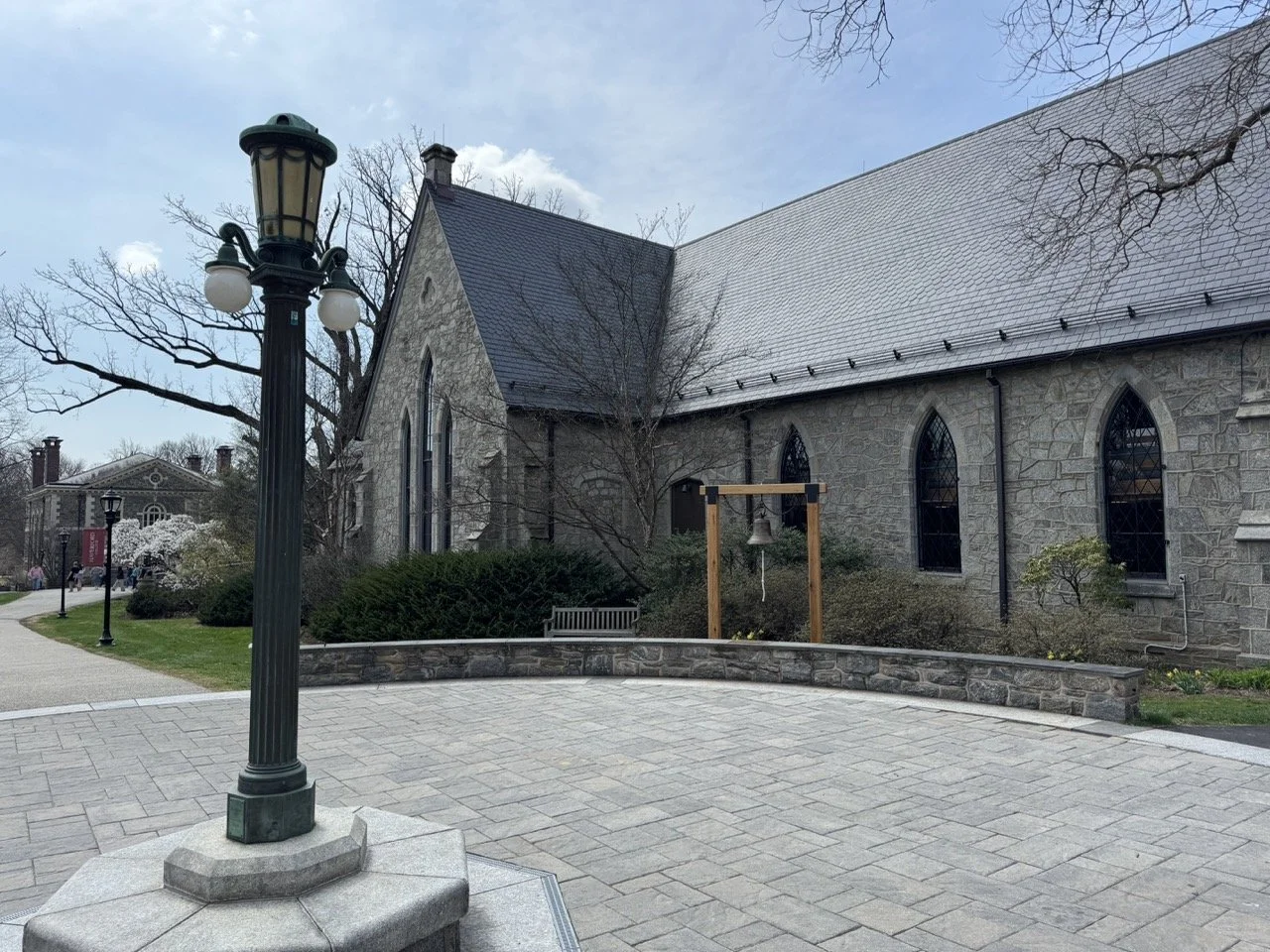
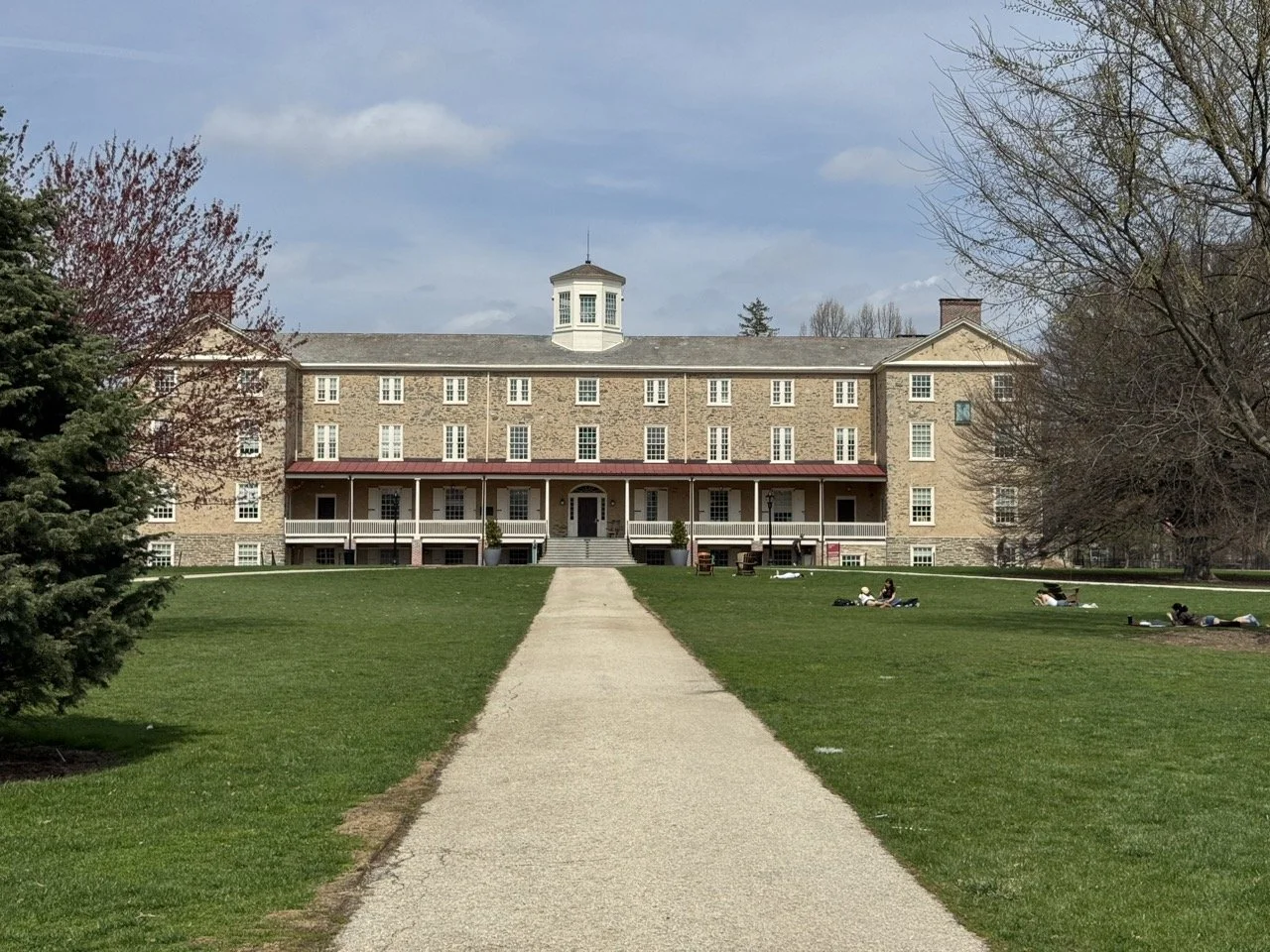
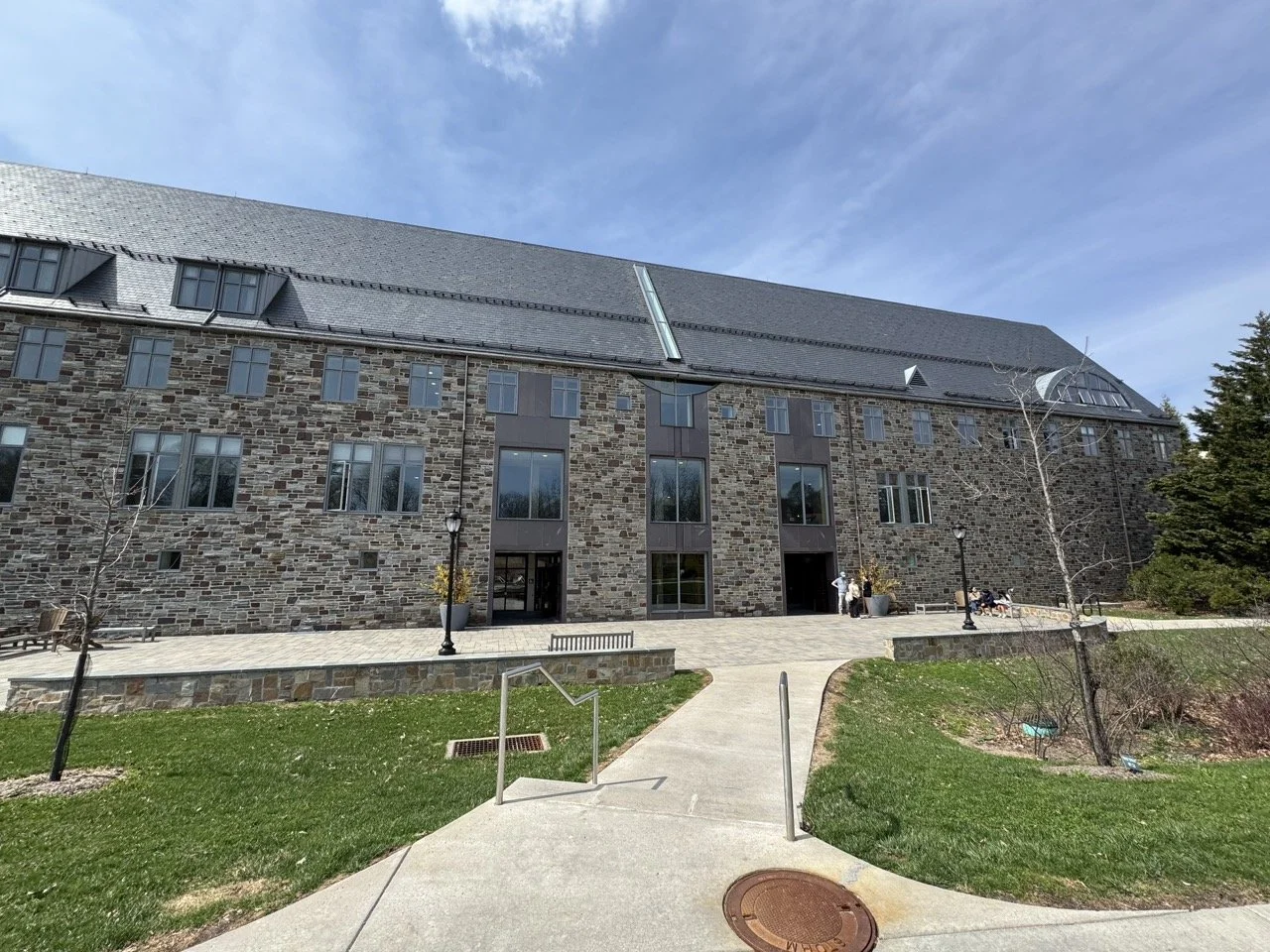
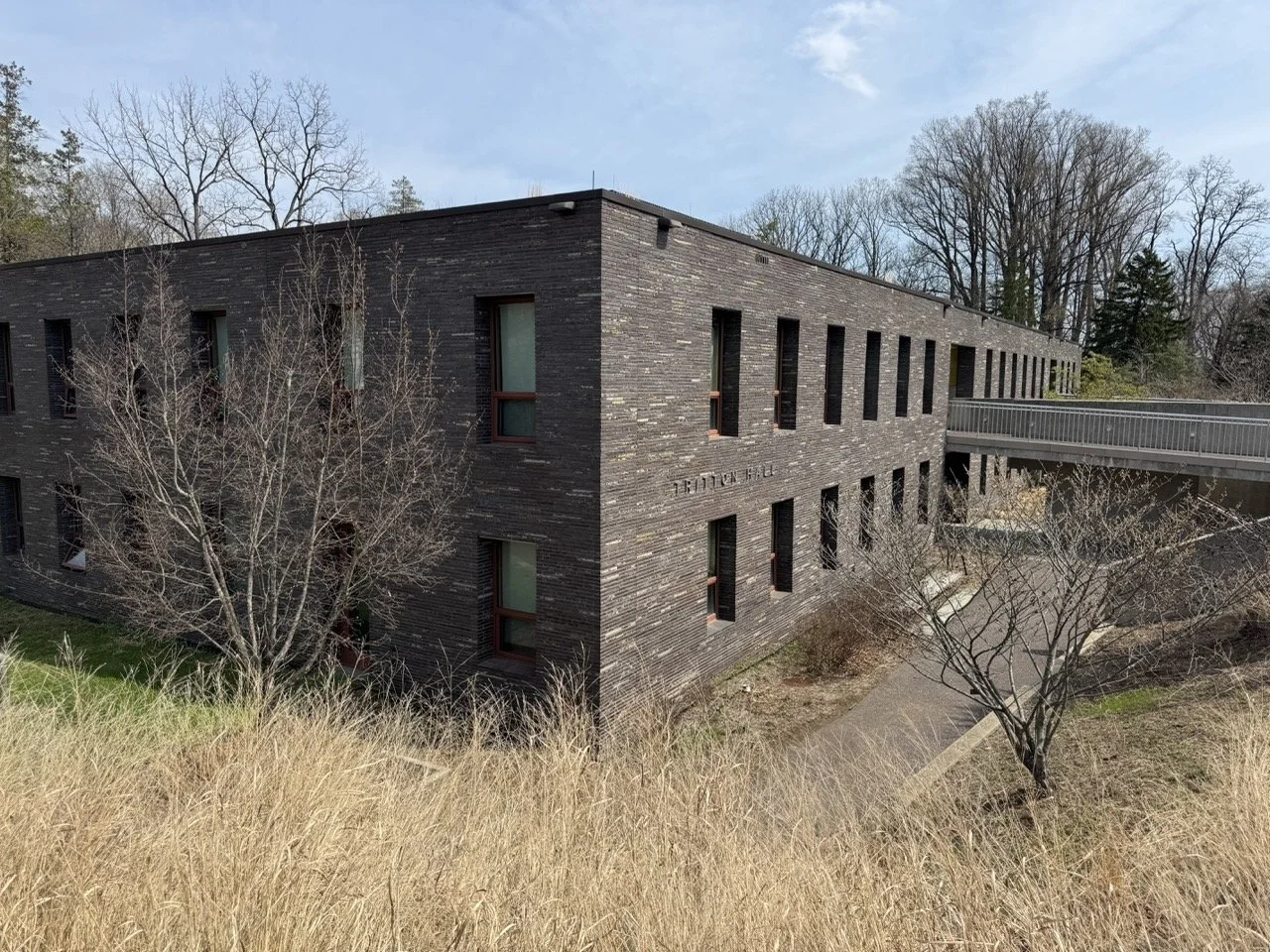
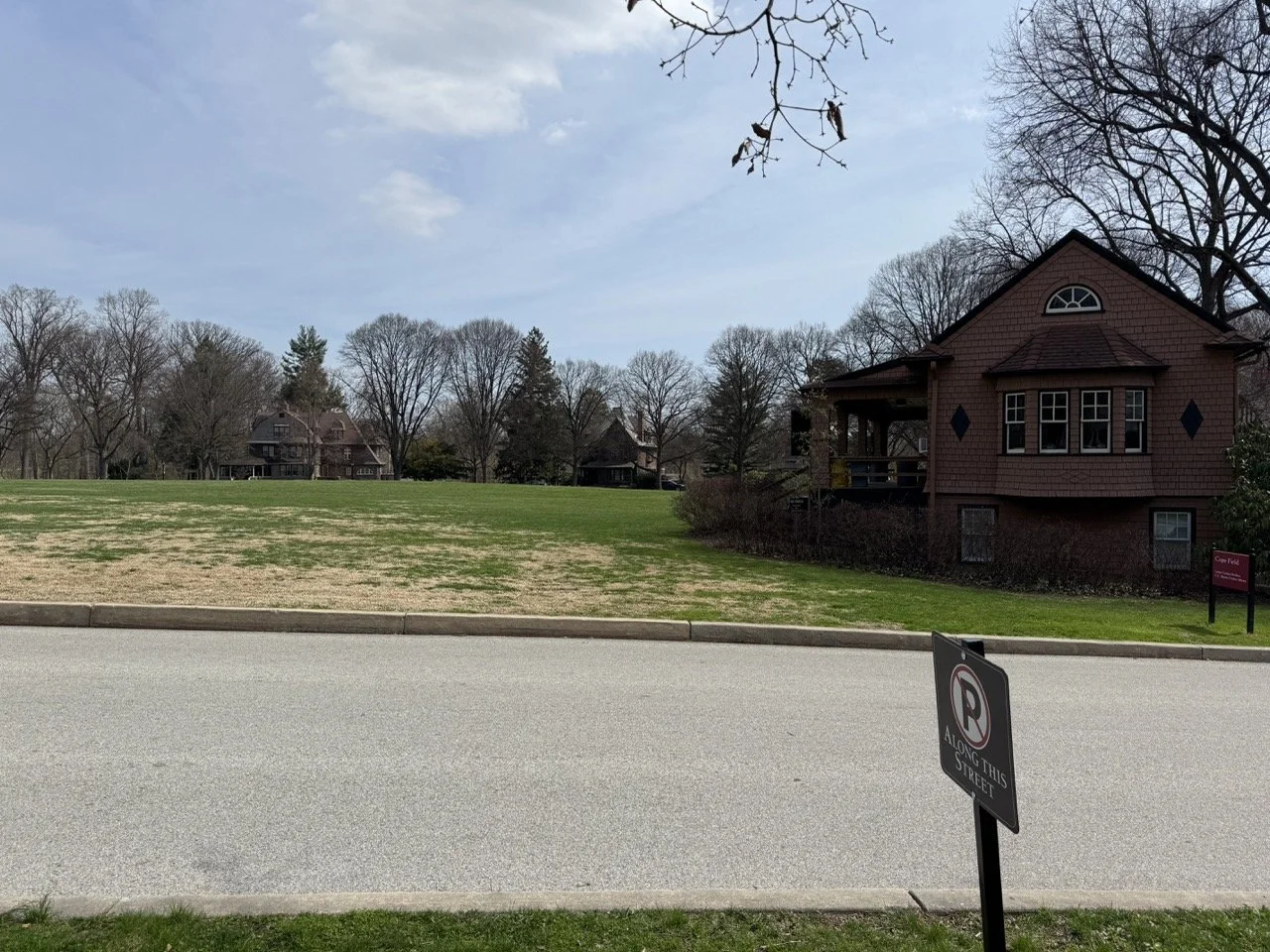
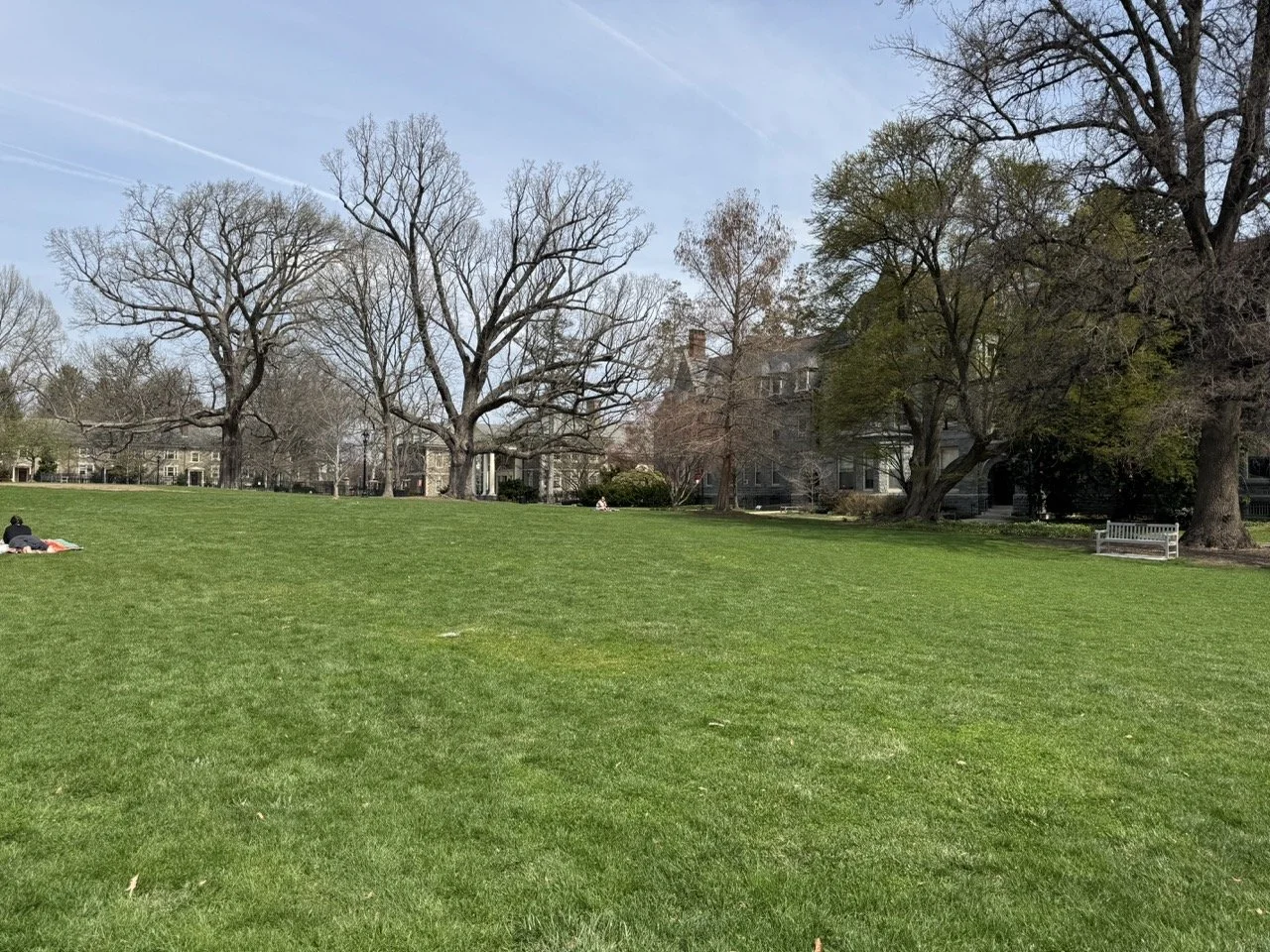
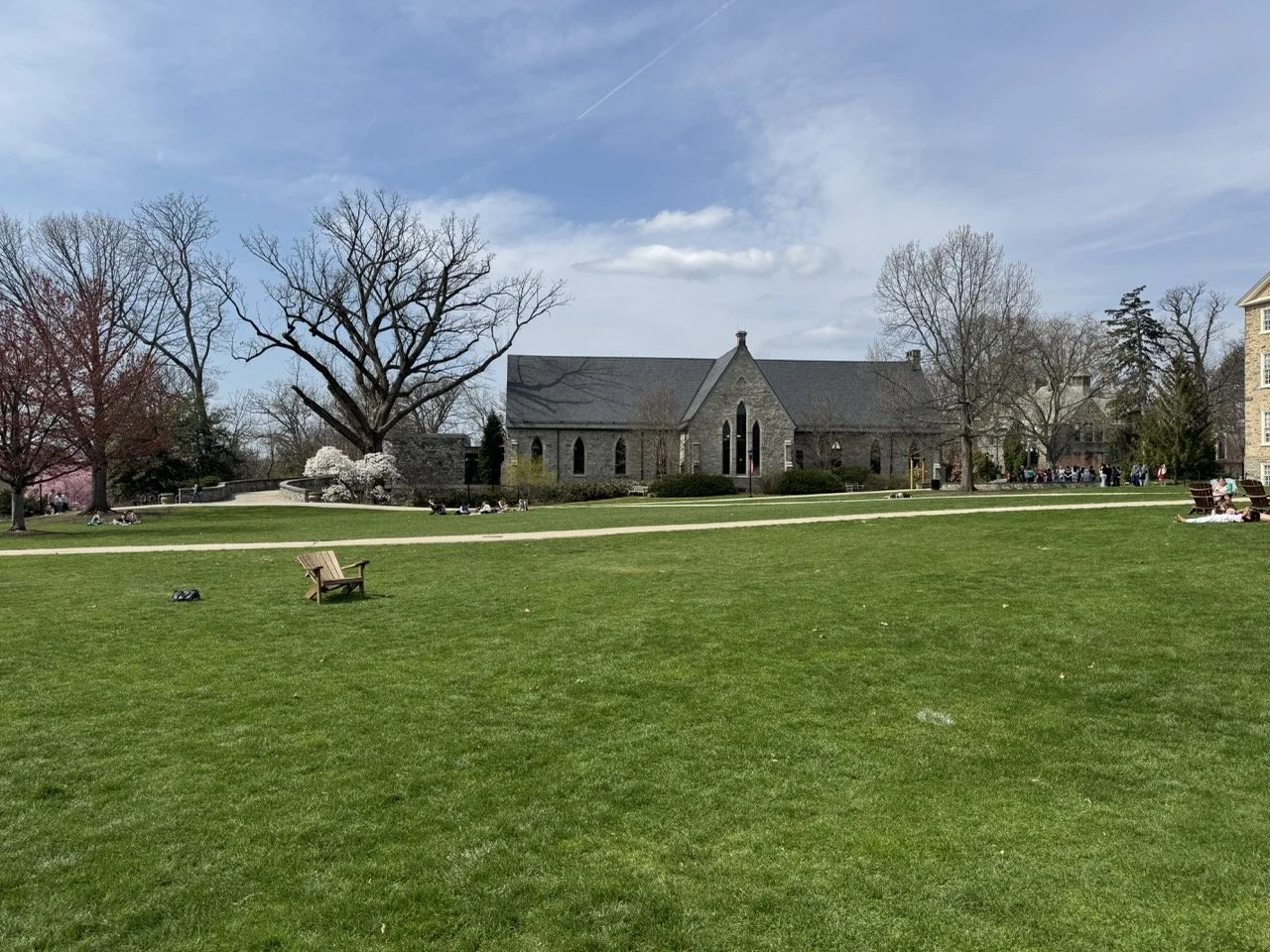
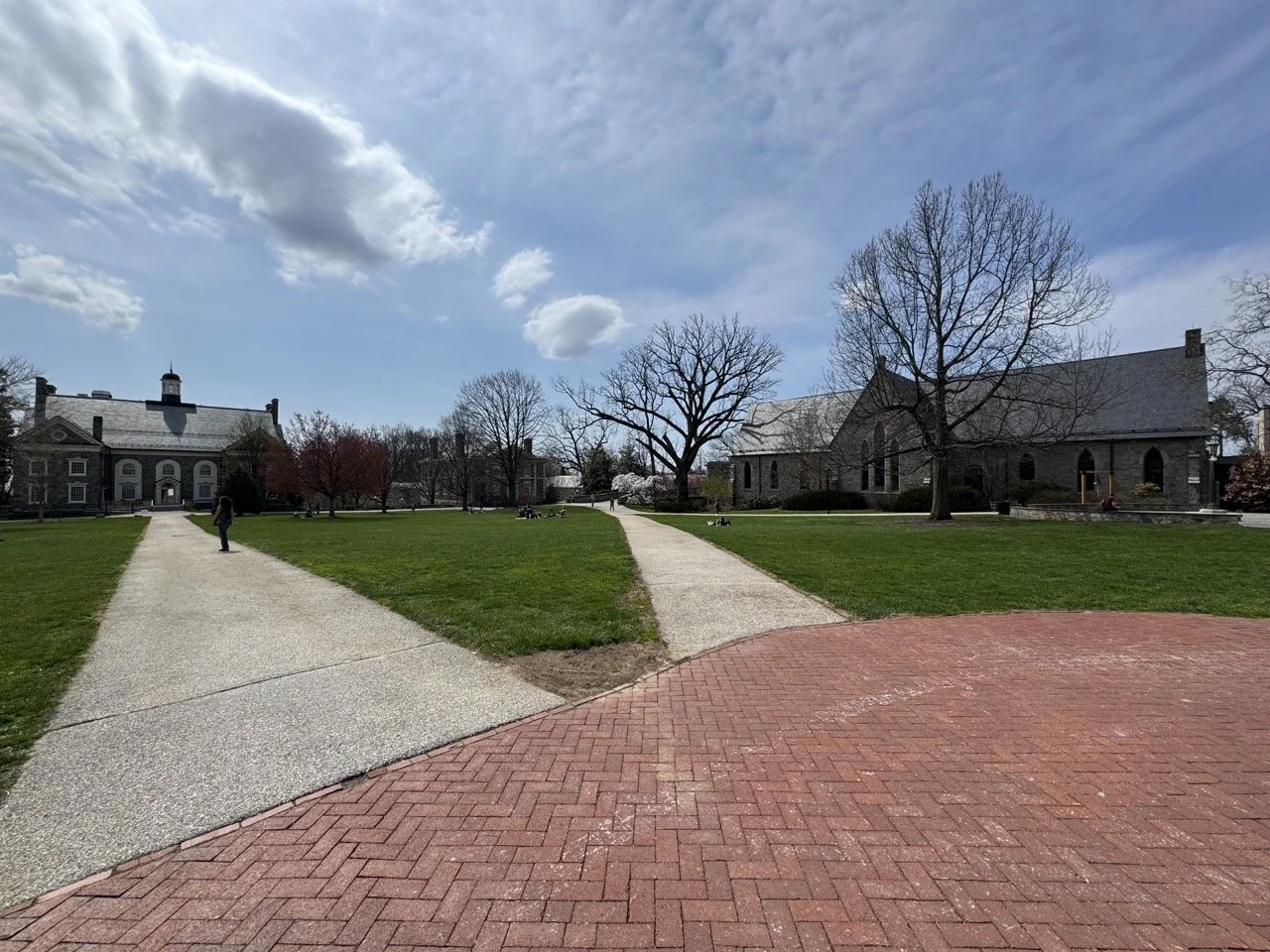
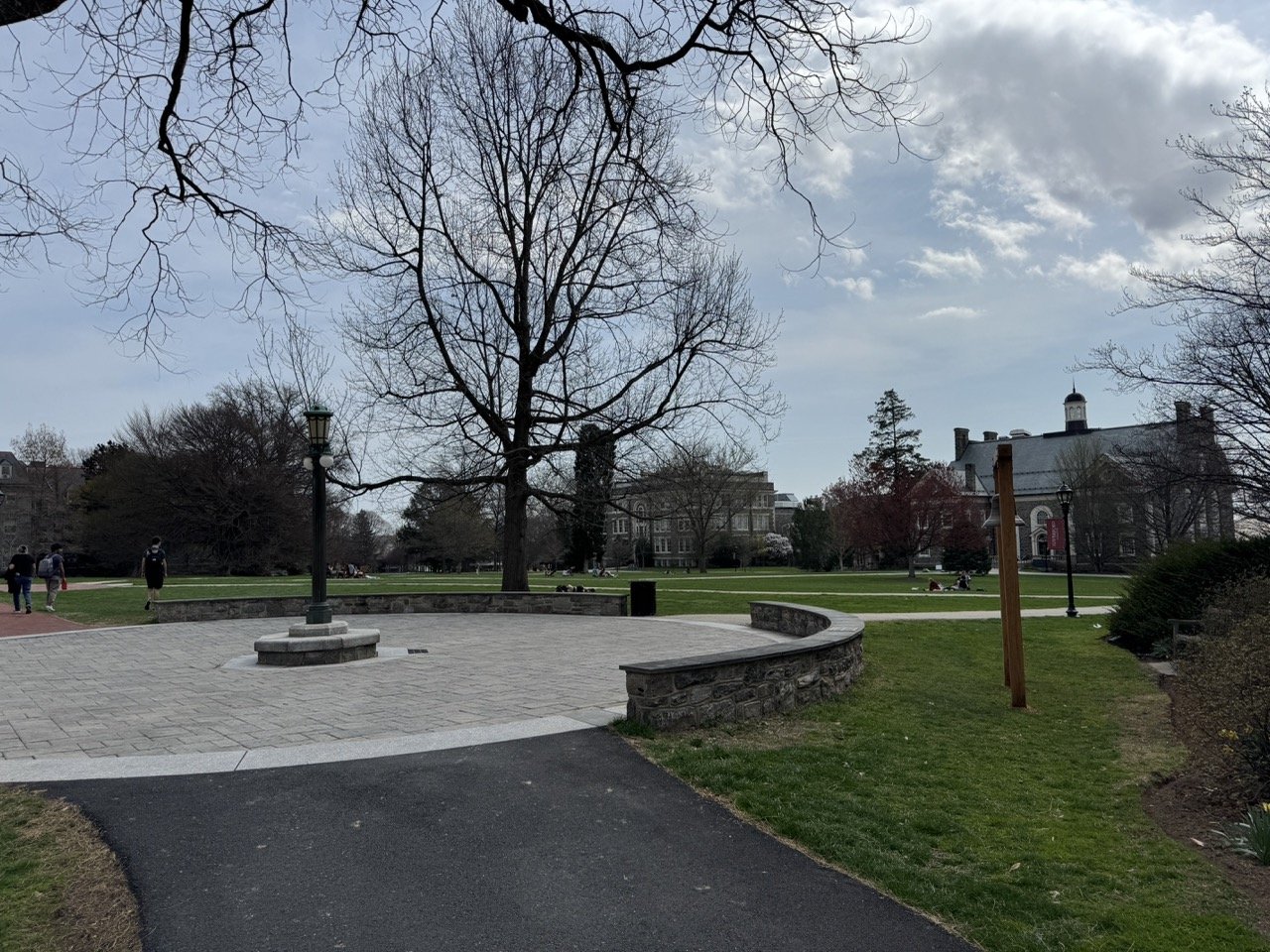
Haverford is one of those places that feels different the moment you step on campus, and that’s by design. With about 1,400 students spread across a stunning 206-acre arboretum campus, Haverford blends serious academic rigor with an equally strong commitment to community and trust. The Honor Code isn’t just a line on a brochure, it shapes everything from how exams are taken to how students interact with each other. It’s thoughtful, a little quirky, and deeply intentional.
Quick Look:
Private liberal arts college in Haverford, PA
~1,400 undergraduate students
206-acre campus and nationally recognized arboretum
6:1 tree-to-student ratio
Honor Code central to student life
No graduate students (all research is undergraduate-driven)
Part of the Quaker Consortium (Bryn Mawr, Swarthmore, UPenn)
NCAA Division III athletics
Location
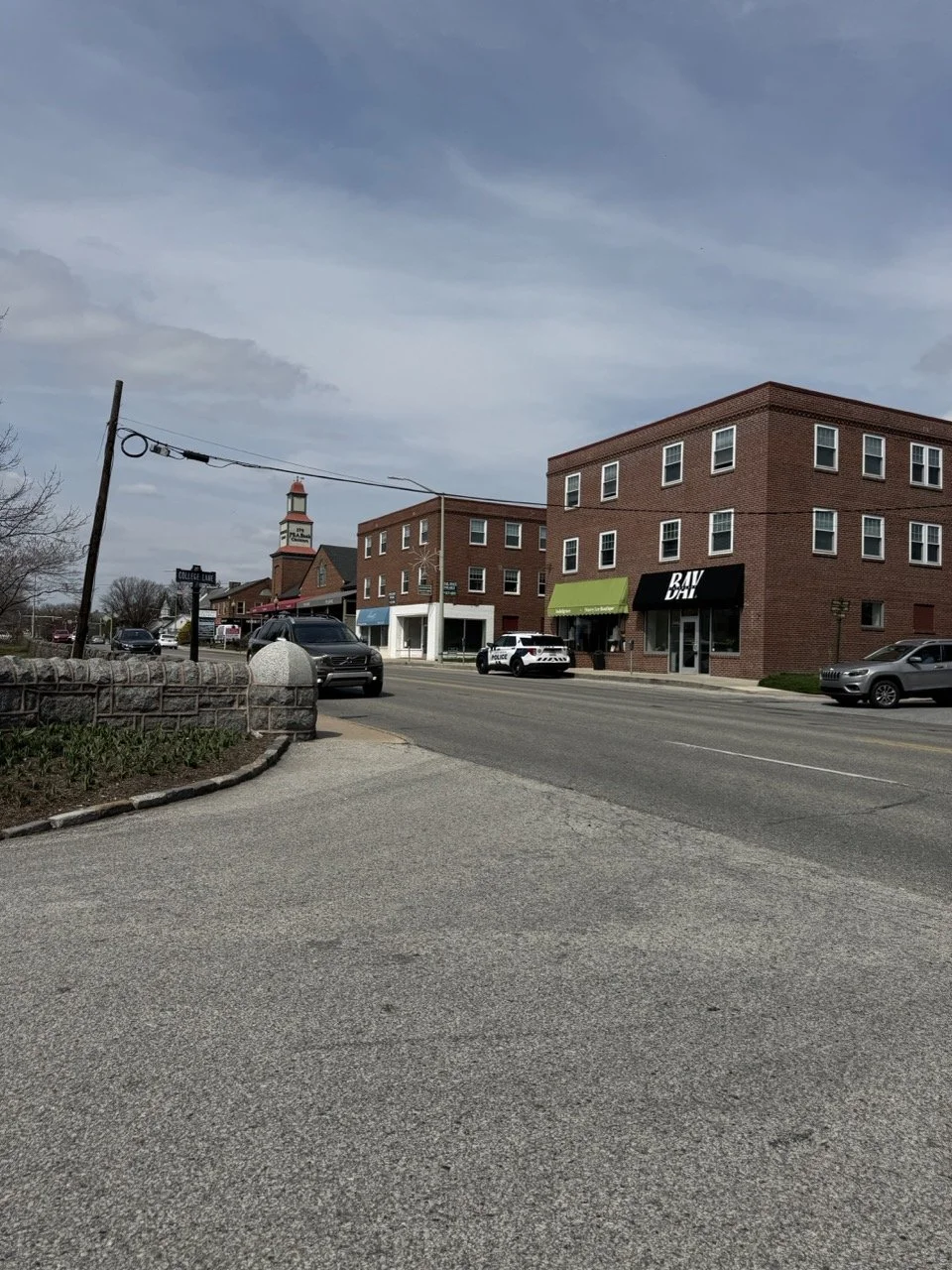
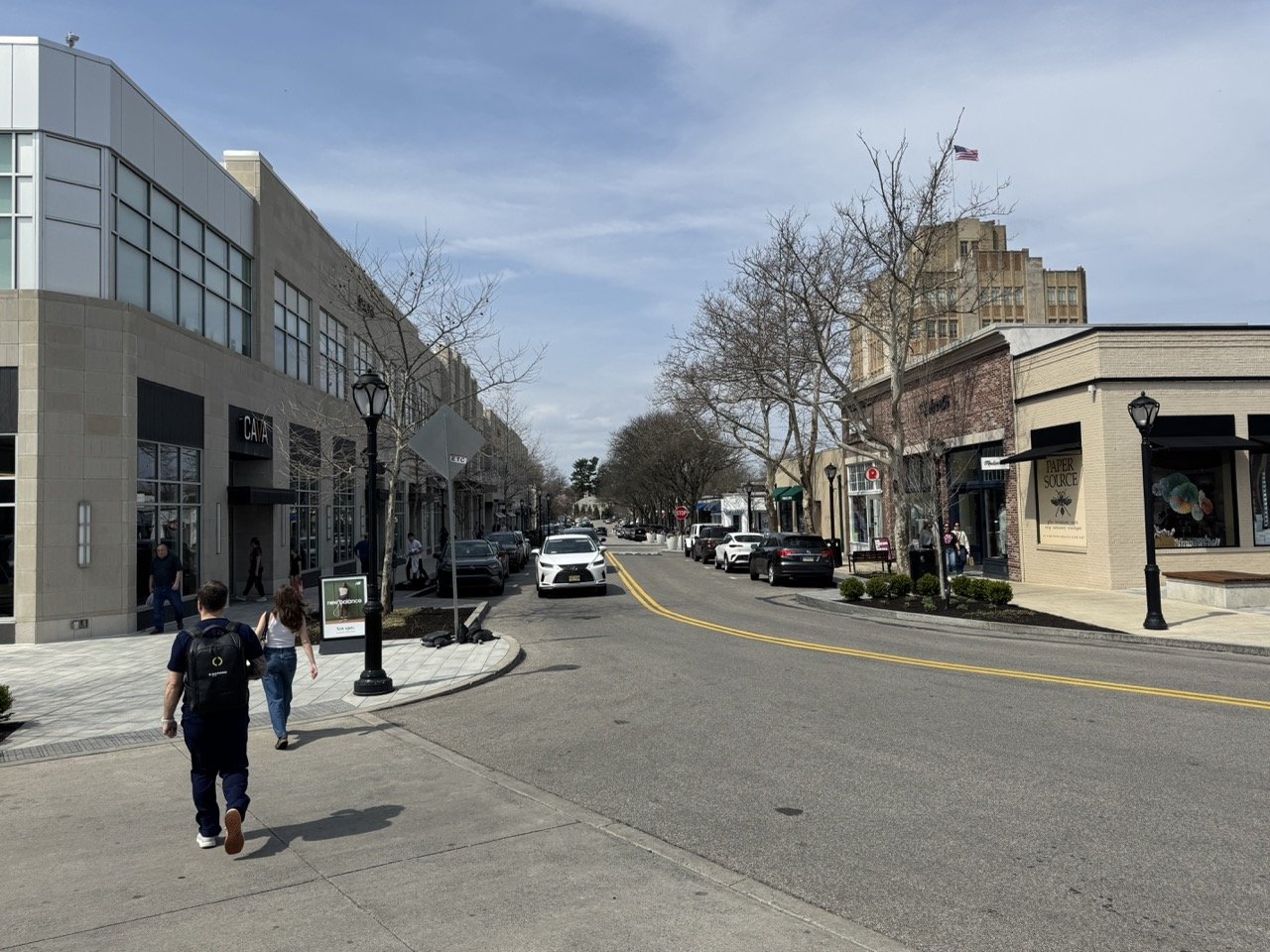
Haverford sits just outside Philadelphia, offering a peaceful, green campus with incredibly easy access to the city. It’s the kind of place where you can focus when you need to, but hop on a train and be in Philly in minutes.
Location Highlights:
Located about 8 miles from downtown Philadelphia
15-minute walk to multiple train stations
Suburban, quiet campus with quick city access
Arboretum setting with lots of green space and outdoor study spots
Admissions Information
Admissions at Haverford are highly selective and focused on students who are both academically driven and aligned with the school’s values.
Admissions Details:
~12% acceptance rate
94% of admitted students are in the top 10% of their class
12% international student population
48% of students identify as people of color
Holistic review emphasizing rigor, curiosity, and community fit
Academic / Major Information
Academics at Haverford are rooted in the liberal arts, but this is not a passive learning environment - students are deeply involved in research, writing, and critical thinking from the start.
Academic Highlights:
All students complete a senior thesis with an oral defense
No graduate students - undergrads lead research opportunities
No strict core curriculum (only distribution requirements)
Required first-year writing seminar (varied themes)
Students declare majors after exploring interests (not immediately)
Strong emphasis on ethics, research, and adaptability
Study abroad courses are graded pass/fail to encourage exploration
CURF-like research support through faculty mentorship
70%+ of students pursue graduate school within 5 years
Extremely strong outcomes in med school, law school, and PhD placement (especially in biological sciences)
Consortium & Academic Flexibility
One of Haverford’s biggest advantages is its academic network. You’re not just limited to one campus, you’re part of a much larger academic ecosystem.
Consortium Highlights:
Quaker Consortium with Bryn Mawr, Swarthmore, and UPenn
Cross-registration is available across all partner schools
Shared social spaces and even dining access with Bryn Mawr
Opportunity to pursue direct master’s pathways with UPenn
Housing and Student Life
Student life at Haverford is deeply shaped by the Honor Code and a collaborative culture. It’s not a competitive environment, but rather one where students genuinely support each other.
Housing & Campus Life Highlights:
Housing guaranteed all four years (first year required)
~98% of students live on campus
All housing is priced the same (singles, doubles, apartments)
Students sit on major committees (even hiring decisions)
$750,000 student activities fund run entirely by student government
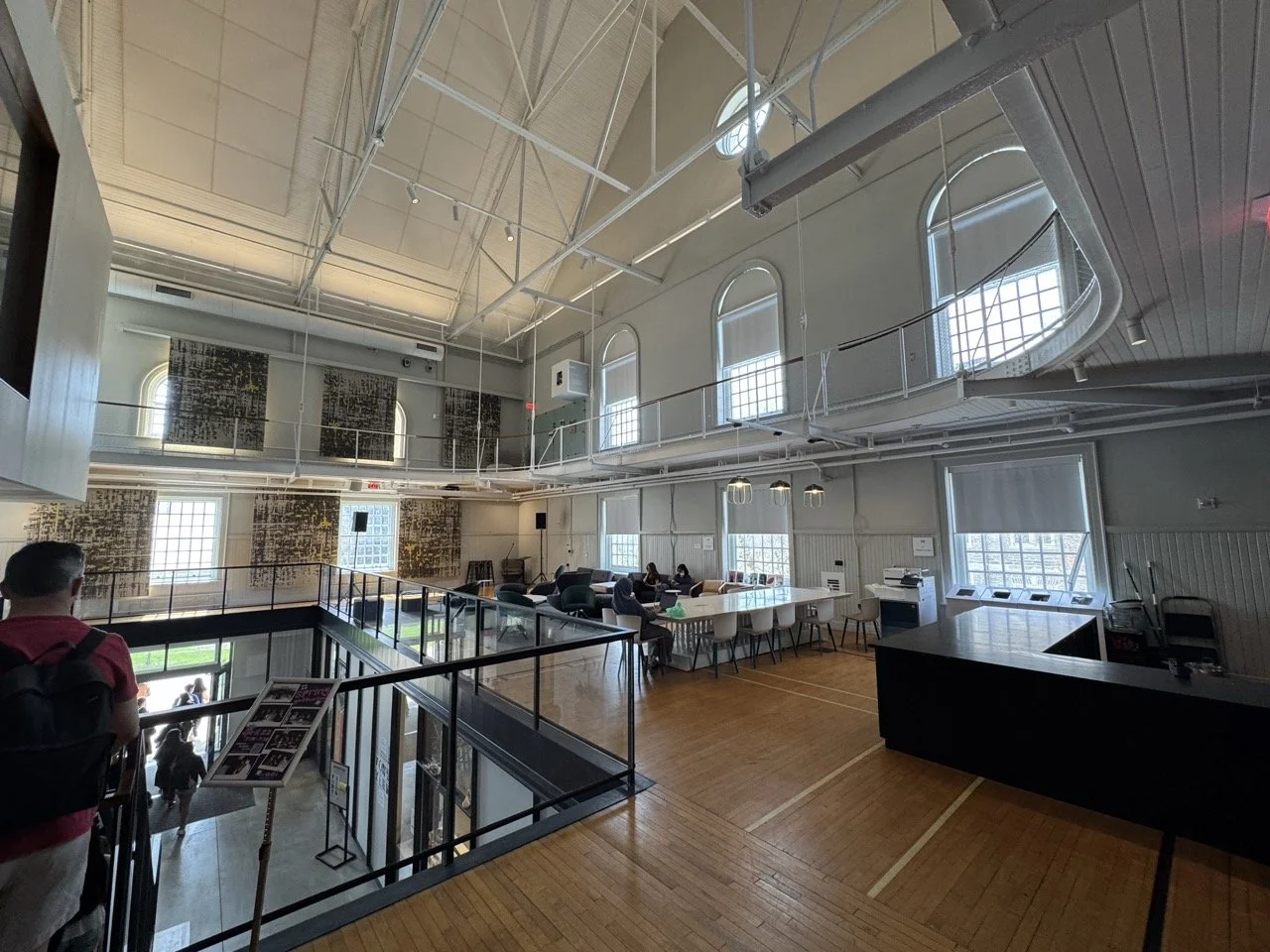
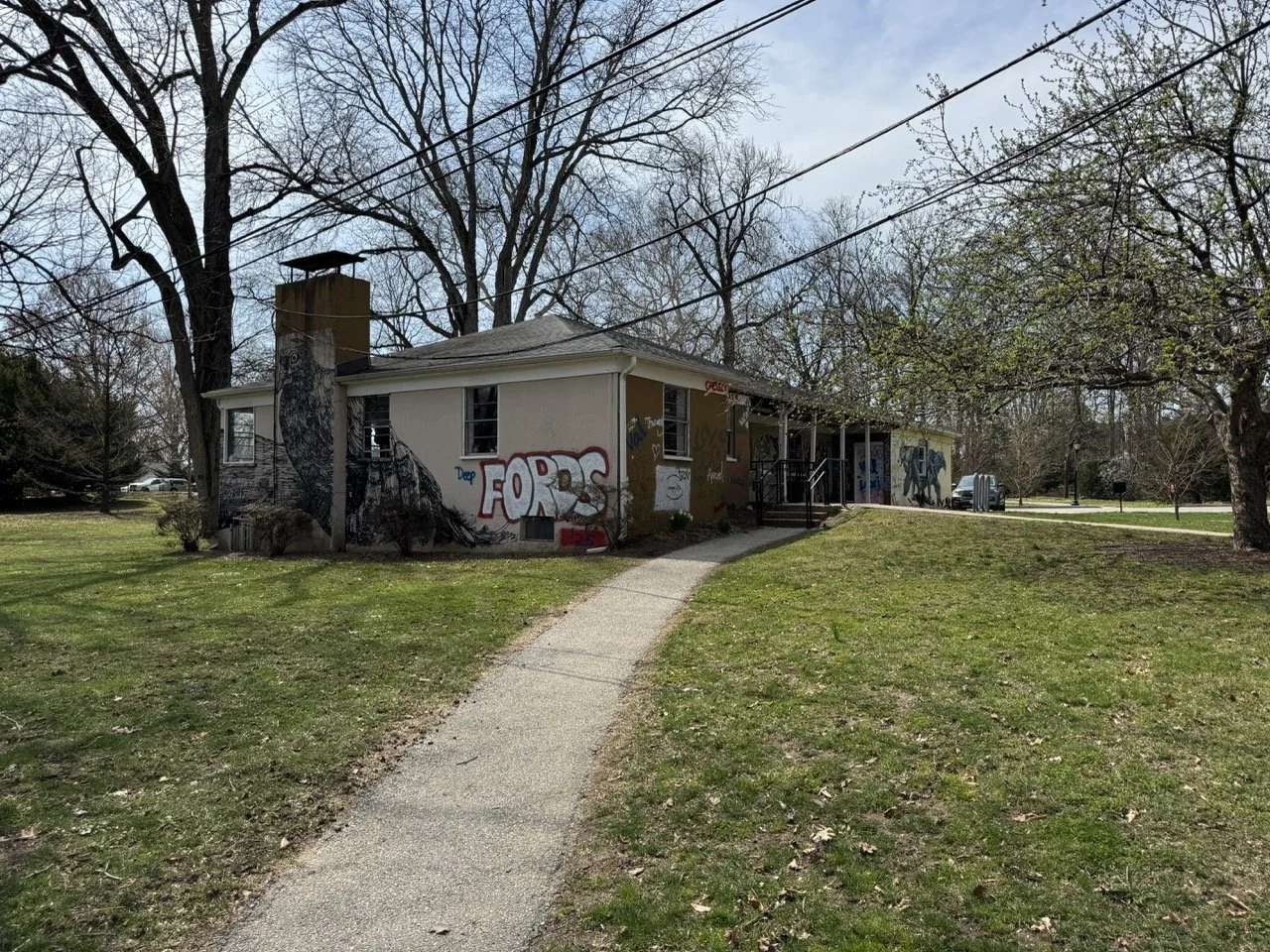
James House: student-run creative/art space
Collaborative, not competitive culture
Campus vibe: thoughtful, introspective, slightly “granola” but very engaged
Athletics
Athletics at Haverford are competitive but flexible, allowing students to balance sports, academics, and other interests.
Athletics Overview:
NCAA Division III athletics
~33% of students are varsity athletes
Unique offerings like varsity cricket
Students can participate in both varsity and club sports
No classes between 4:30–7pm to support athletics participation
Study abroad available for student-athletes
Historic note: first intercollegiate soccer match played here
Cost and Scholarships
Haverford is a high-cost institution upfront, but the financial aid is significant and makes it accessible for many families.
Cost & Aid Details:
Total cost of attendance: ~$89,000/year
50%+ of students receive financial aid
Average grant: ~$64,000
Meets full demonstrated need
Strong value for students pursuing graduate pathways
Fun Facts / Traditions
Haverford’s personality shows up in the details - it’s thoughtful, student-driven, and just a little bit quirky.
Campus Culture & Traditions:
Campus speed limit is 13 mph (based on a student research thesis!)
Exams are self-scheduled within a week-long window
Students don’t openly discuss grades as the focus is on learning, not comparison
1/3 of faculty live on campus, increasing accessibility and mentorship
Arboretum campus with a 6:1 tree-to-student ratio
Final Thoughts: Who Would Thrive at Haverford?
Haverford is an incredible fit for students who are intellectually curious, self-motivated, and value community over competition. It’s not about being the loudest voice - it’s about being thoughtful, engaged, and committed to growth.
Ideal Student Profile:
Students who love discussion-based, research-driven learning
Those interested in graduate school or academic pathways
Students who value trust, independence, and responsibility
Individuals who thrive in collaborative environments
Students who want small classes but big academic opportunities
Those who appreciate a quiet, reflective campus with city access