Tour Tuesday: Carnegie Mellon University
Build, Create, Innovate (and Maybe Paint the Fence)
Overview
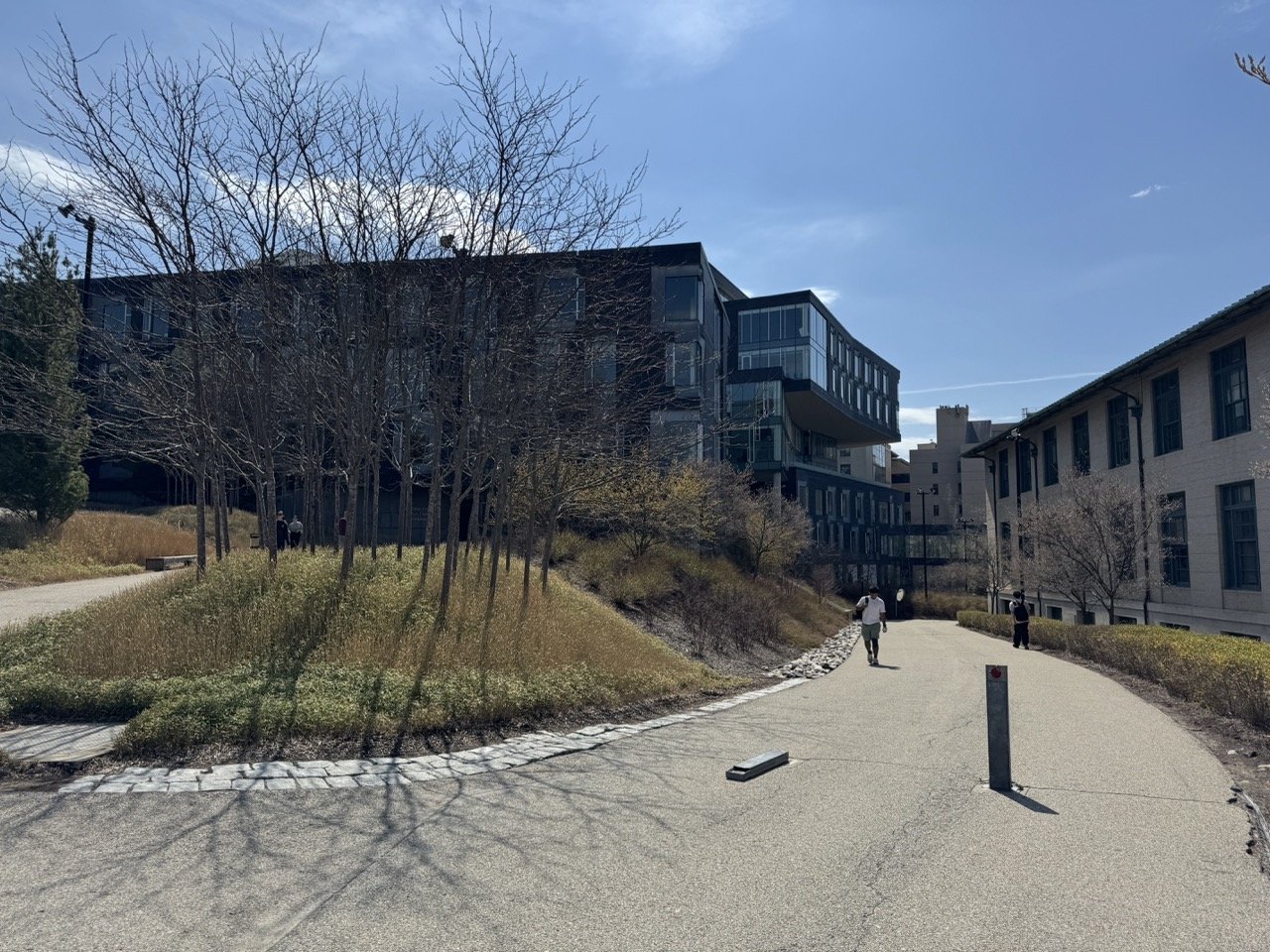
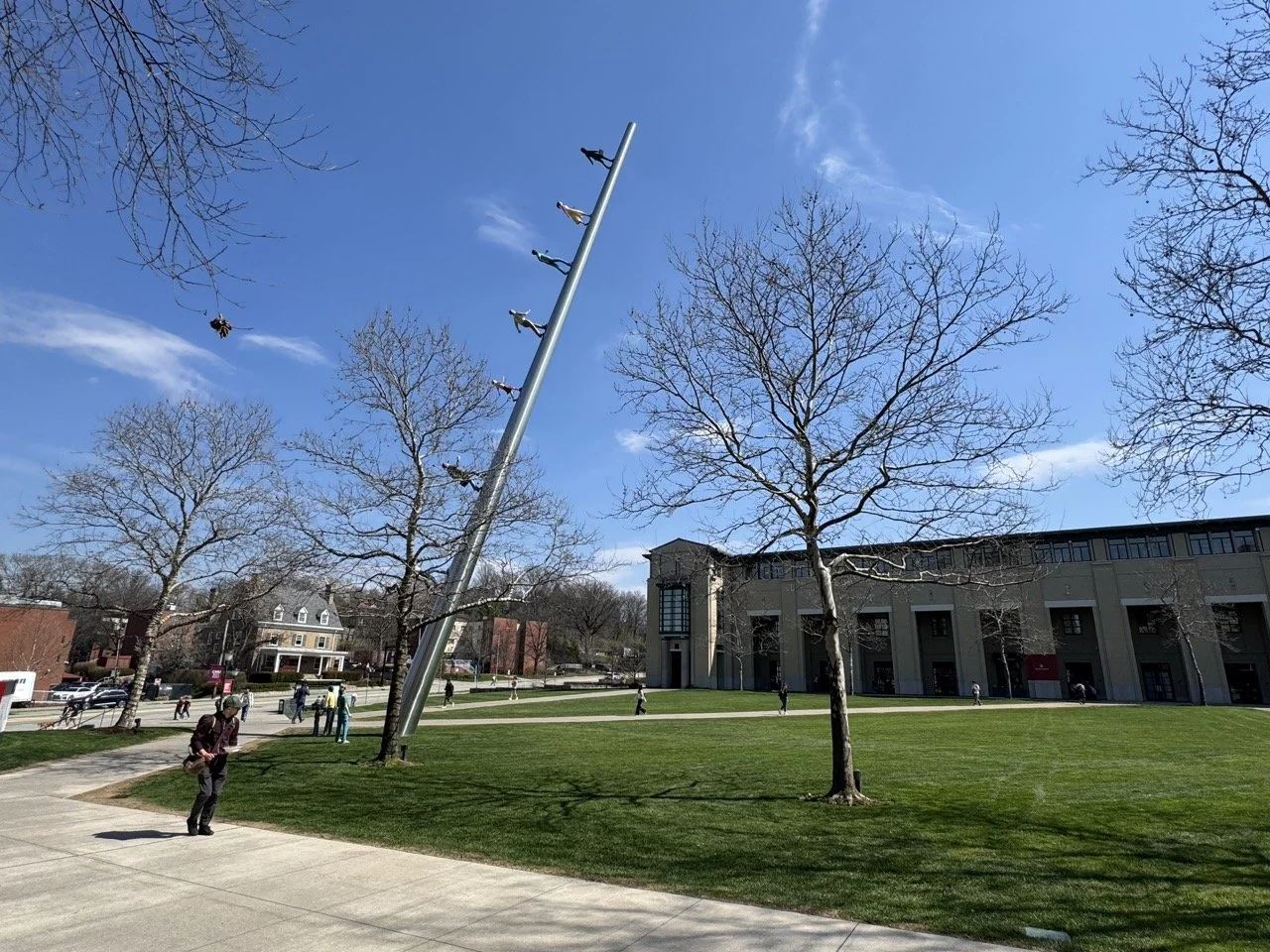
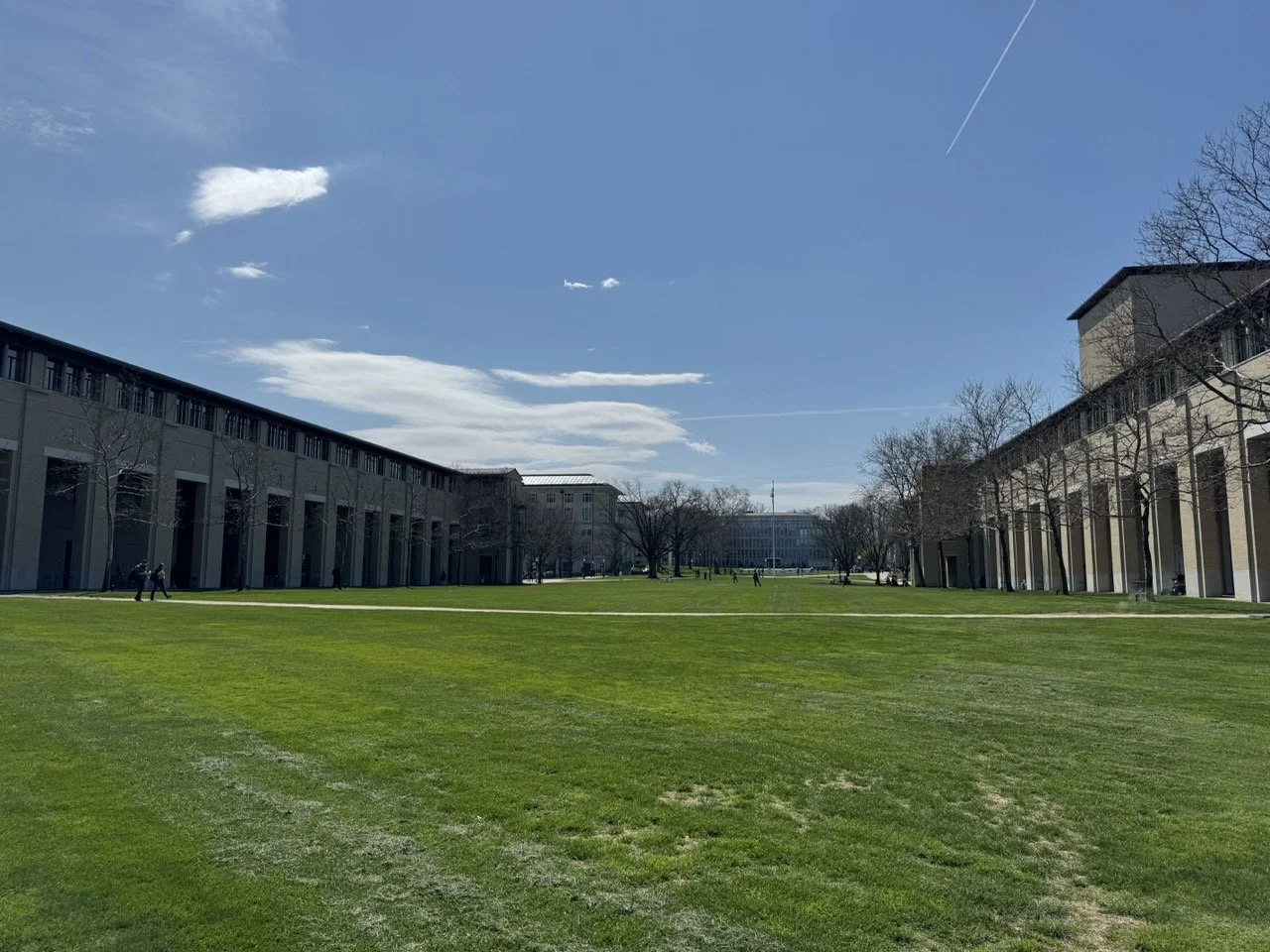
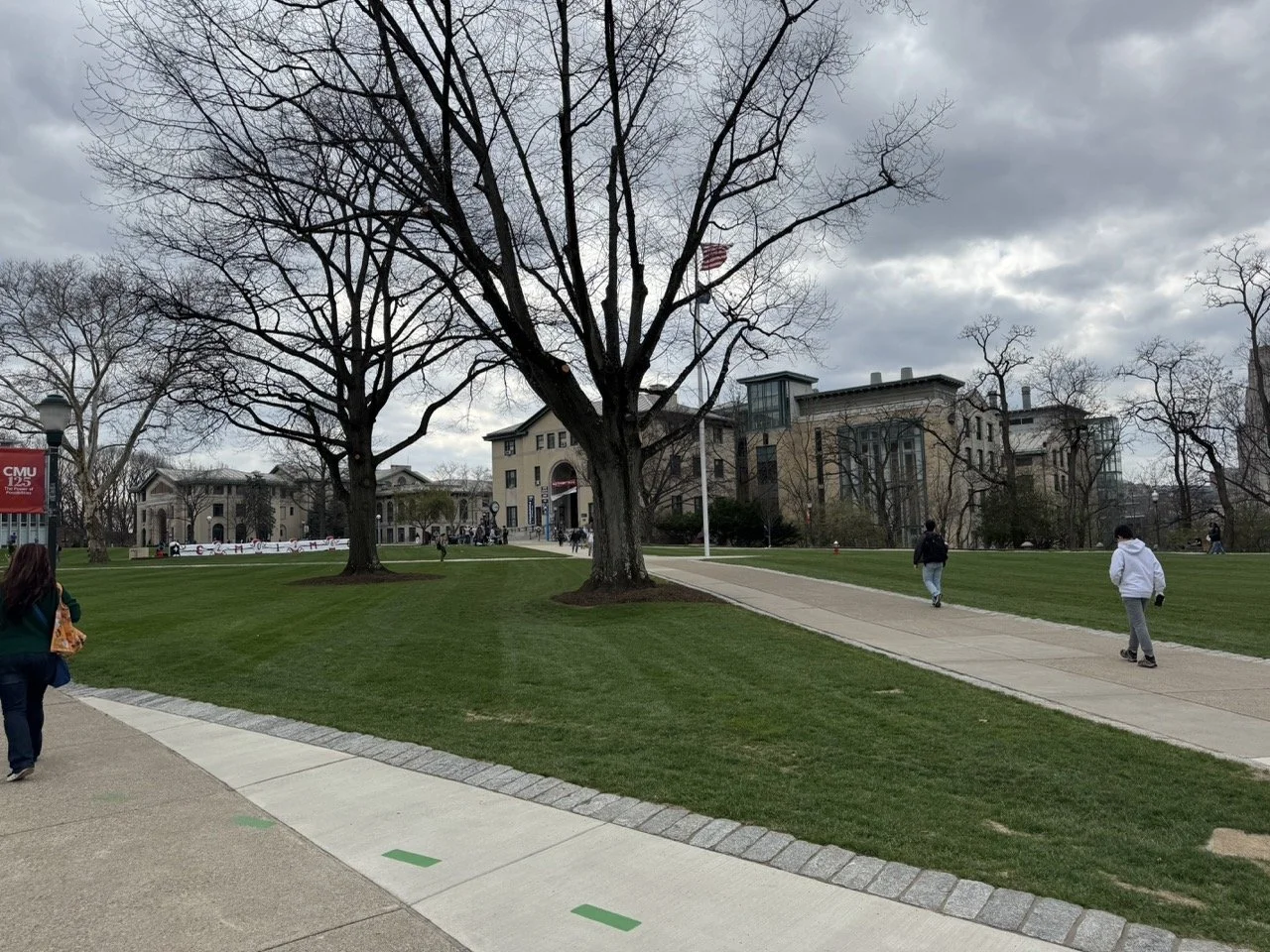
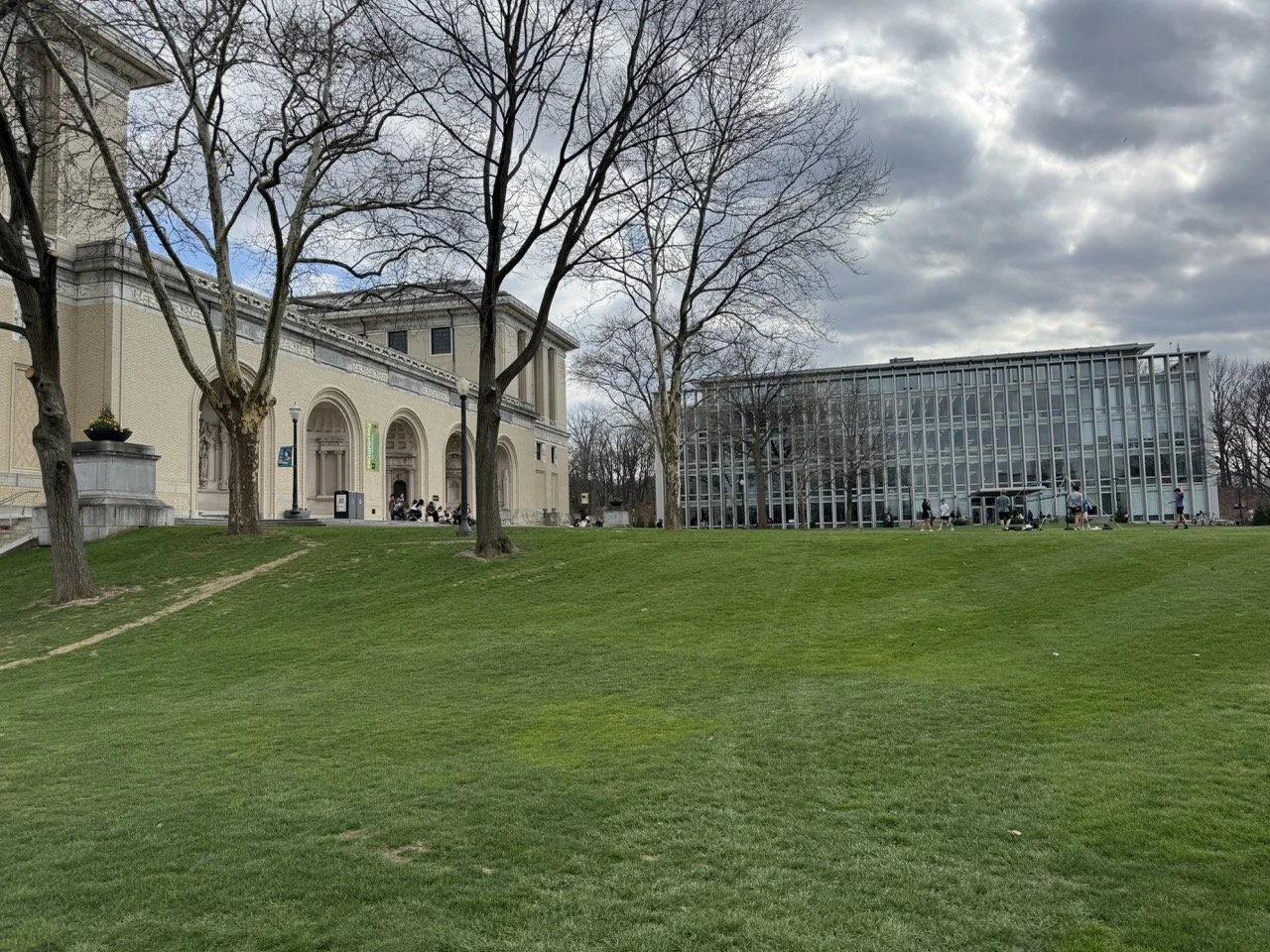
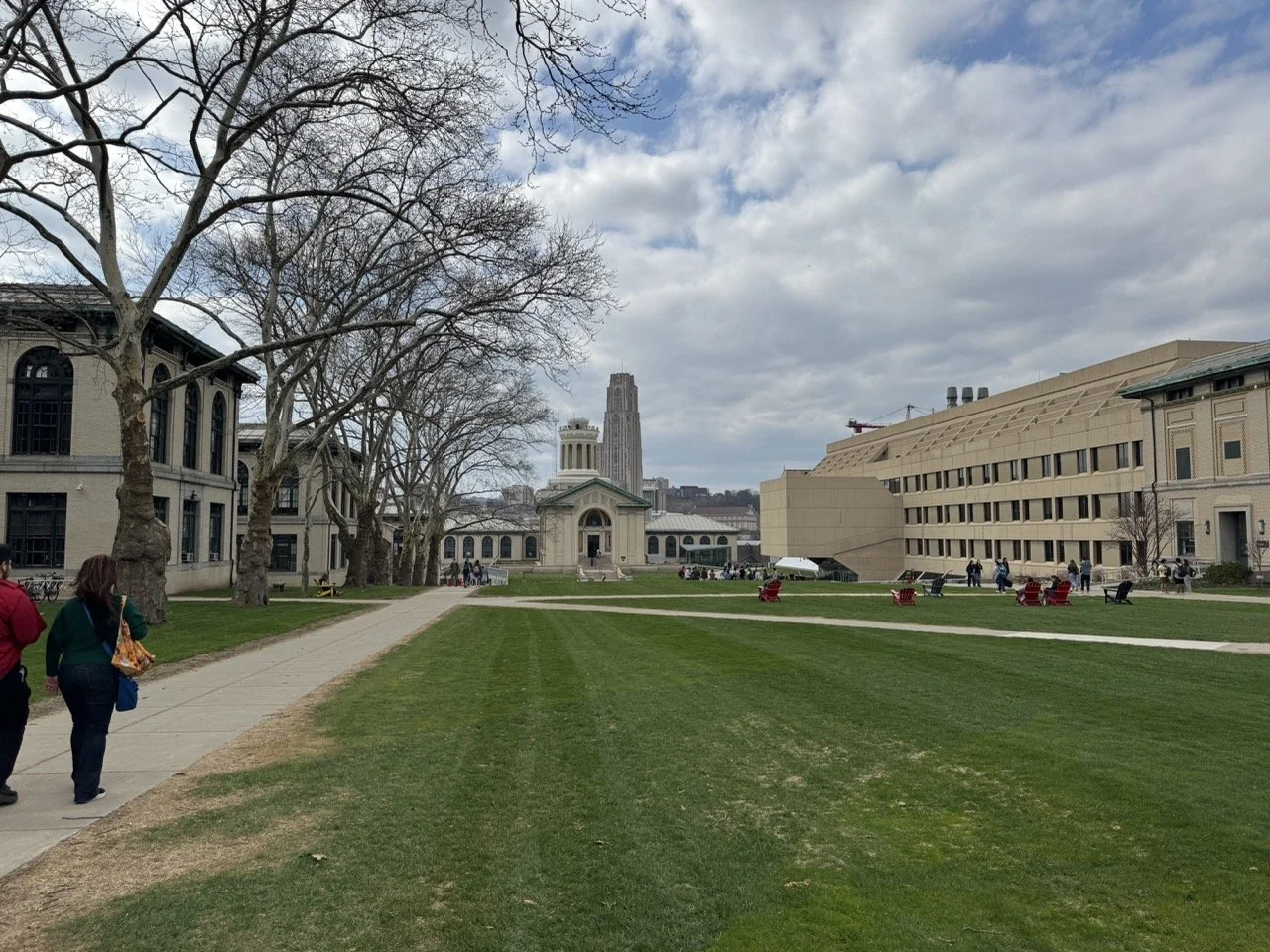
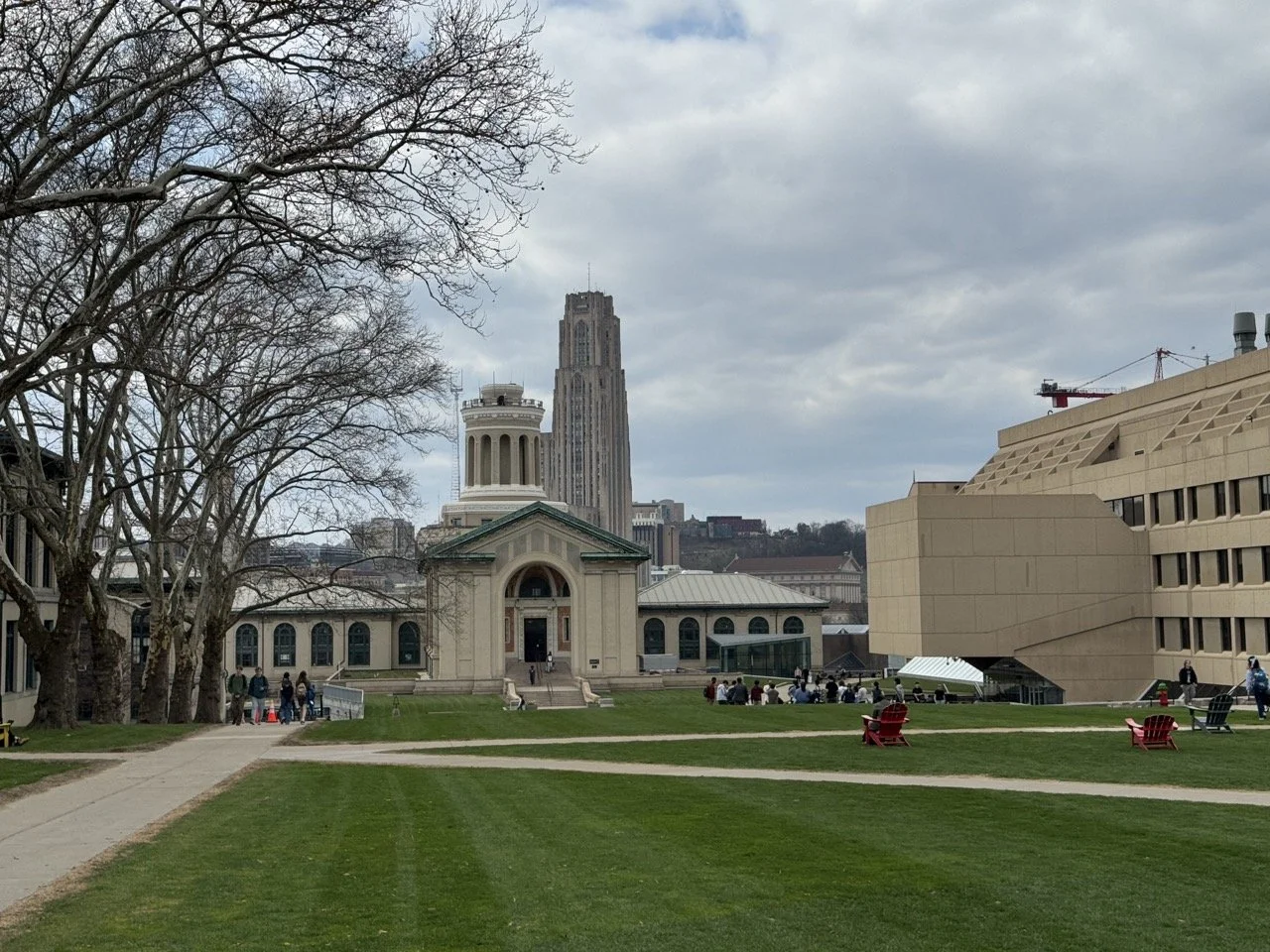
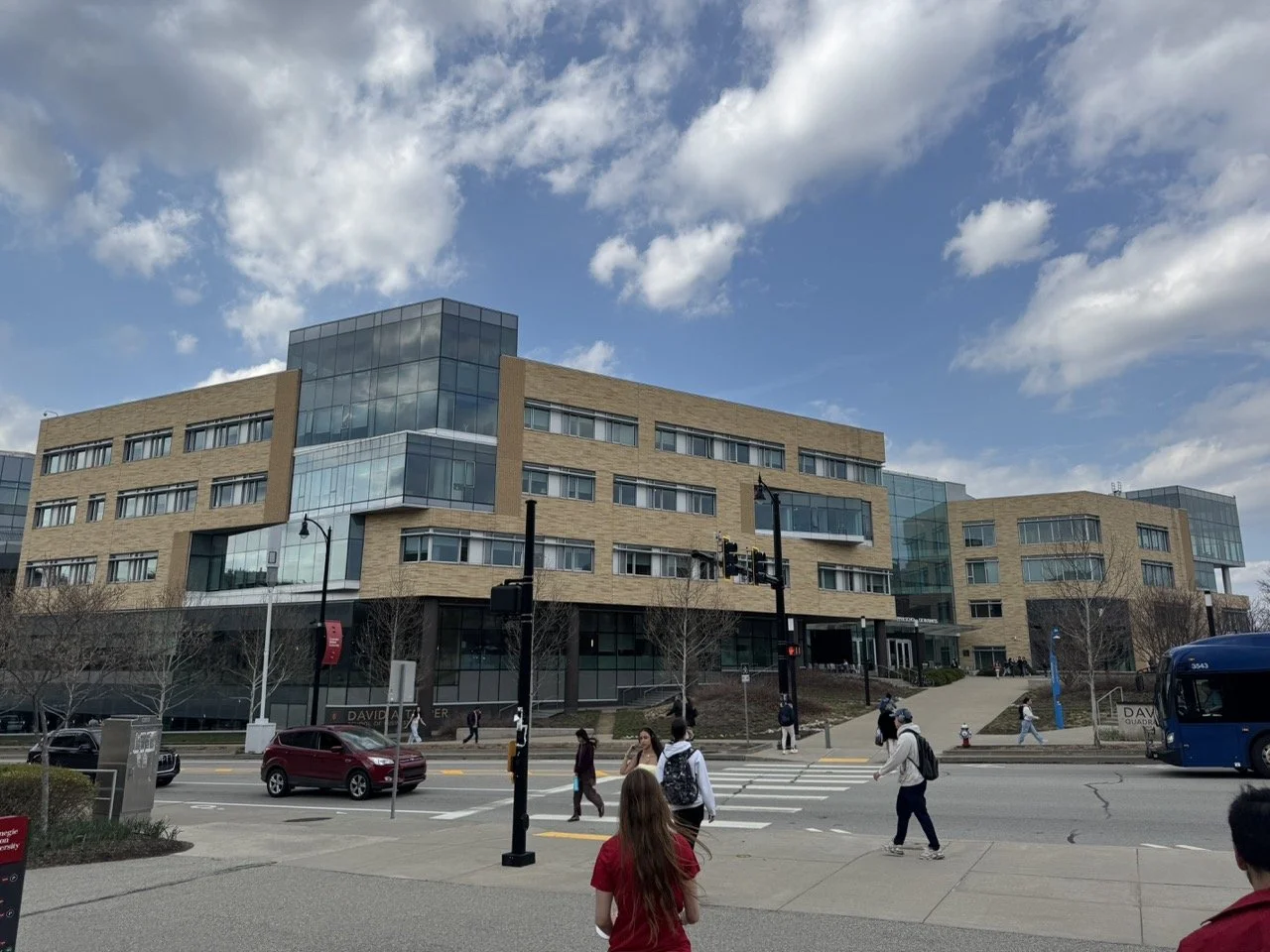
Carnegie Mellon is one of those places where ideas don’t just stay ideas - they get built. Located in Pittsburgh, CMU blends world-class academics with a maker culture that pushes students to create, test, and launch. With about 7,000 undergraduates in a 14,000 total student body, CMU feels both intimate and intensely driven. This is a campus where collaboration, creativity, and problem-solving take center stage, whether you’re coding, designing, researching, or building something entirely new.
Quick Look:
Private research university in Pittsburgh, PA
~7,000 undergraduates (~14,000 total students)
Known for computer science, engineering, fine arts, and business
Direct admit to college/program of choice
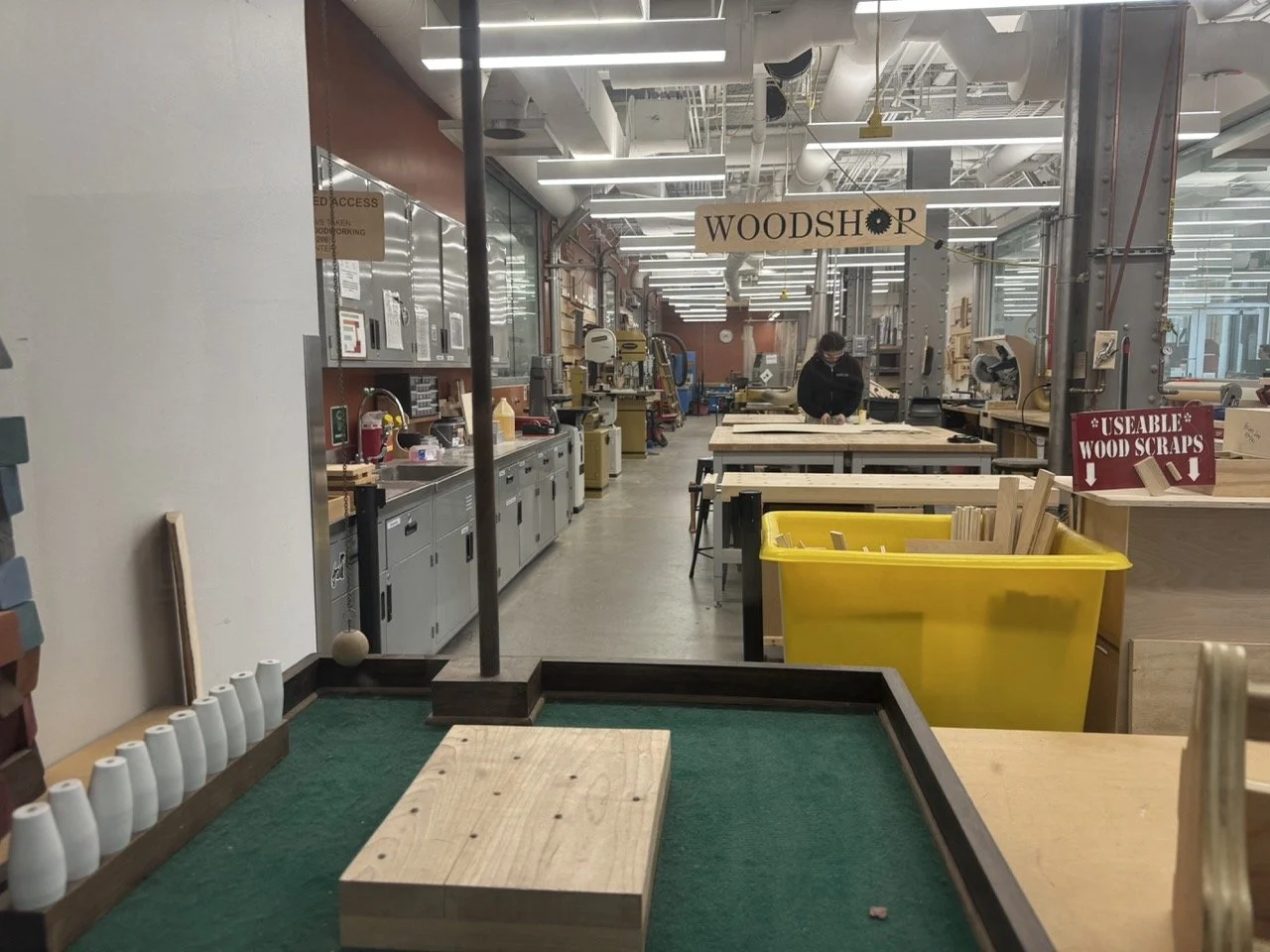
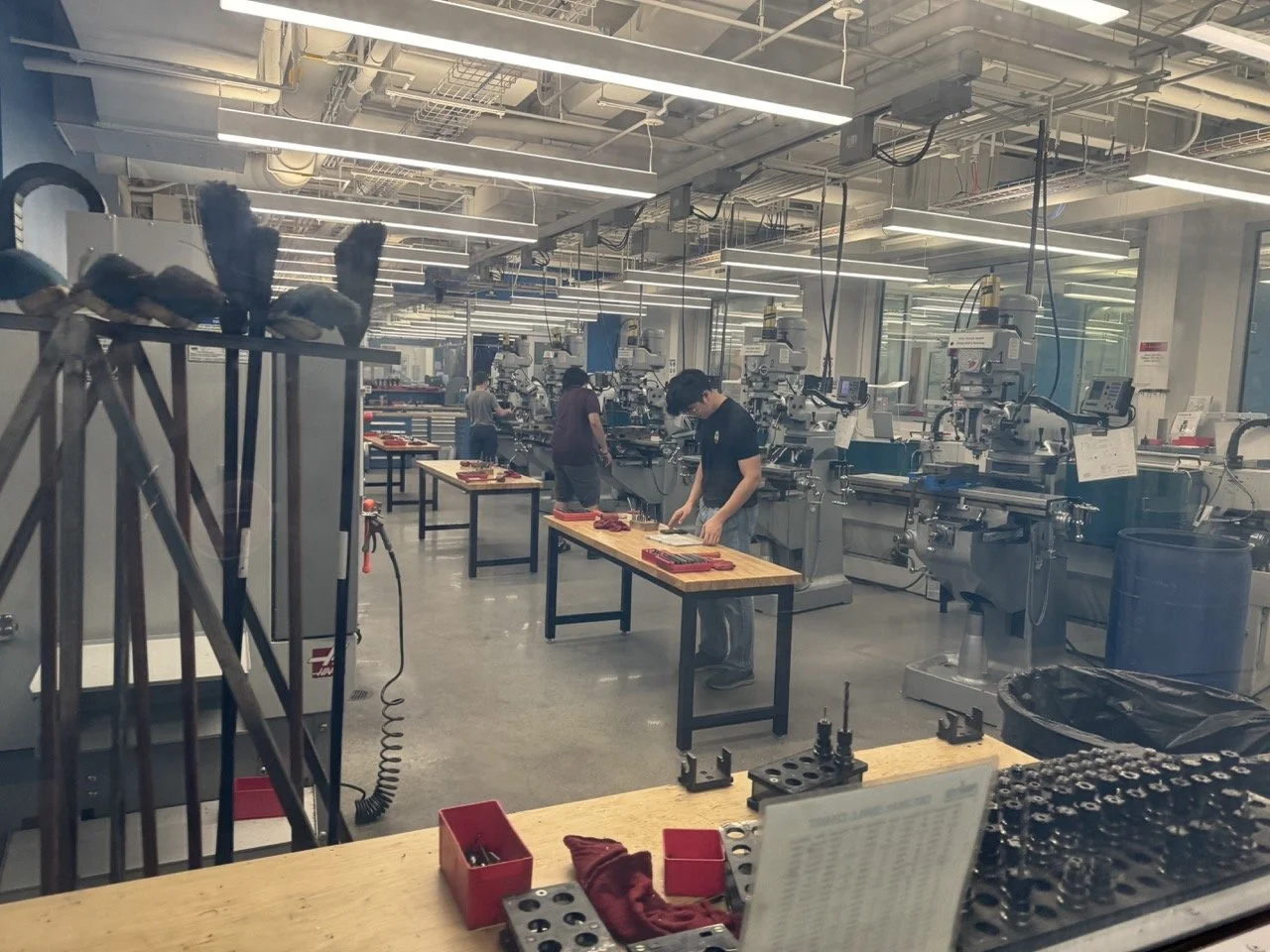
16+ maker spaces available to students
Study abroad opportunities on all 7 continents
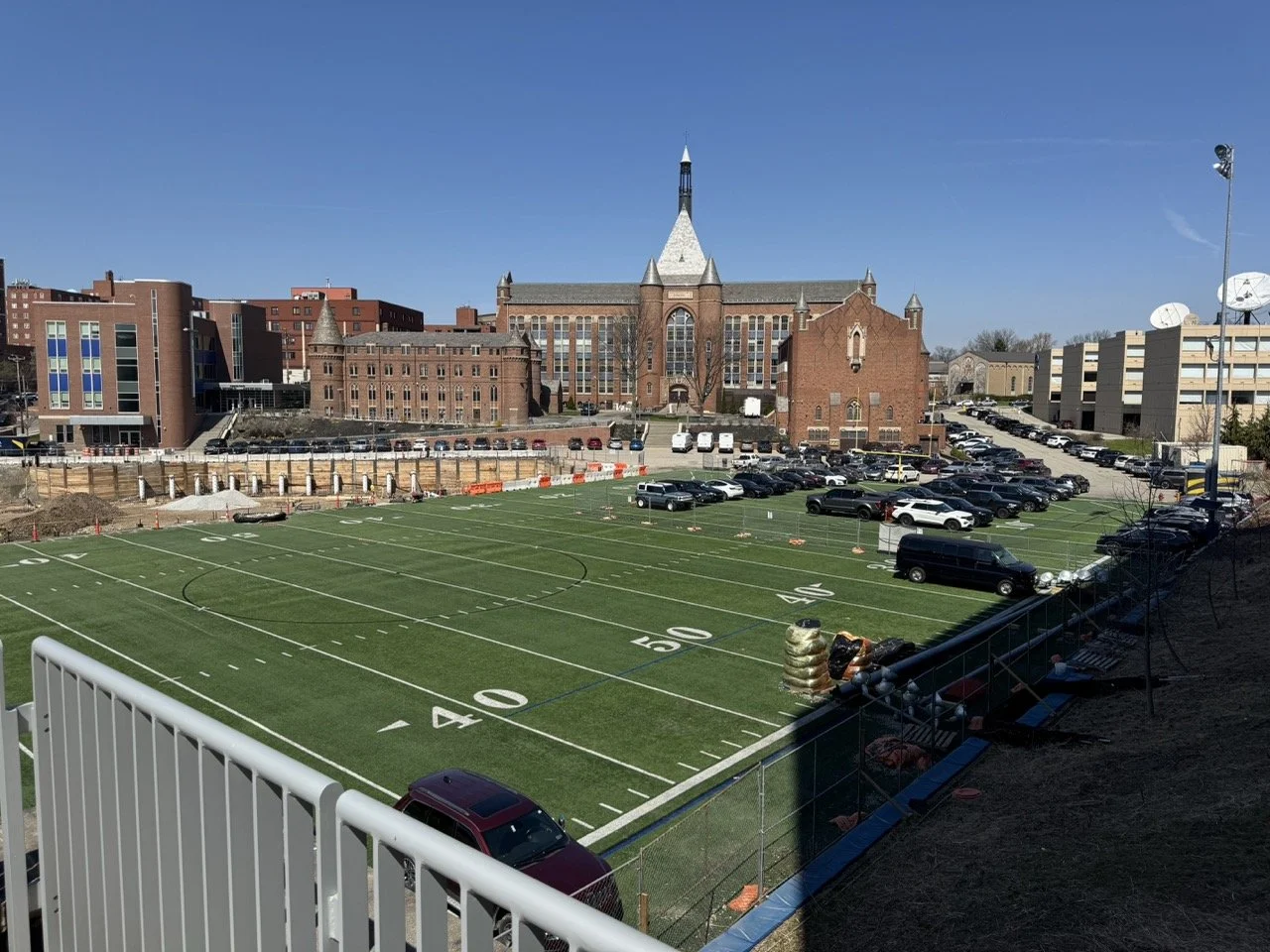
NCAA Division III athletics
Need-blind for U.S. applicants; no merit scholarships
Location
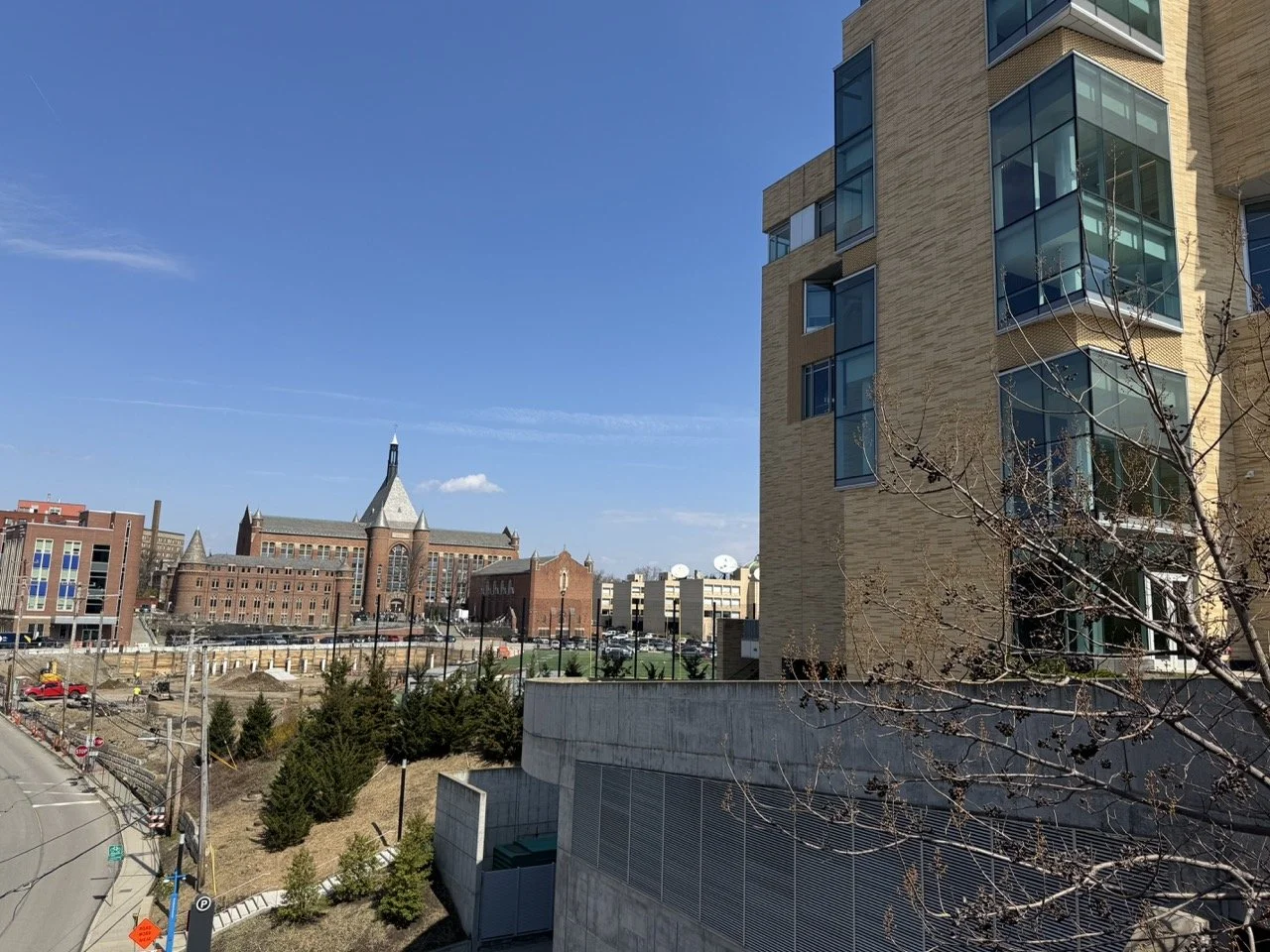
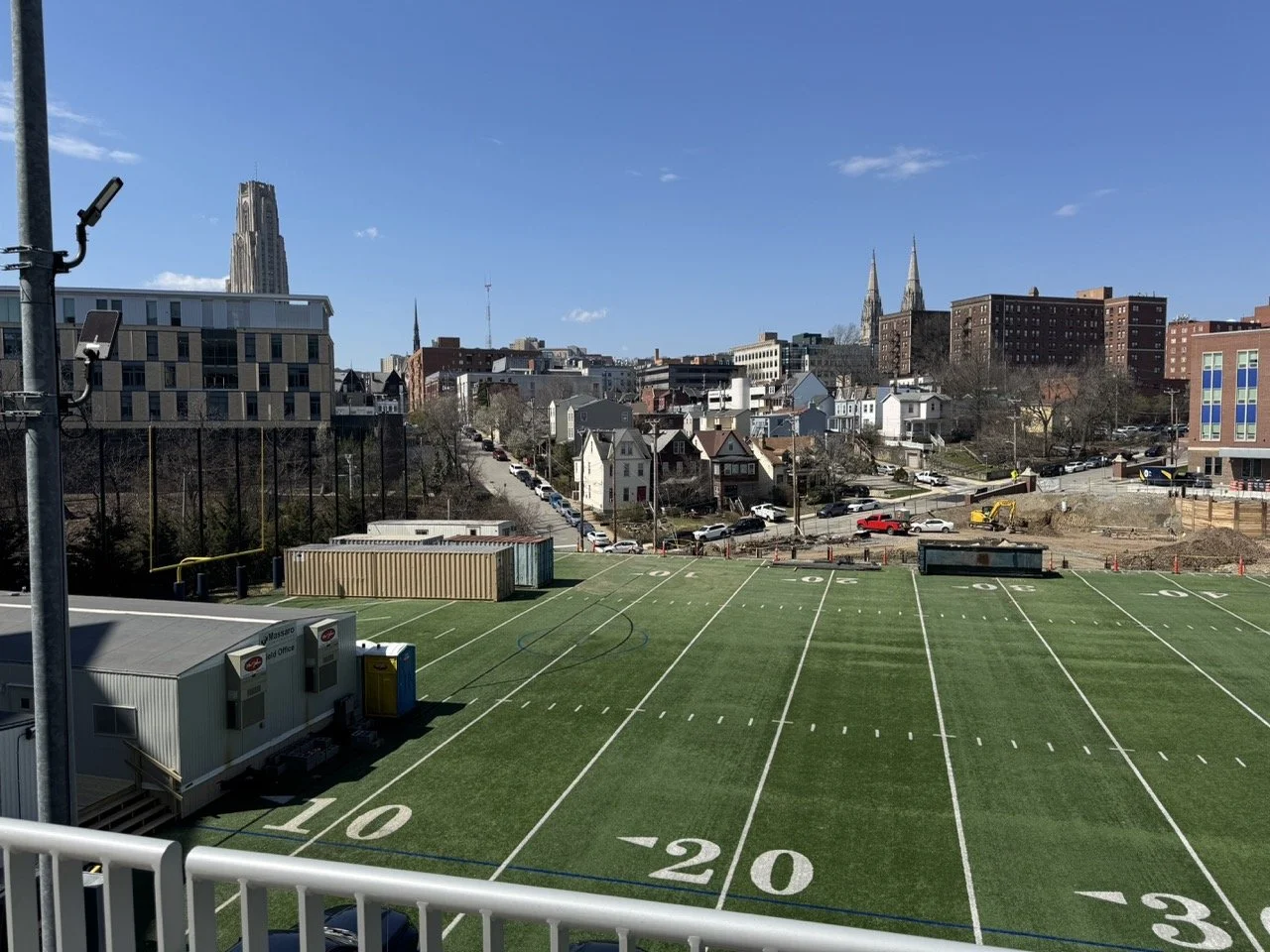
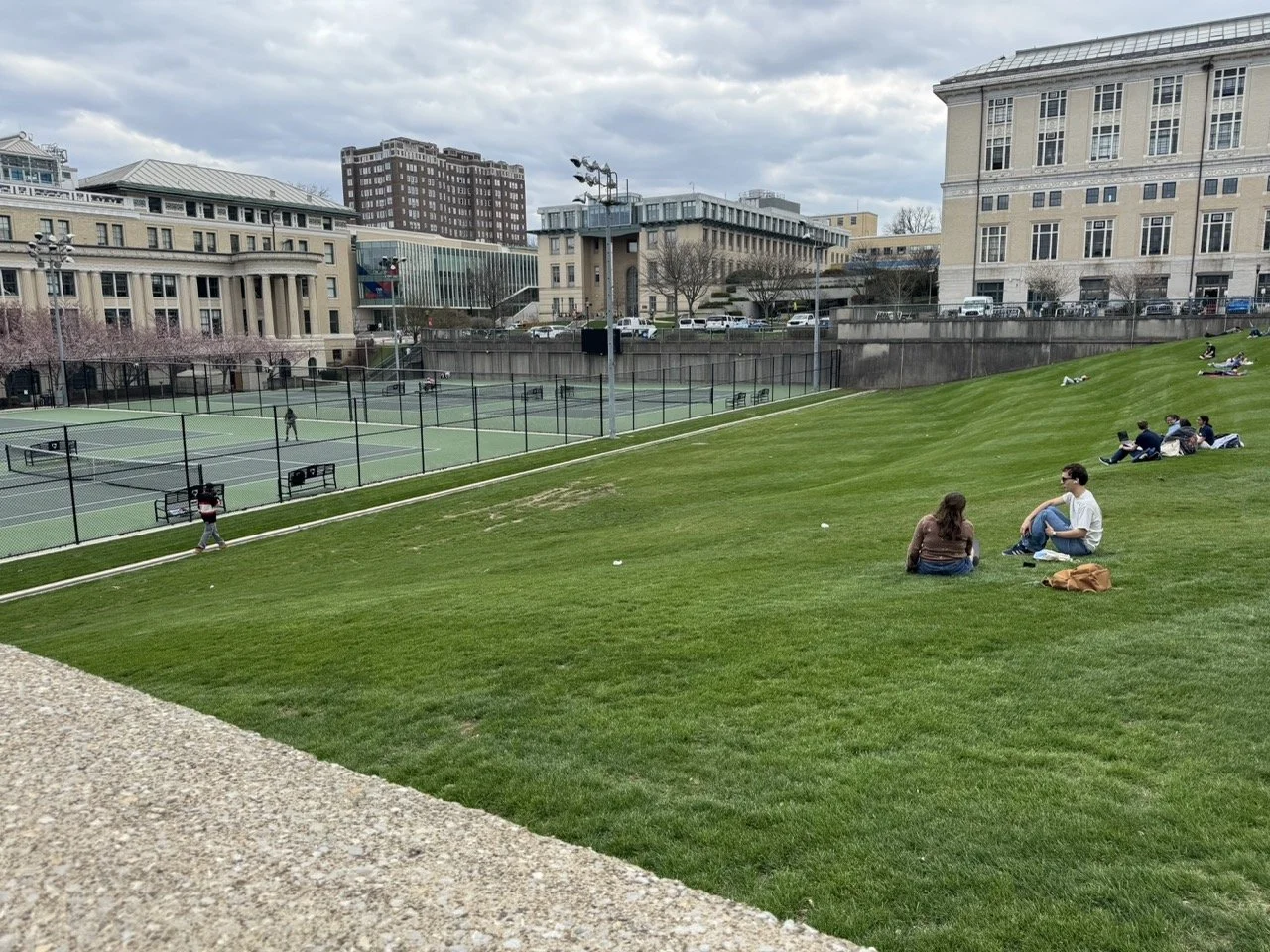
Carnegie Mellon shares Pittsburgh’s Oakland neighborhood with Pitt, giving students access to a vibrant academic hub while still maintaining its own distinct identity. The city itself is a hidden gem for internships, startups, and tech innovation as a home to companies like Google, Duolingo, and major healthcare systems.
Location Highlights:
Located in Pittsburgh’s Oakland neighborhood
Access to major employers like UPMC, PNC, Google, Duolingo
Free public transportation with CMU ID
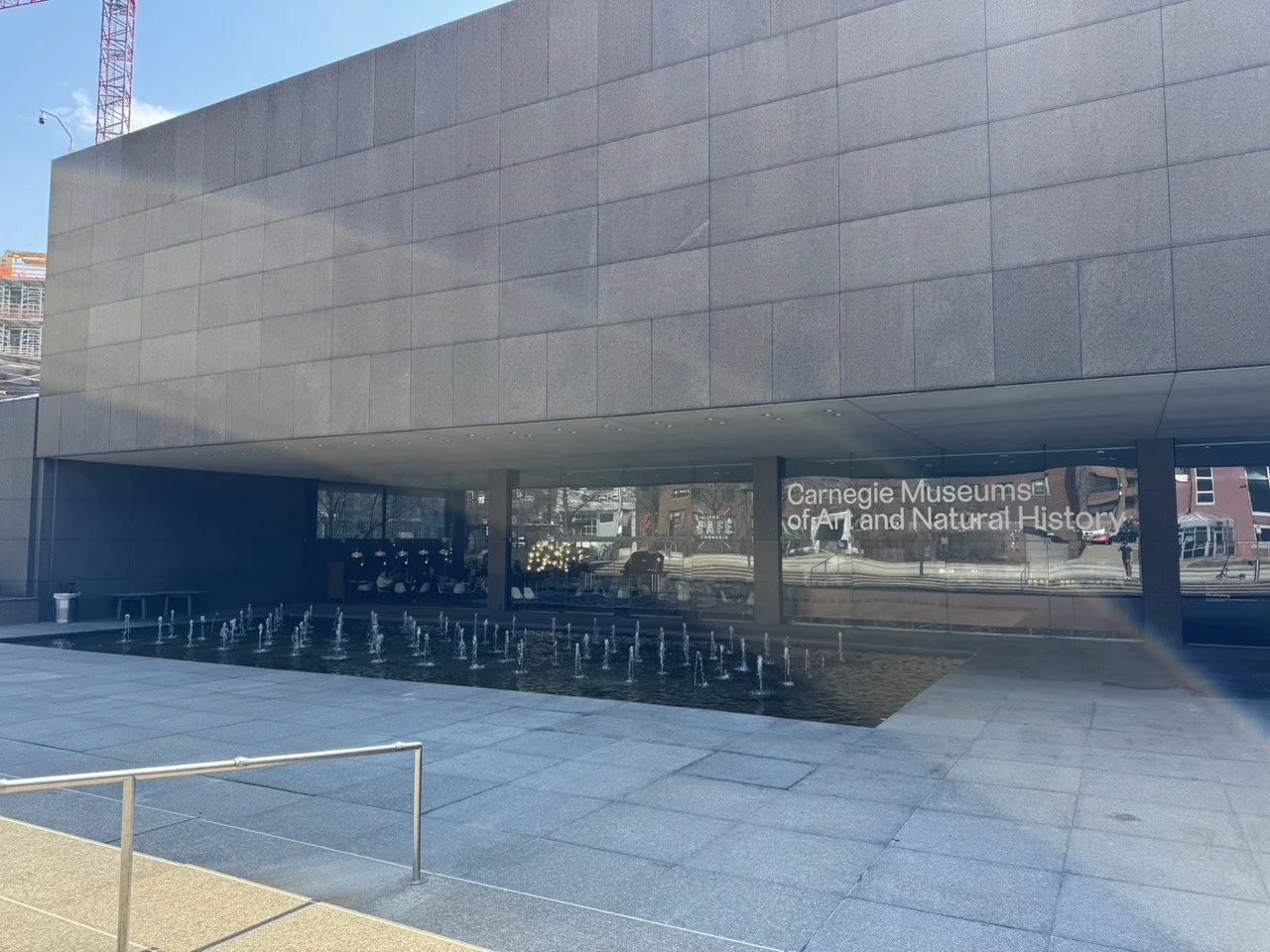
Free or discounted access to museums across the city
Strong internship pipeline tied to local industry
Admissions Information
Admissions at Carnegie Mellon are highly intentional. Students apply directly into a specific college, and the evaluation process focuses less on raw GPA and more on rigor, depth, and alignment with your intended field.
Admissions Details:
Apply directly to a specific college/program
Two letters of recommendation required (teacher + counselor)
Emphasis on course rigor and performance in relevant subjects over GPA alone
Activities: depth and impact matter more than quantity
Testing policies vary:
Computer Science: testing required
Fine Arts: test optional
Other programs: test flexible (AP/IB/A-Levels accepted in lieu of SAT/ACT)
Optional materials include advanced coursework certifications (e.g., Schoolhouse.world)
Academic / Major Information
CMU is built around interdisciplinary innovation. Whether you’re in engineering, computer science, fine arts, or humanities, the goal is the same: apply knowledge to real-world problems. The academic structure encourages both specialization and creative crossover.
Academic Highlights:
Colleges include: Engineering, Fine Arts, Humanities & Social Sciences, Science, Computer Science, Information Systems, Business, and more
Engineering allows students to start undecided and specialize later
Hands-on learning is central. Students use maker spaces early and often
Computer Science includes AI, robotics, human-computer interaction, and more
Fine Arts is pre-professional and portfolio-driven
Information Systems blends tech with real-world problem solving (junior-year consulting project)
80–90% of students participate in research
Business students must pair their degree with a minor or second concentration
BXA programs fuse arts with another discipline into one integrated degree
Housing and Student Life
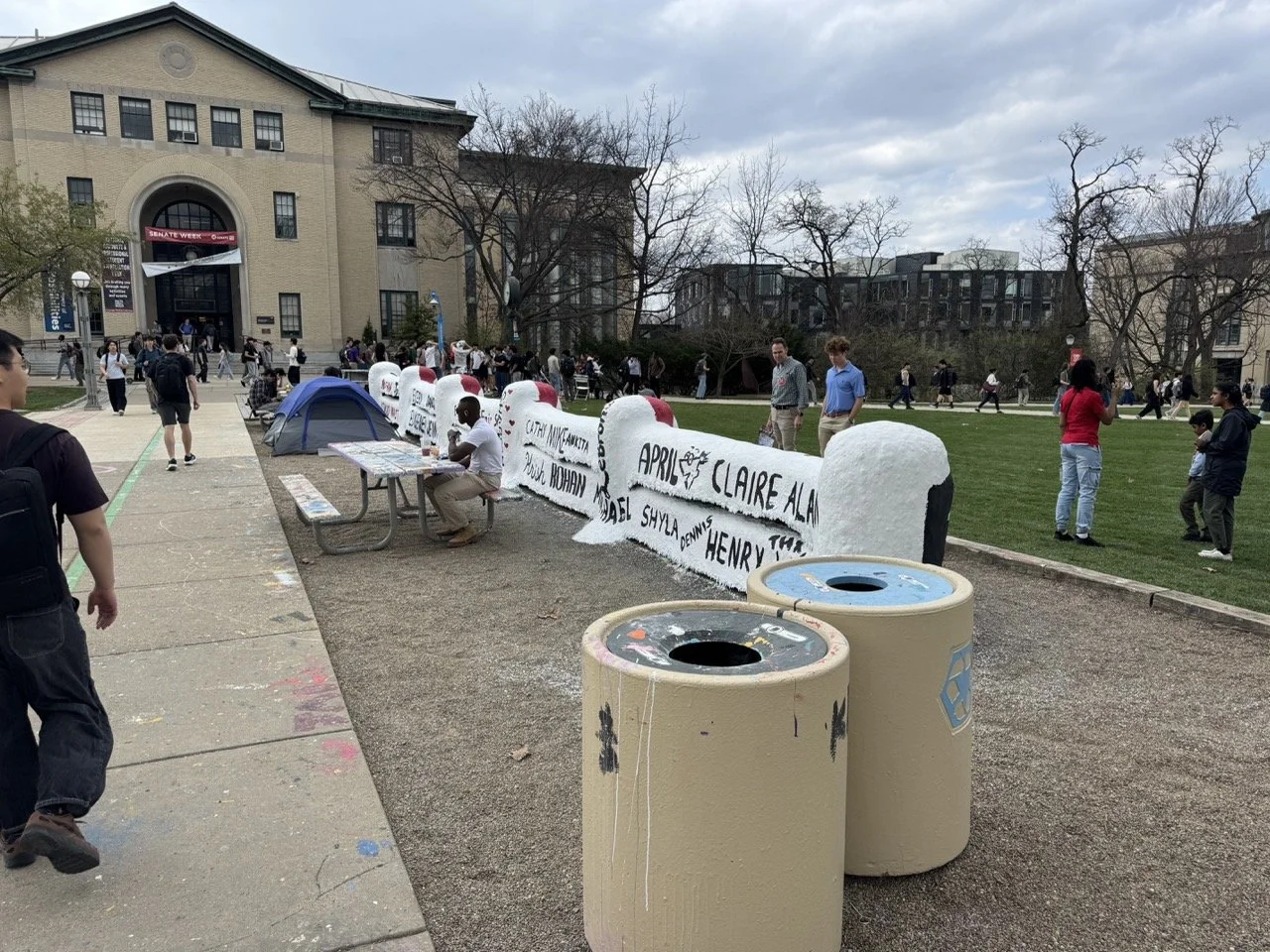
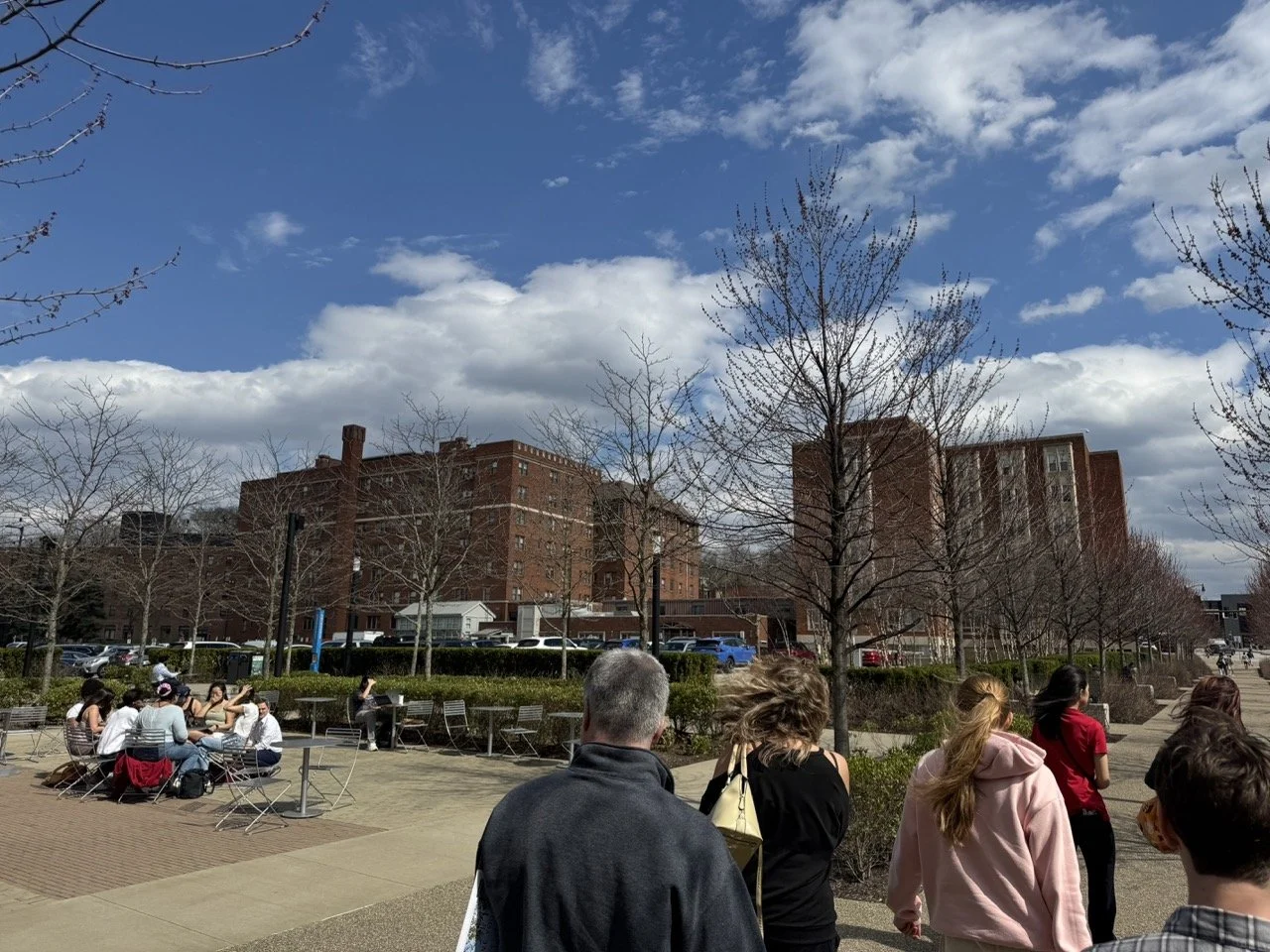
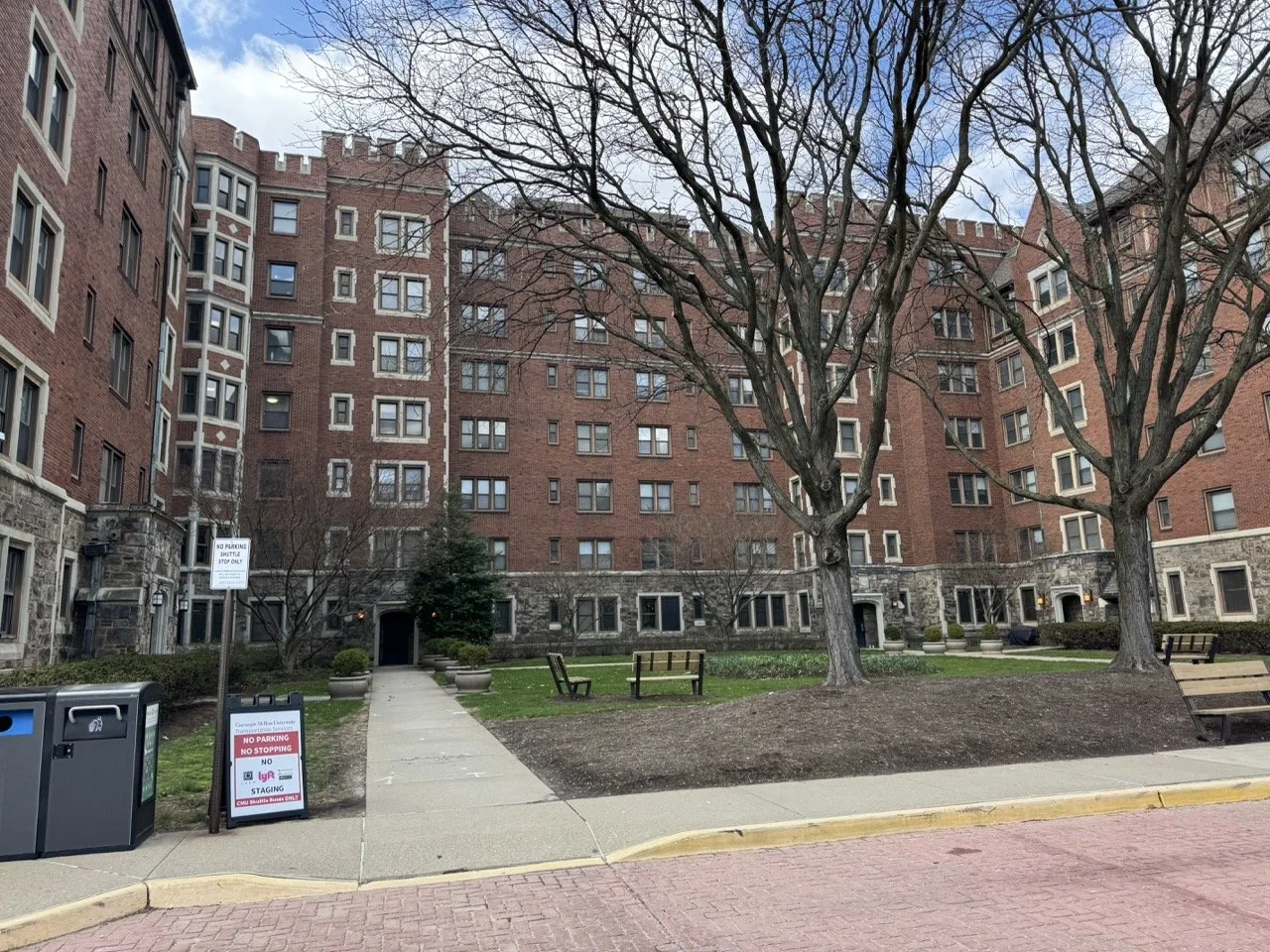
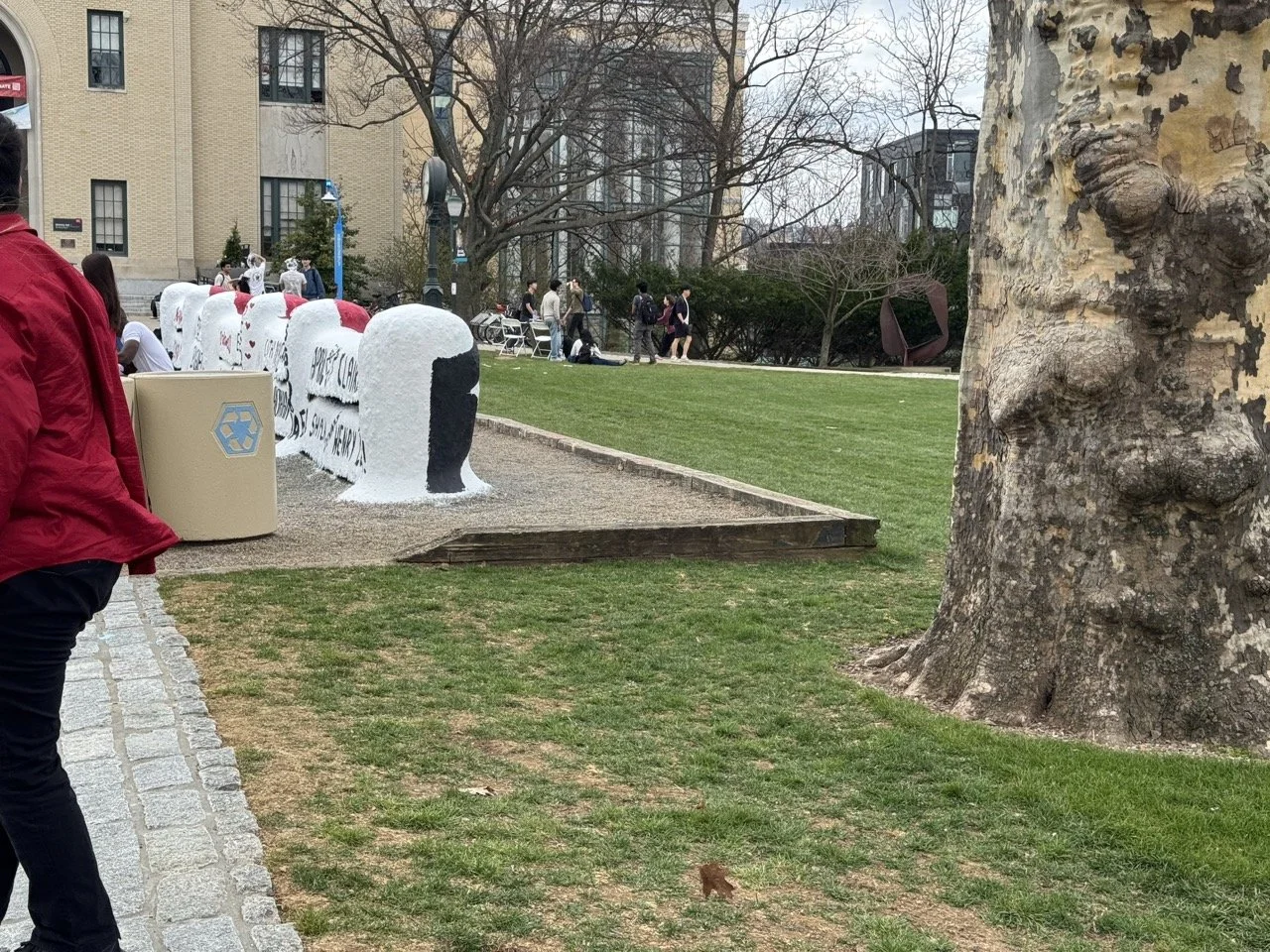
Life at CMU is creative, quirky, and deeply community-driven. Students are encouraged to express themselves, sometimes literally, like painting the iconic campus fence.
Housing & Campus Life Highlights:
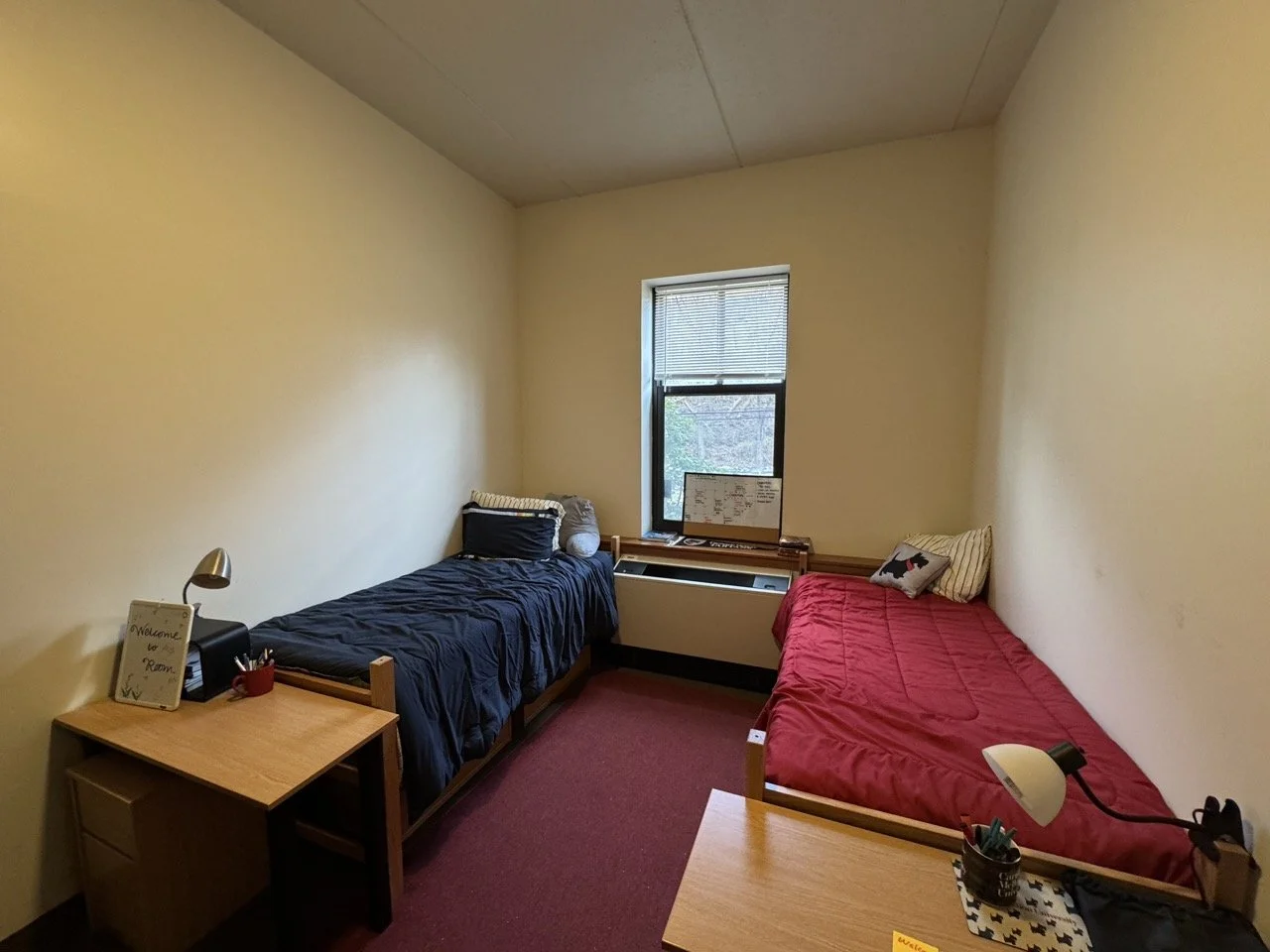
Freshman housing required. Housing guaranteed all four years
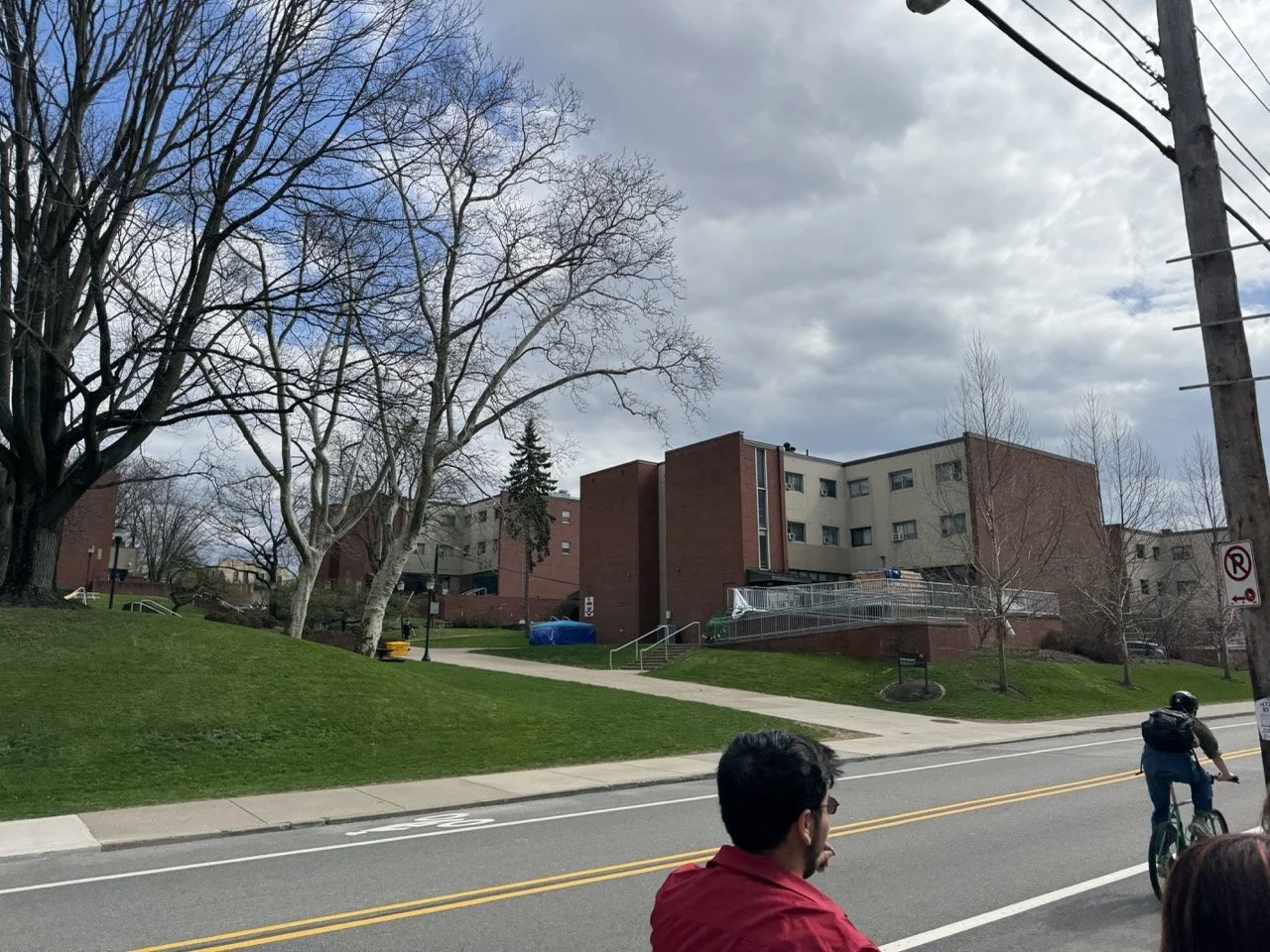
Housing styles include: communal, semi-suite, and apartment-style
Each dorm has its own theme and personality
Free laundry for students
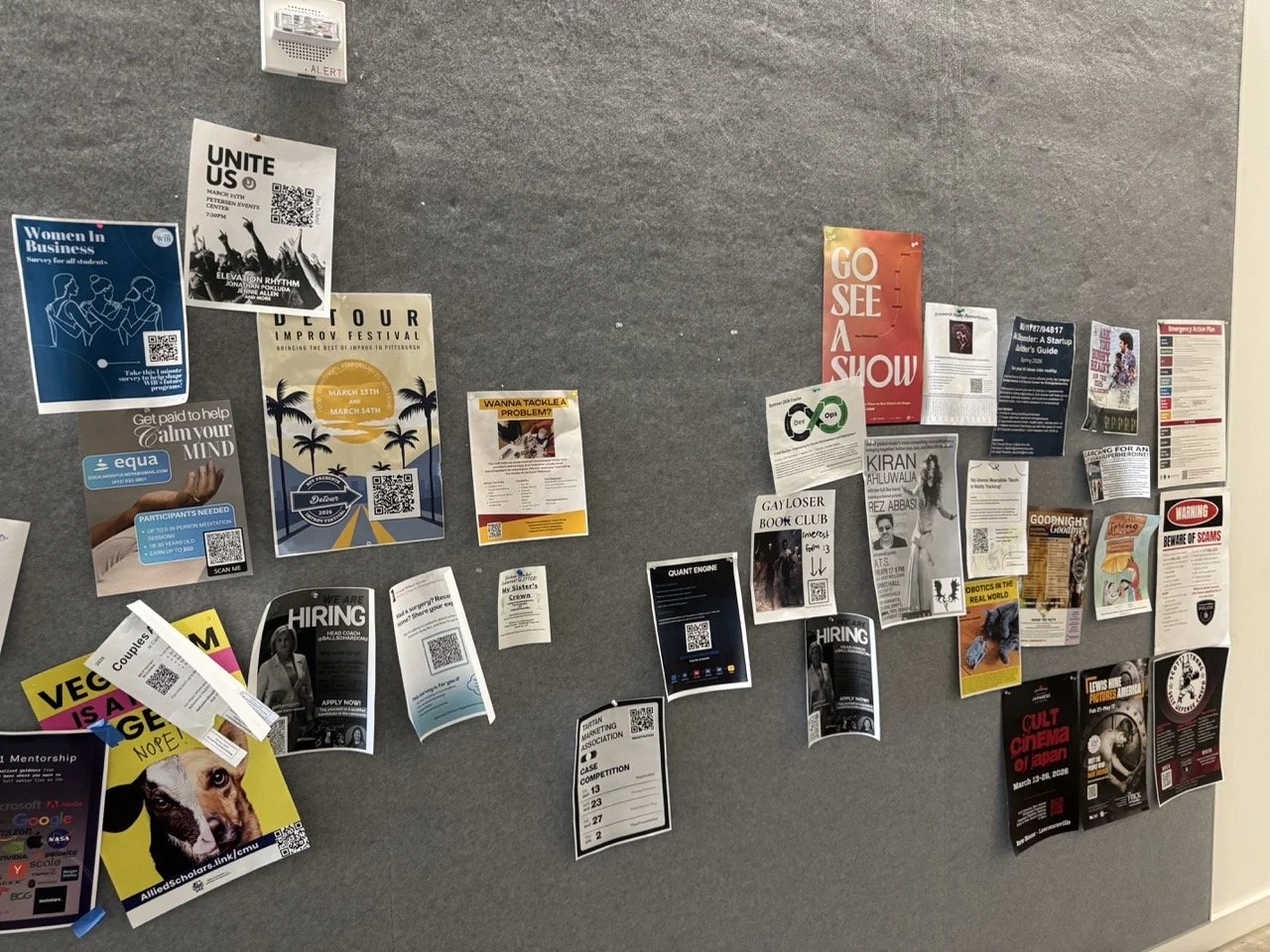
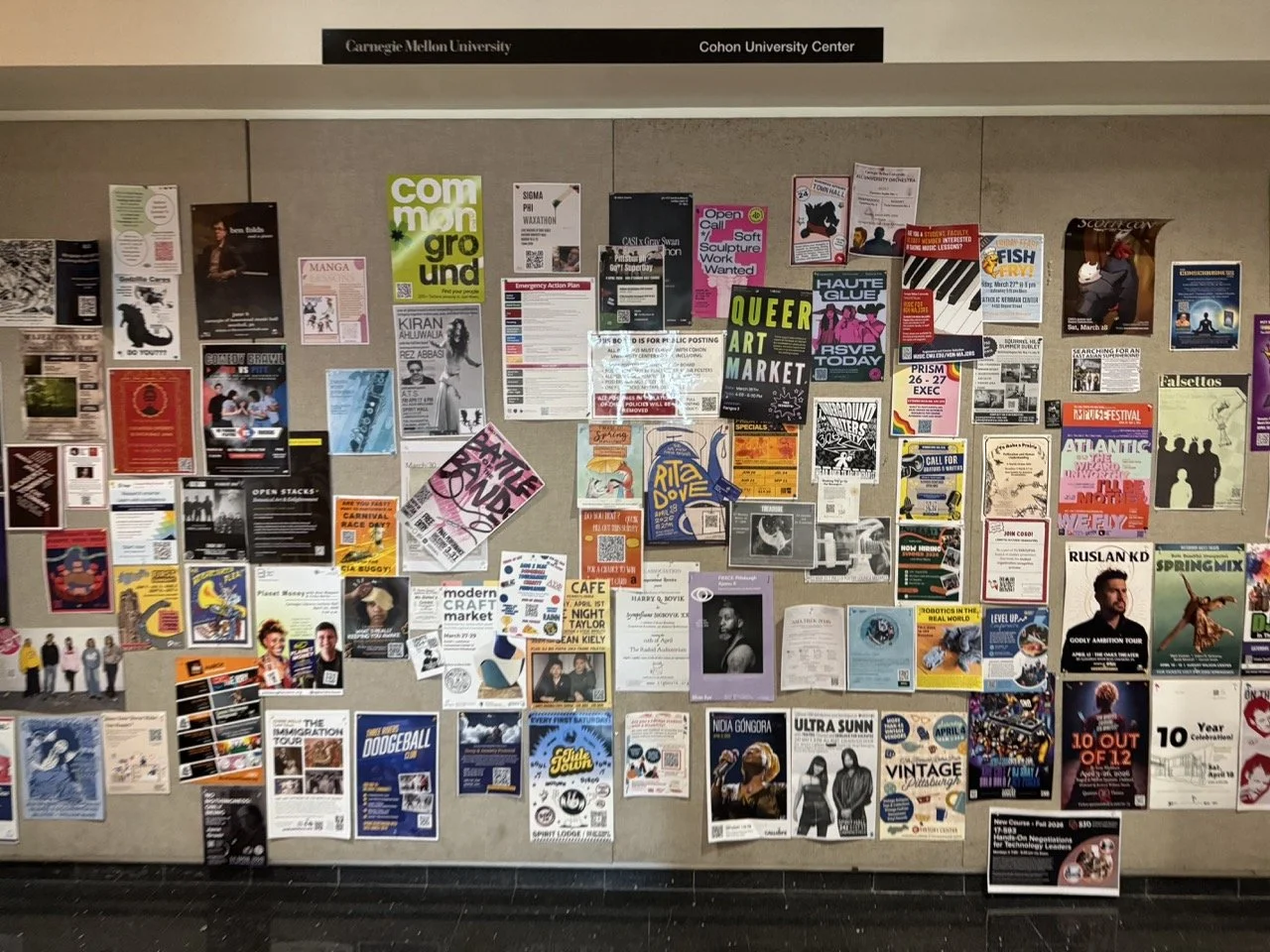
350+ clubs and organizations open to all students
Study abroad available on all 7 continents (even for athletes)
Free bus access with student ID
Unique traditions:
Painting the Fence (must "guard" it overnight to claim it)
Spring Carnival (3-day campus-wide event with two story, student built, code-compliant booths)
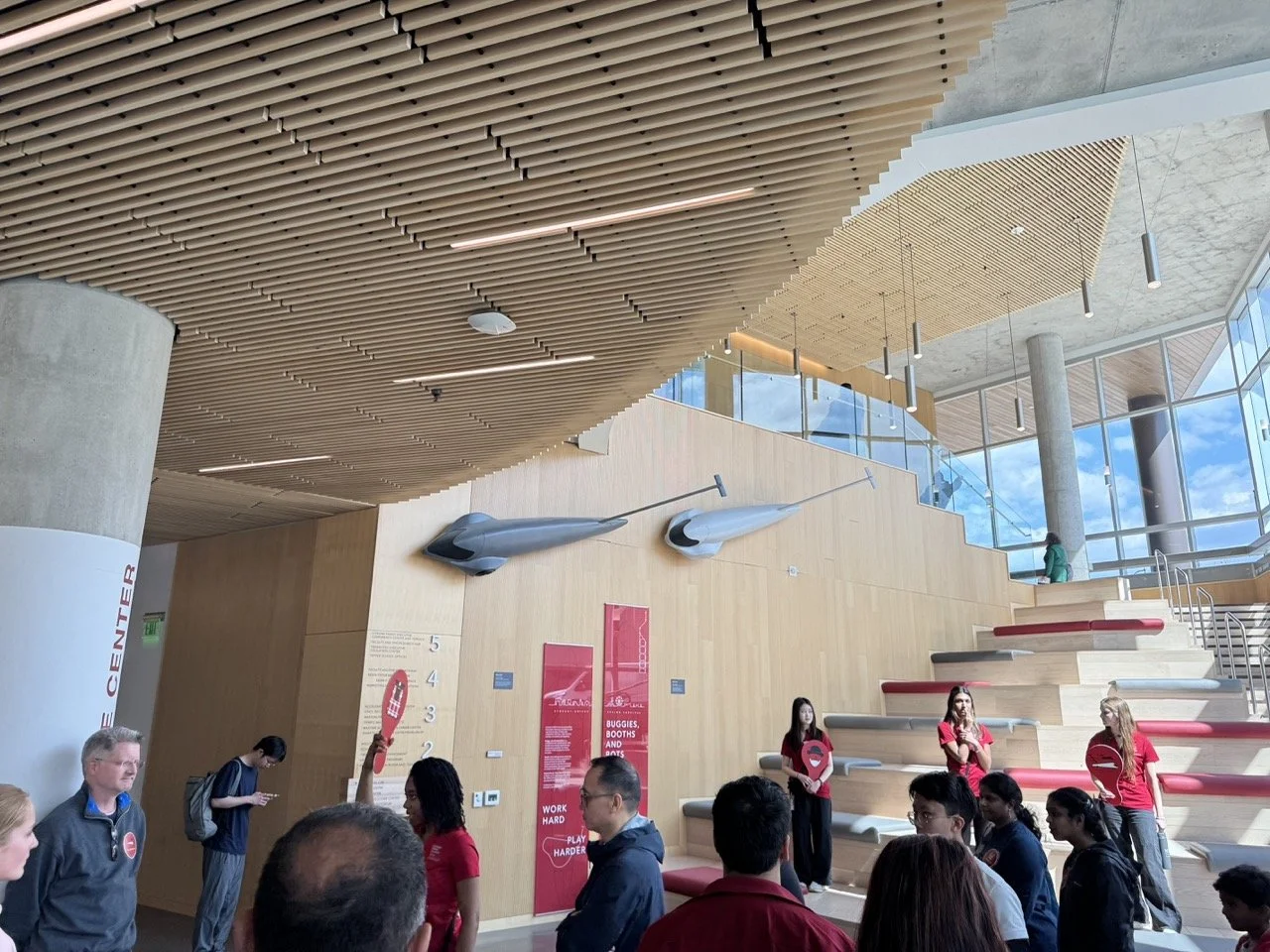
Buggy races—one of the most iconic traditions on campus where students helm a small buggy and race against other buggys
Athletics
Carnegie Mellon competes at the Division III level, which means athletics are competitive but balanced with academics. It’s a great fit for students who want to continue playing at a high level without sacrificing academic intensity.
Athletics Overview:
NCAA Division III athletics
Teams include football, soccer, track, swimming, tennis, and more
Strong club and intramural sports offerings (rugby, lacrosse, rowing, etc.)
Student-athletes can still study abroad and fully engage academically
Cost and Scholarships
Carnegie Mellon is a high-cost private institution, but its financial aid model is designed to make it accessible based on need. Unlike many peer schools, CMU does not offer merit scholarships.
Cost & Aid Details:
Tuition: ~$64,000/year
Room & board: ~$15,000–$16,000/year
Need-blind for U.S. citizens and permanent residents
100% of demonstrated need met (no merit scholarships offered)
Families earning <$75,000 typically attend tuition-free
Families earning <$100,000 often receive full need coverage without loans
Financial aid is entirely need-based
Fun Facts / Traditions
CMU is known for being both brilliant and a little bit quirky, and that’s part of its charm.
Campus Culture & Traditions:
The Fence in the main hub of campus is painted constantly - sometimes multiple times per day
Spring Carnival dates back to the 1920s and shuts down campus for three days
Buggy races are a huge deal and uniquely CMU
Duolingo was founded out of CMU’s startup ecosystem
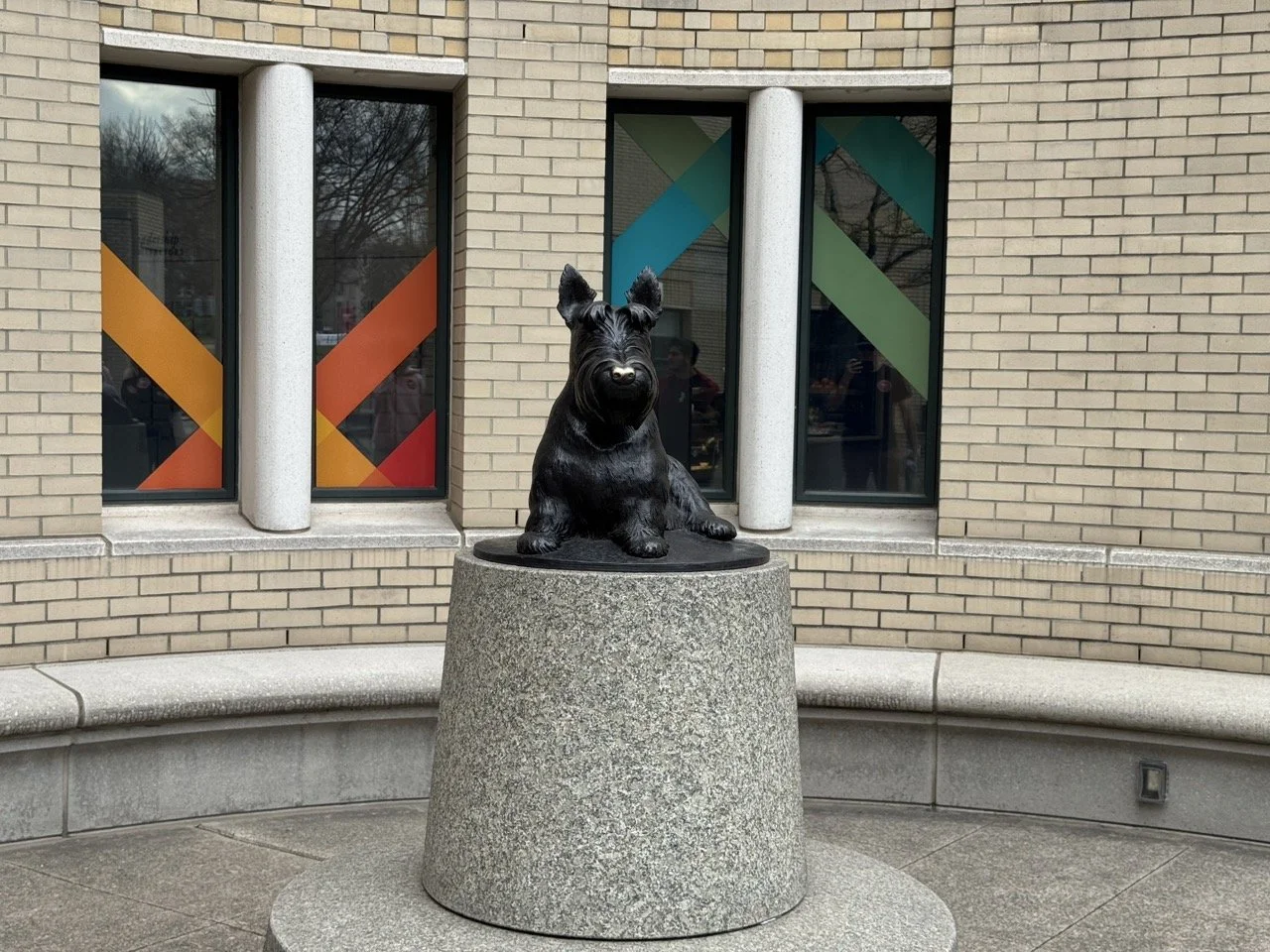
Scotty the Terrier is the school mascot (and yes, there are bagpipes)
Maker culture is everywhere: 16+ maker spaces open to students
Final Thoughts: Who Would Thrive at CMU?
Carnegie Mellon is a dream school for students who want to build things, solve problems, and push boundaries. It’s not just about being smart, it’s about being curious, driven, and willing to dive deep into your interests.
Ideal Student Profile:
Students with strong academic focus and intellectual curiosity
Those interested in STEM, arts, or interdisciplinary innovation
Students who value hands-on learning and research
Creative thinkers who want to build, design, or launch projects
Students comfortable with academic rigor and challenge
Those who enjoy quirky traditions and collaborative culture