Tour Tuesday: Willamette University
I try to visit 30–50 college campuses each year, and starting now, I’m going to share more of those experiences here on the blog. These posts will include my personal notes, impressions, and images from each stop - some practical, some purely observational. Whether you’re a prospective student, a parent, or just someone who enjoys exploring different college environments, I hope this series gives you a better sense of what these places are really like on the ground!
Willamette University: Liberal Arts Rooted, Professional Reach, and an Oregon Heartbeat
Quick Look
A liberal arts college with four professional schools (Law, Business/MBA, Computing & Information Sciences, and PNCA - visual arts) embedded in its structure.
Dual/accelerated degree paths: 3+1 in Data Science, 3+1 in Computer Science; 3+2 MBA; 3+3 BA/JD (law) - available to undergrads who commit early.
~1,525 undergraduates (with graduate students, total around 2,000+)
Average class size is tiny - around 12 students.
~75% of students hail from outside Oregon; strong mix from the western U.S.
~30% students of color; 25% of students are student-athletes
All admits receive scholarship offers, typically in the range of $26,000 to $34,000/year
Tuition + fees is ~ $54,000/year
Located in Salem, Oregon: state capitol, hospital, Amtrak station, downtown walkable, minimal traffic, no sales tax
Overview
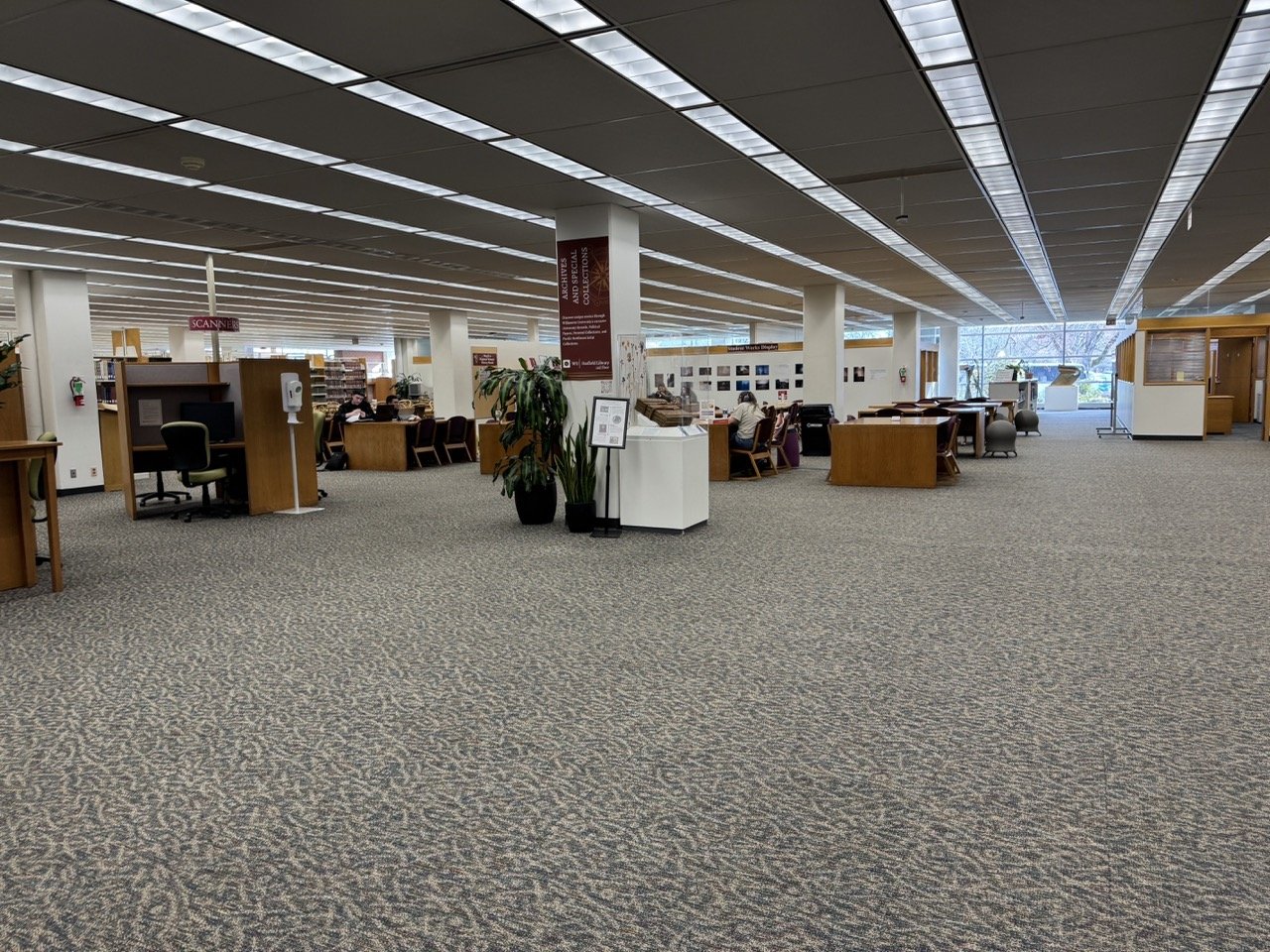
Willamette strikes me as a place where ambition meets intention. It’s small enough that your professors know your name, but it has professional wings that let you explore law, computing, and art without leaving the campus sphere.
Because students often come from outside Oregon, there’s a melding of local Oregon spirit with outside perspectives. The school leans into that hybrid - rigorous academics, mentorship, but also deep connection to place (Salem, Oregon) and to professional preparation.
Location
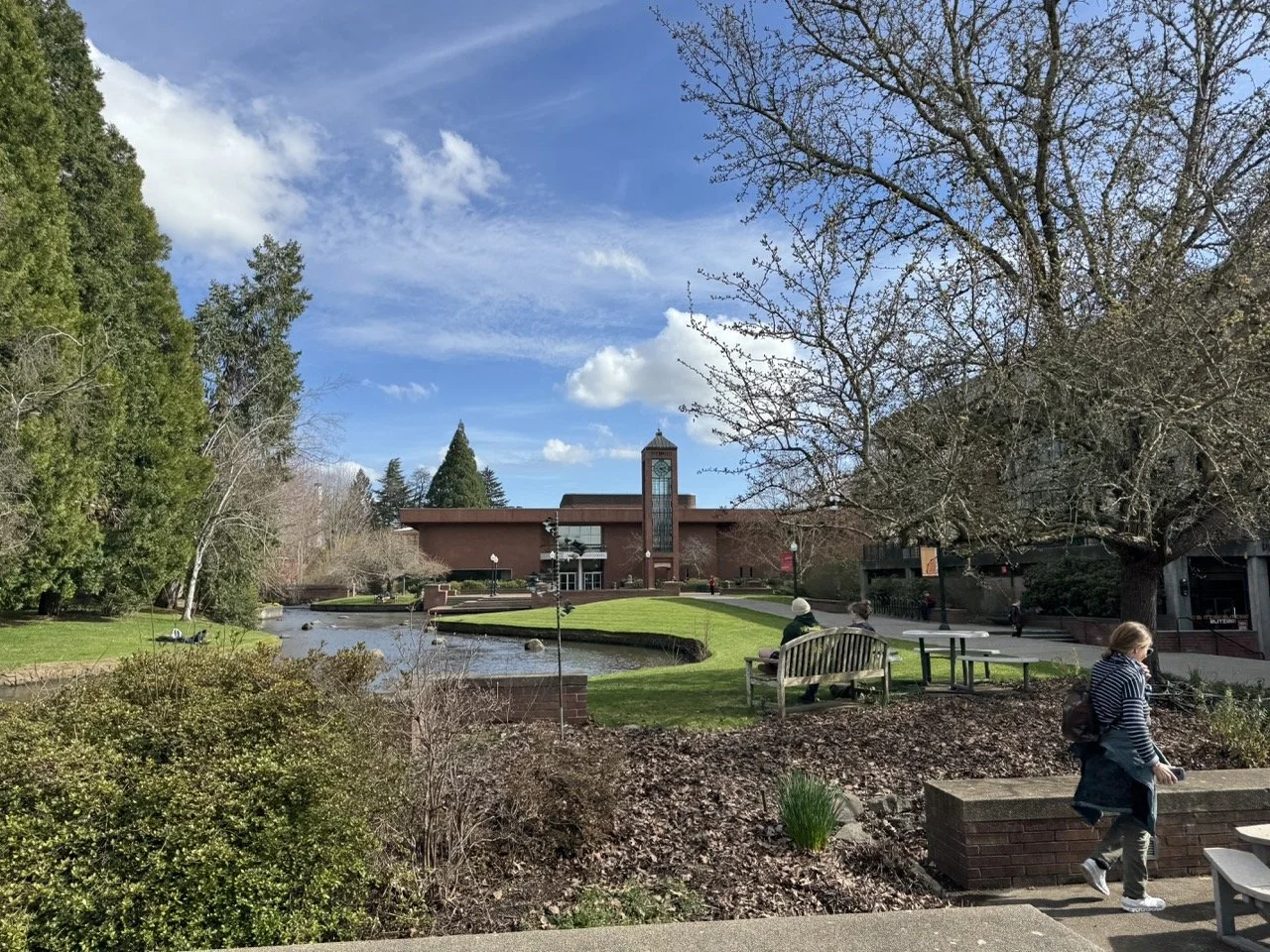
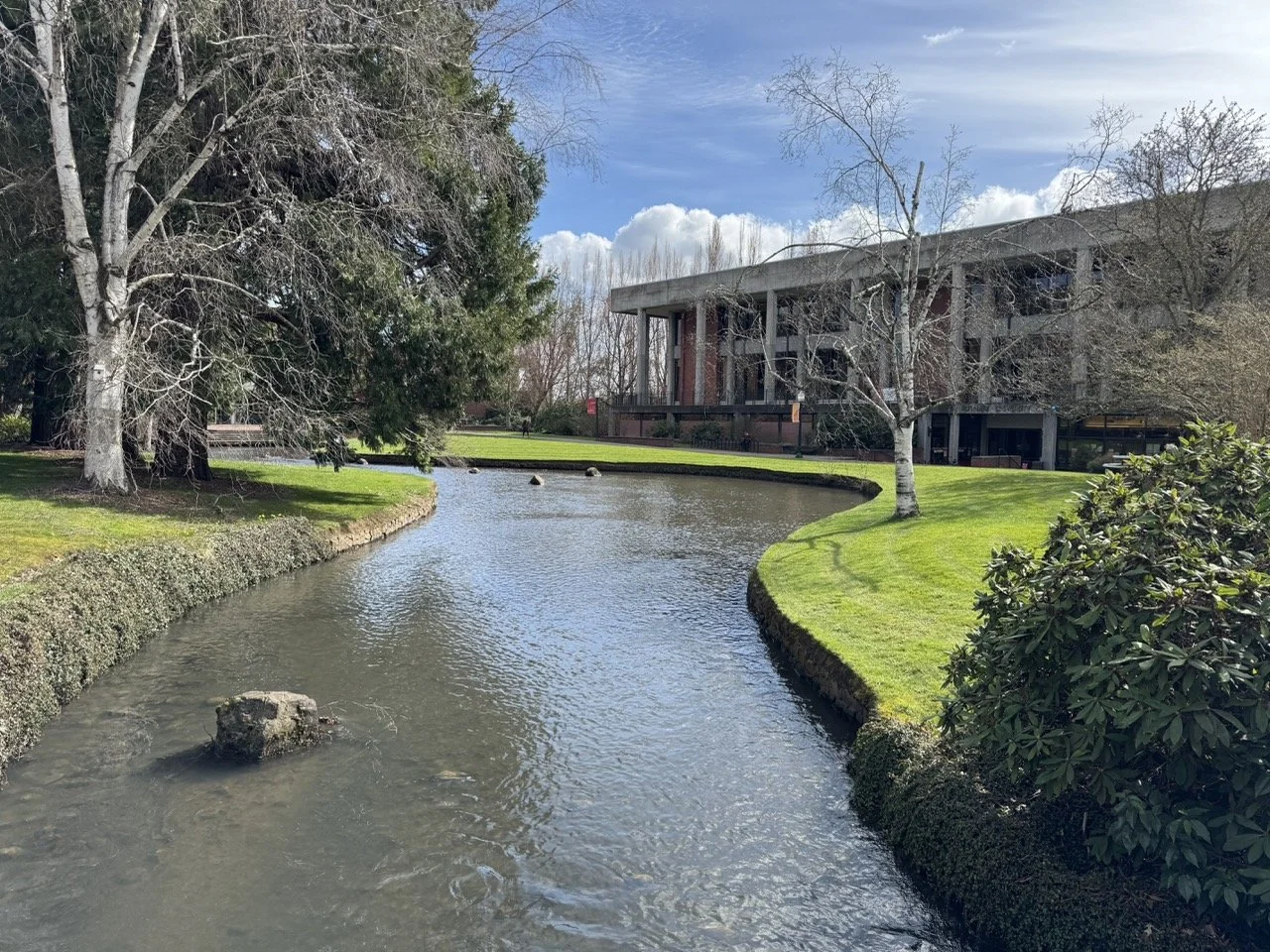
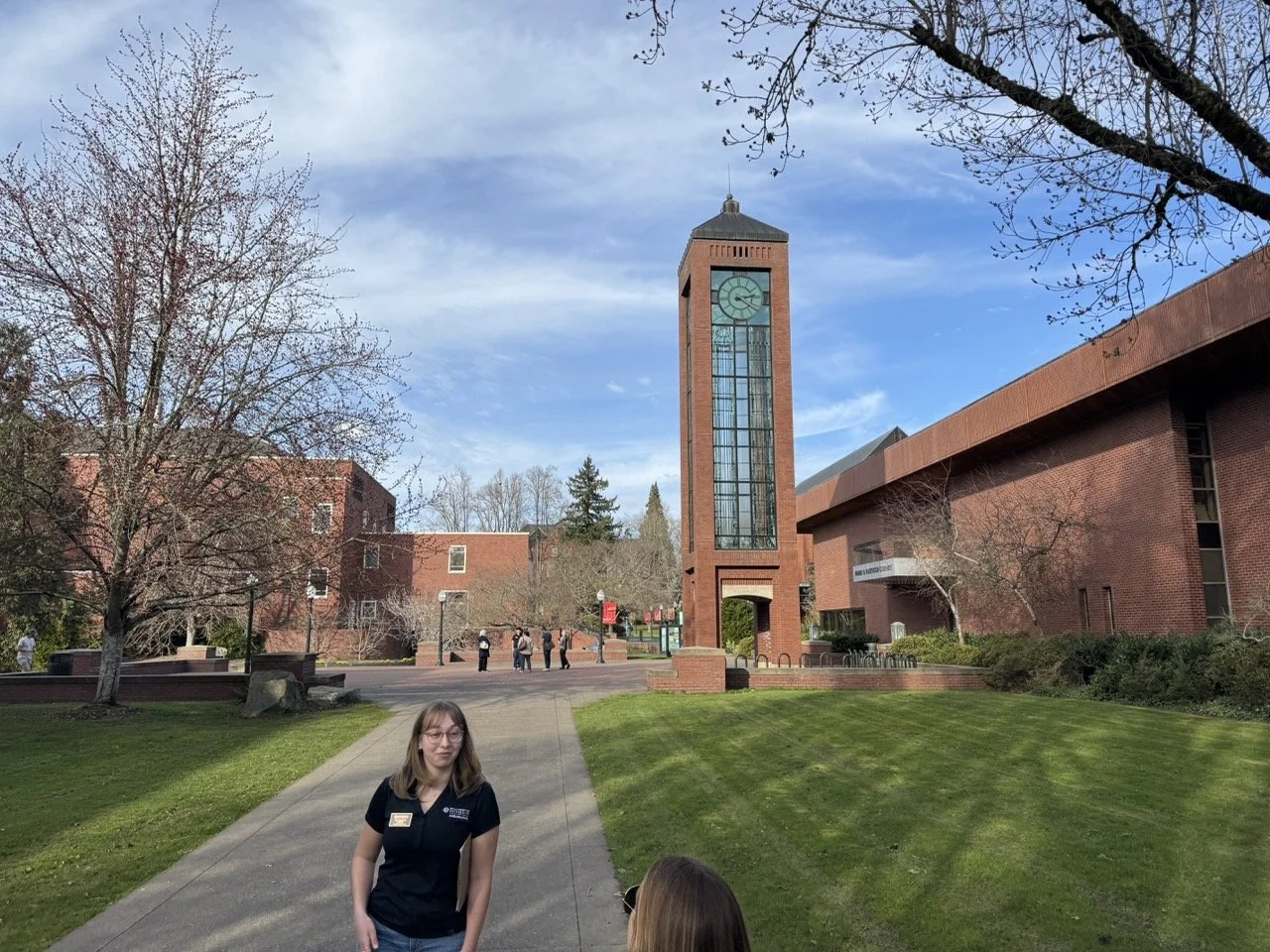
Salem offers a unique backdrop: the state capitol is right across the street, the hospital is nearby, Amtrak stops just steps away, and downtown is entirely walkable. That positioning means students can dip into politics, medical work, public service, internships, or arts in real city settings without having to move far.
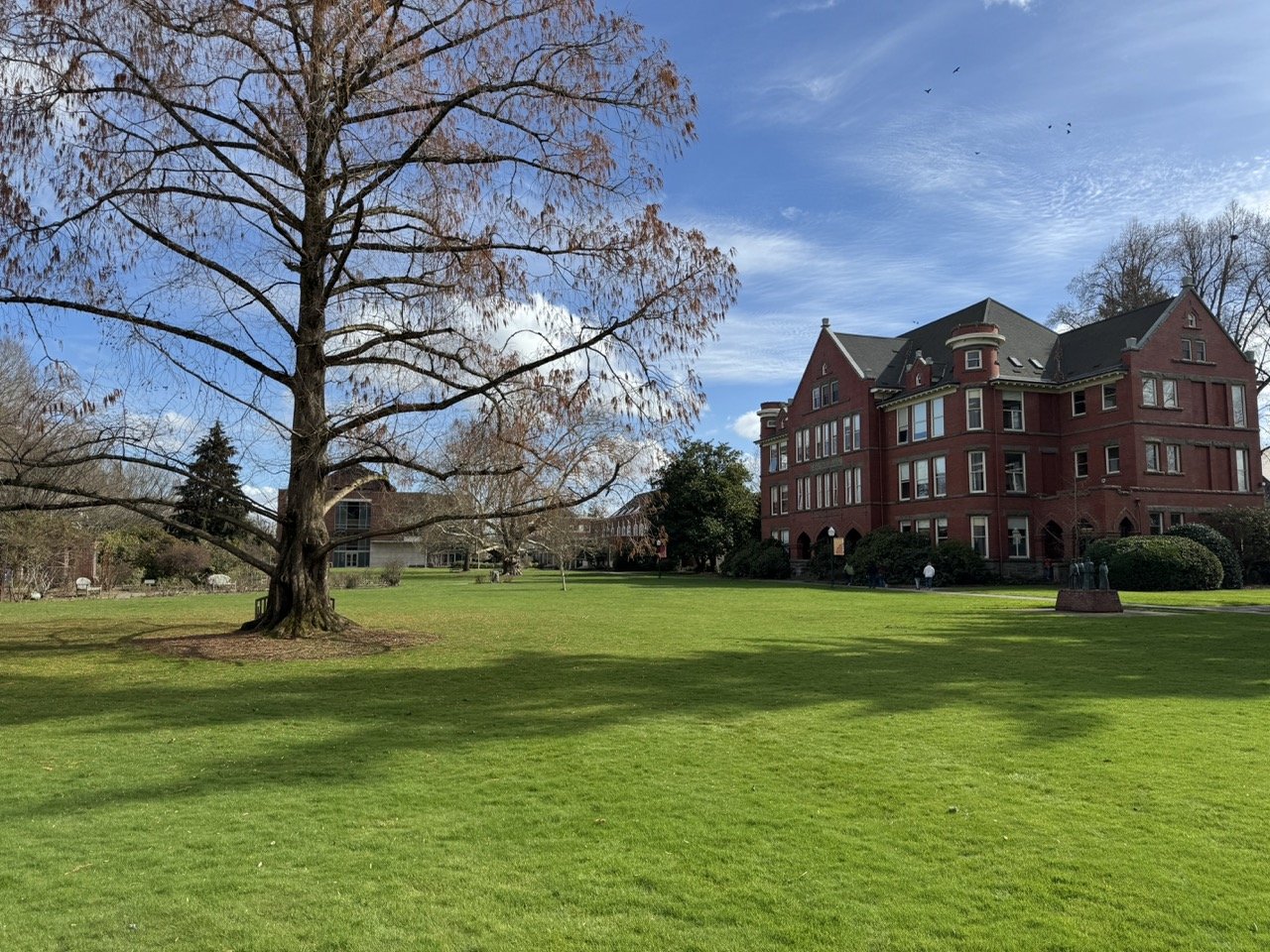
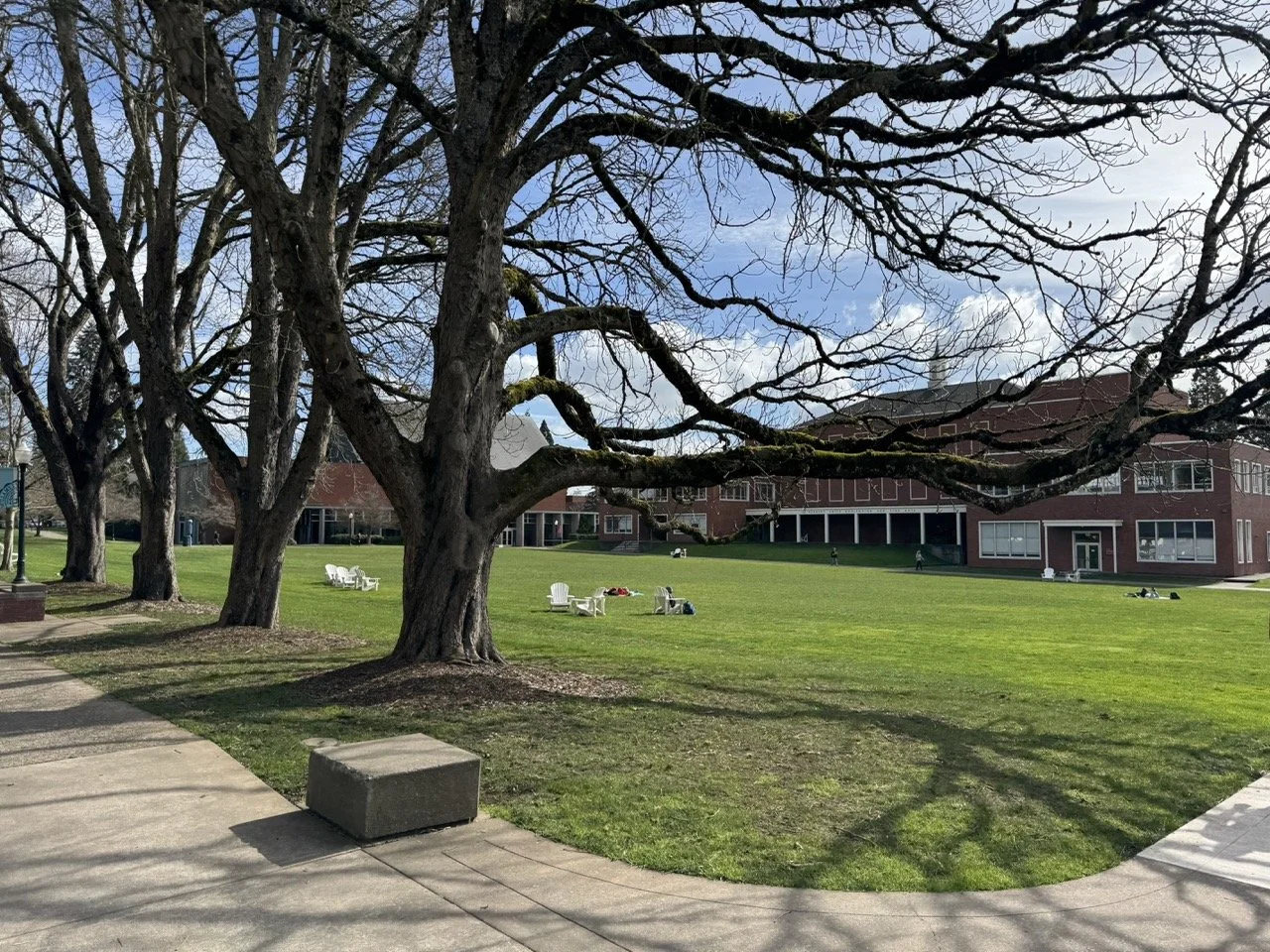
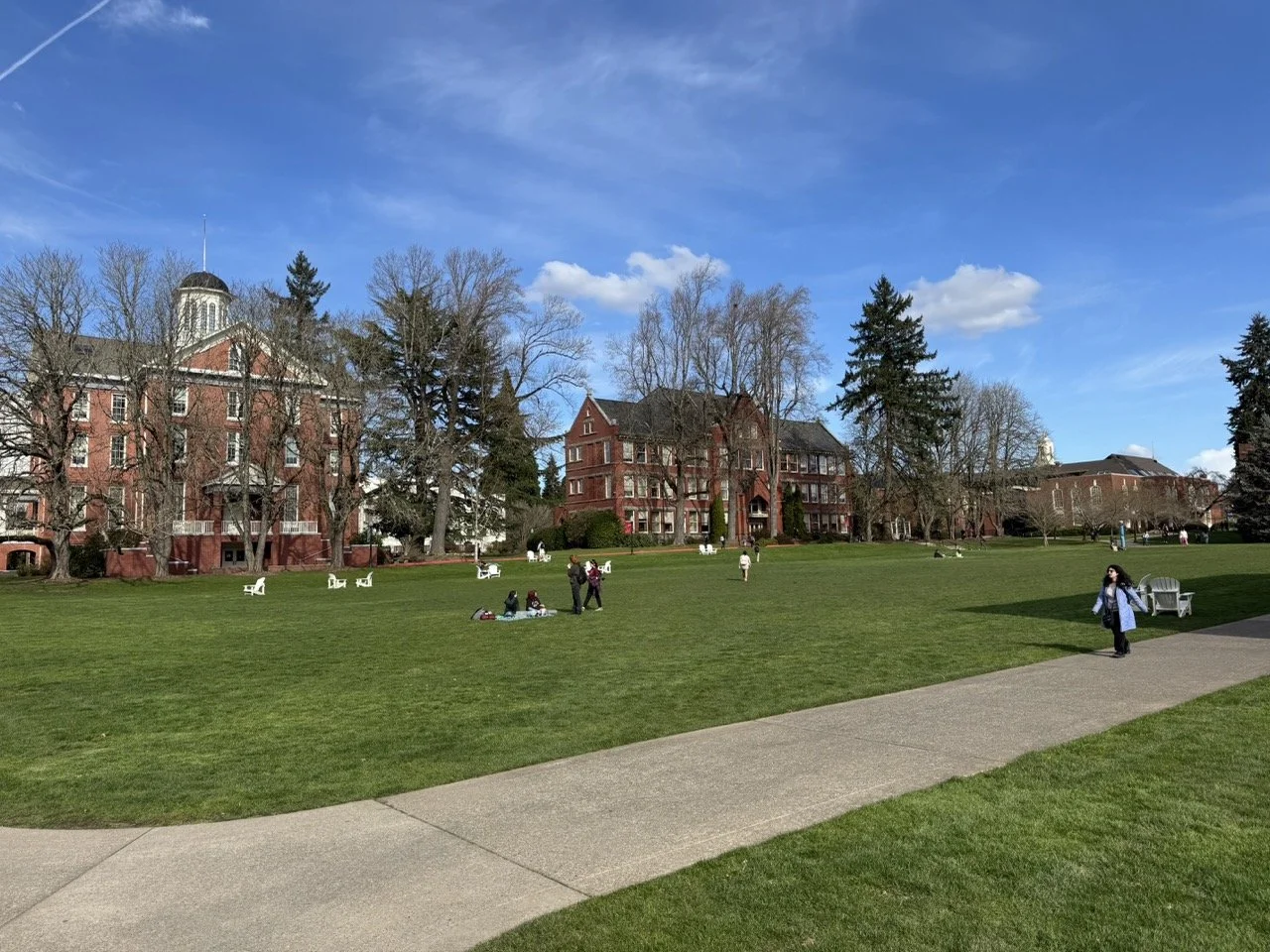
The campus feels alive 7 days a week - it’s not a commuter school. There’s purpose and bustle even outside weekdays because Willamette expects you to live deeply into your college years.
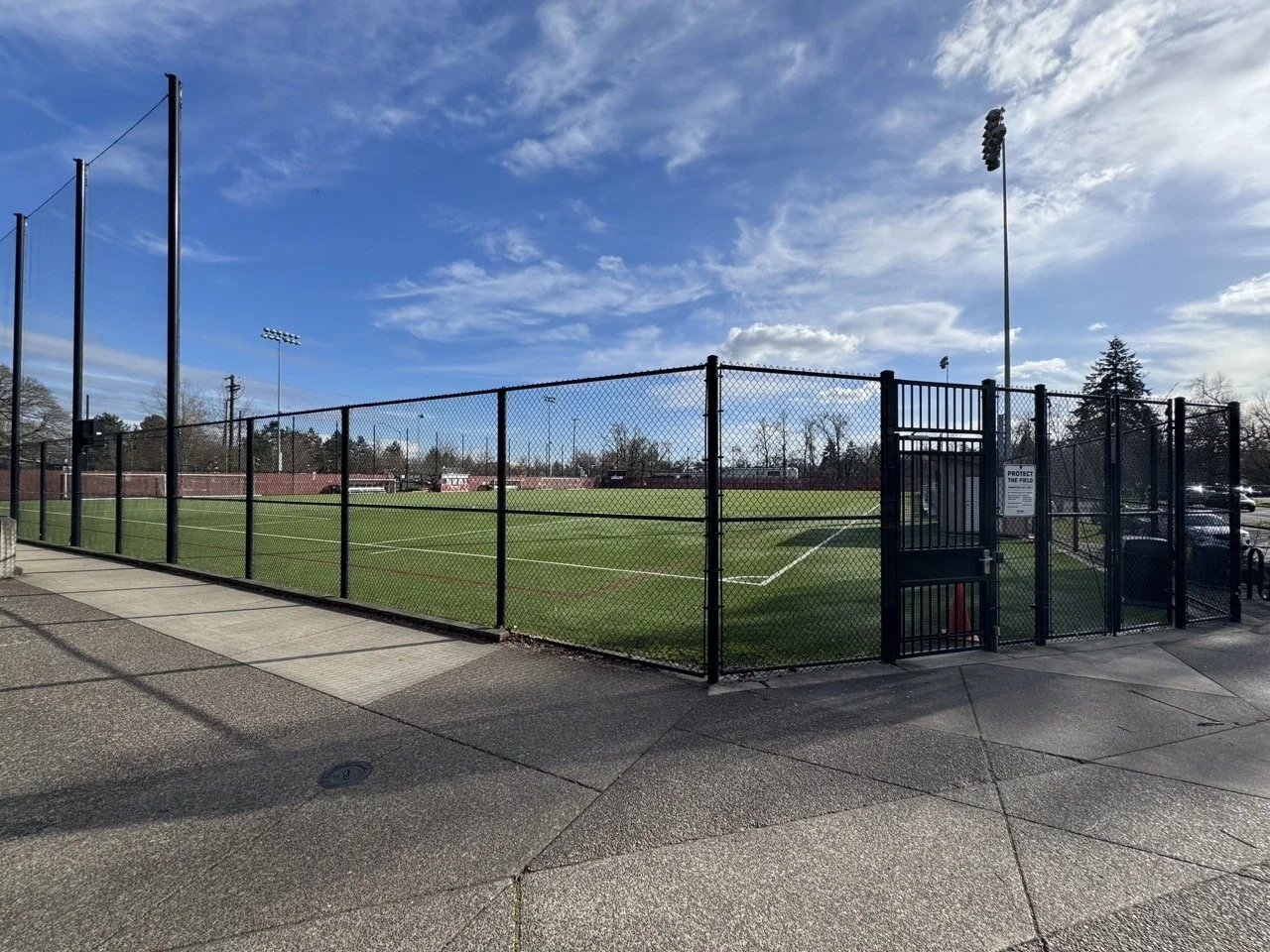
Sports fields like baseball and football are a short walk (about 10 minutes) off campus, which is no big deal in a compact university setting.
Academics
Liberal Arts + Professional Integration
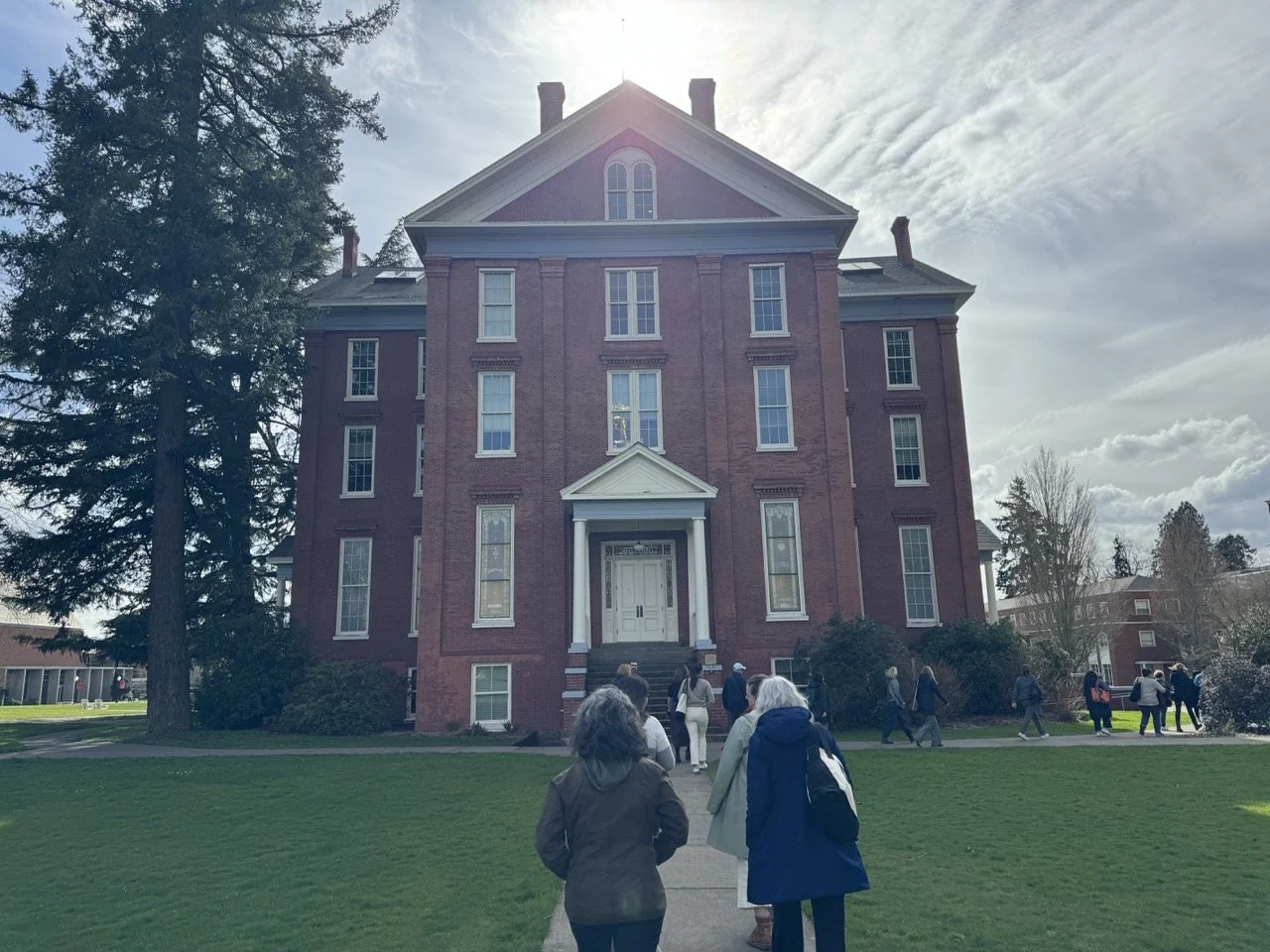
Willamette is first and foremost a liberal arts college, but it wears professional wings proudly. The professional schools (Law, MBA, Computing & Information Sciences, and PNCA for visual arts) sit in conversation with the college’s liberal arts DNA. You can major in philosophy or history or environmental studies, and still take advantage of professional pathways.
Dual / Accelerated Programs
These are serious advantages for students who already have clarity or are willing to plan ahead:
3+1 BS/MS Data Science - you can earn both undergrad and master’s in ~4 years + summer.
3+3 BA/JD (Law) - you can combine your bachelor’s and law degree in six years.
3+2 MBA / BA/MBA and other integrated options like JD/MBA are supported.
These pathways require you to start them as an undergrad, so early planning is key.
Small Classes, Deep Mentoring
With average classes of ~12, you’re not an anonymous name. You’ll have lots of one-on-one chances, discussions, and mentorship. The school intentionally seeks students who value intellectual challenge and relational learning.
Admissions & Fit
Here’s what seems to matter most at Willamette:
You don’t need perfect stats—Willamette looks at character, trajectory, and your story.
They are test-optional (they moved away from requiring tests post-COVID).
The Early Action deadline is November 1.
They like to see rigor (AP/IB) where offered, but won’t penalize students whose high schools don’t provide them.
If you’d like, the school offers optional interviews to contextualize extraordinary challenges or stories.
Because ~75% of students are from out of Oregon, the school gives serious attention to national recruiting and to students from many geographies.
Scholarships & Aid
Every admitted student receives scholarship support. Typical institutional scholarships run $26,000–$34,000/year. Additionally, more competitive or department-specific scholarships (auditions, art, etc.) are available. Willamette aims to make that price tag less daunting.
Tuition + fees are ~ $54,000/year. That’s a sticker, but with aid, many students end up paying much less.
Student Life & Social Culture
The social feel is intentional, not accidental. There’s no Greek life dominance (and indeed many small liberal arts colleges like this either don’t have it or it’s minimal). That means social life centers around interests, communities, activism, art, study groups, and faculty events.
Students don’t feel pressured into a single predetermined path. It’s okay to explore. Many arrive without a fully charted career - the culture expects that it’s part of the journey to figure that out. You’ll see graduate school ambitions, shifted major trajectories, and weaving of multiple interests.
Because the school expects students to live on or near campus and be present 7 days a week, you’ll see more community, stronger networks, and more continuity between weekdays and weekends.
Athletics
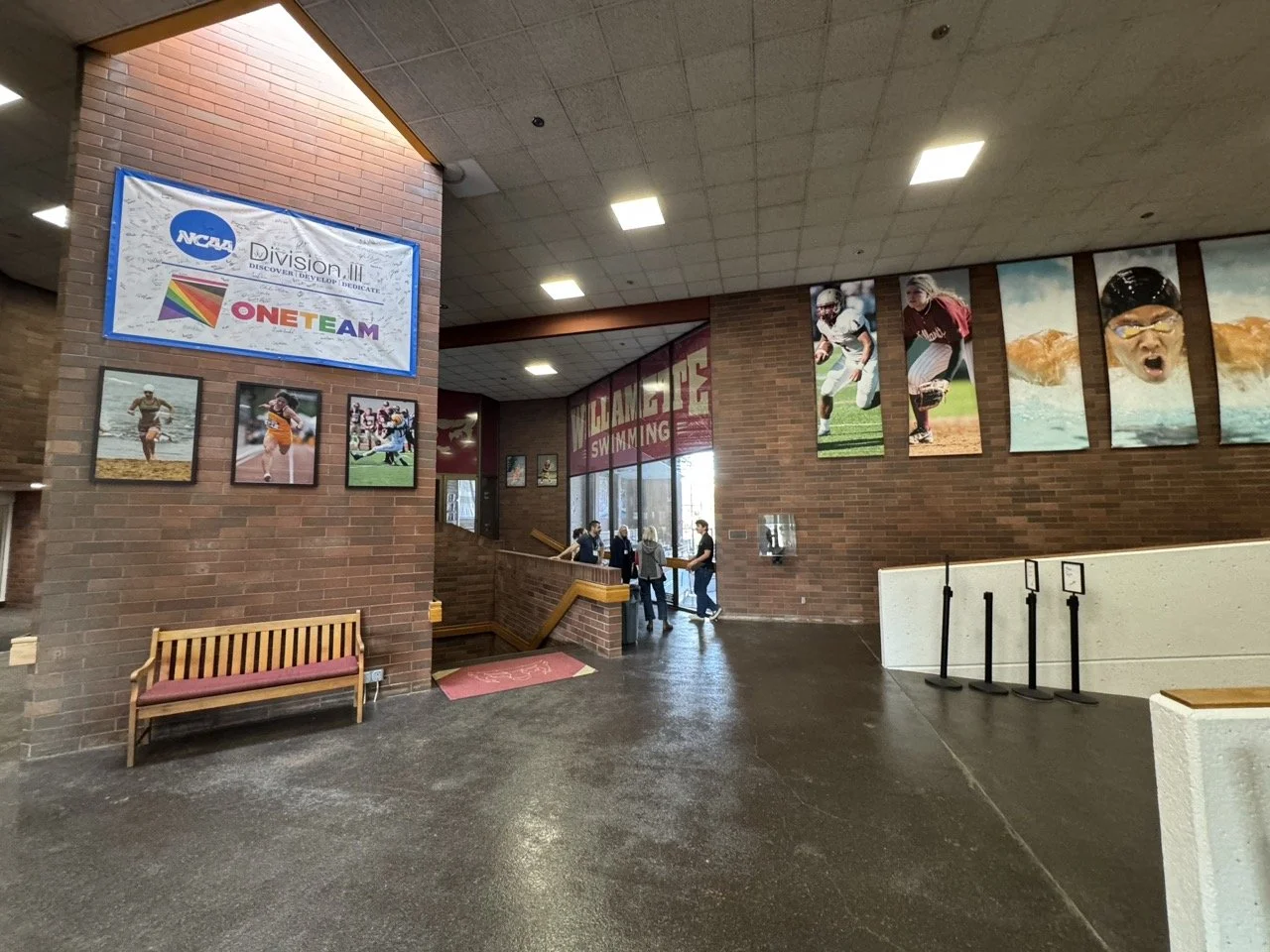
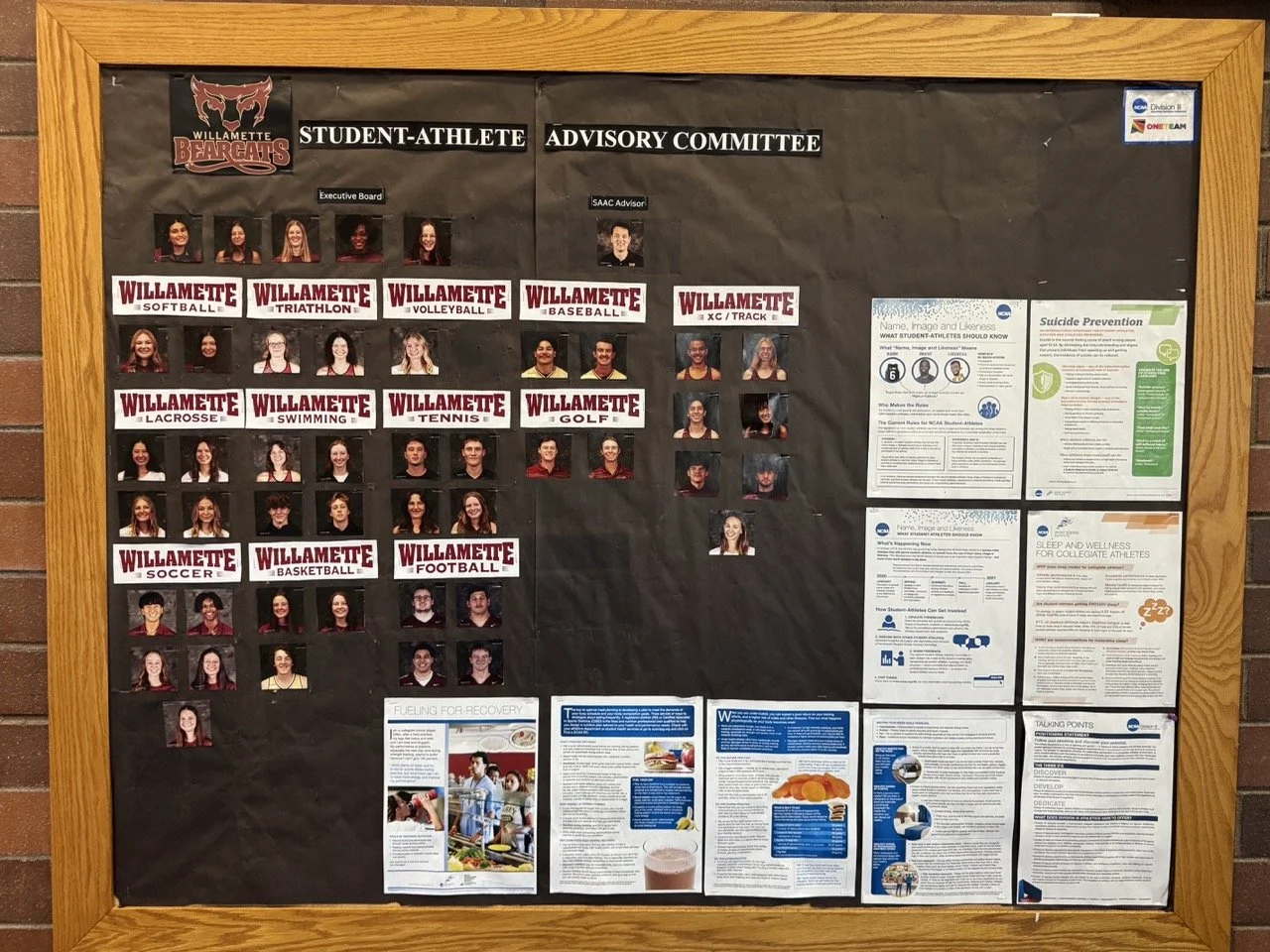
Willamette competes in NCAA Division III, in the Northwest Conference, and fields ~20 varsity teams.
Sports include football, basketball, soccer, swimming, tennis, volleyball, track & field, cross country, softball, baseball, lacrosse, and more.
The football and baseball facilities are slightly off campus (10-minute walk) but readily accessible.
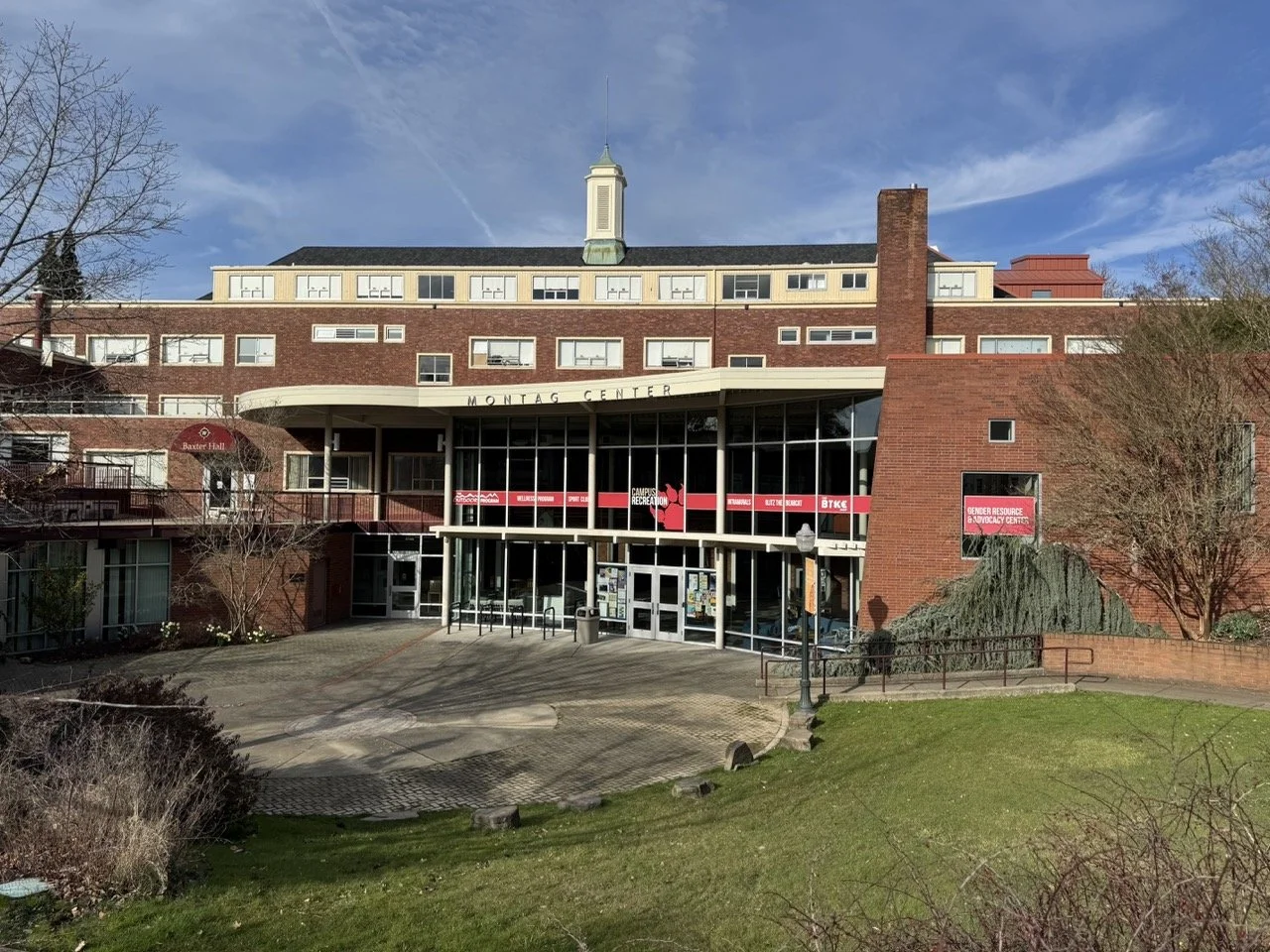
Indoor sports are housed in the Sparks Center, including basketball, volleyball, swimming, etc.
Club sports and intramurals are also active. If varsity doesn’t work out, students often join club teams, intramurals, and outdoor programs (hiking, camping, kayaking). The culture supports doing what you love, not just what you’re assigned.
Final Thoughts: Who Would Thrive at Willamette
If you’d fit best here, you are someone who:
cares deeply about intellectual curiosity and “big picture” learning, not just job training
wants structure but with freedom - you want to pick, mix, and even fail, in pursuit of growth
might have interdisciplinary interests (art + computing, law + environment, business + data) and want a place that lets you cross boundaries
wants access to professional wings (law, business, computing, art) without leaving the liberal arts framework
appreciates being in a smaller, close community, where professors and peers know your name
loves the Pacific Northwest or wants a base in a place with access to city, nature, governmental institutions, arts, and activism.
Willamette isn’t going to feed you all the answers - it’s built to help you ask big questions, try bold experiments, and walk out into your next chapters with both roots and wings.