Tour Tuesday: Whitman College
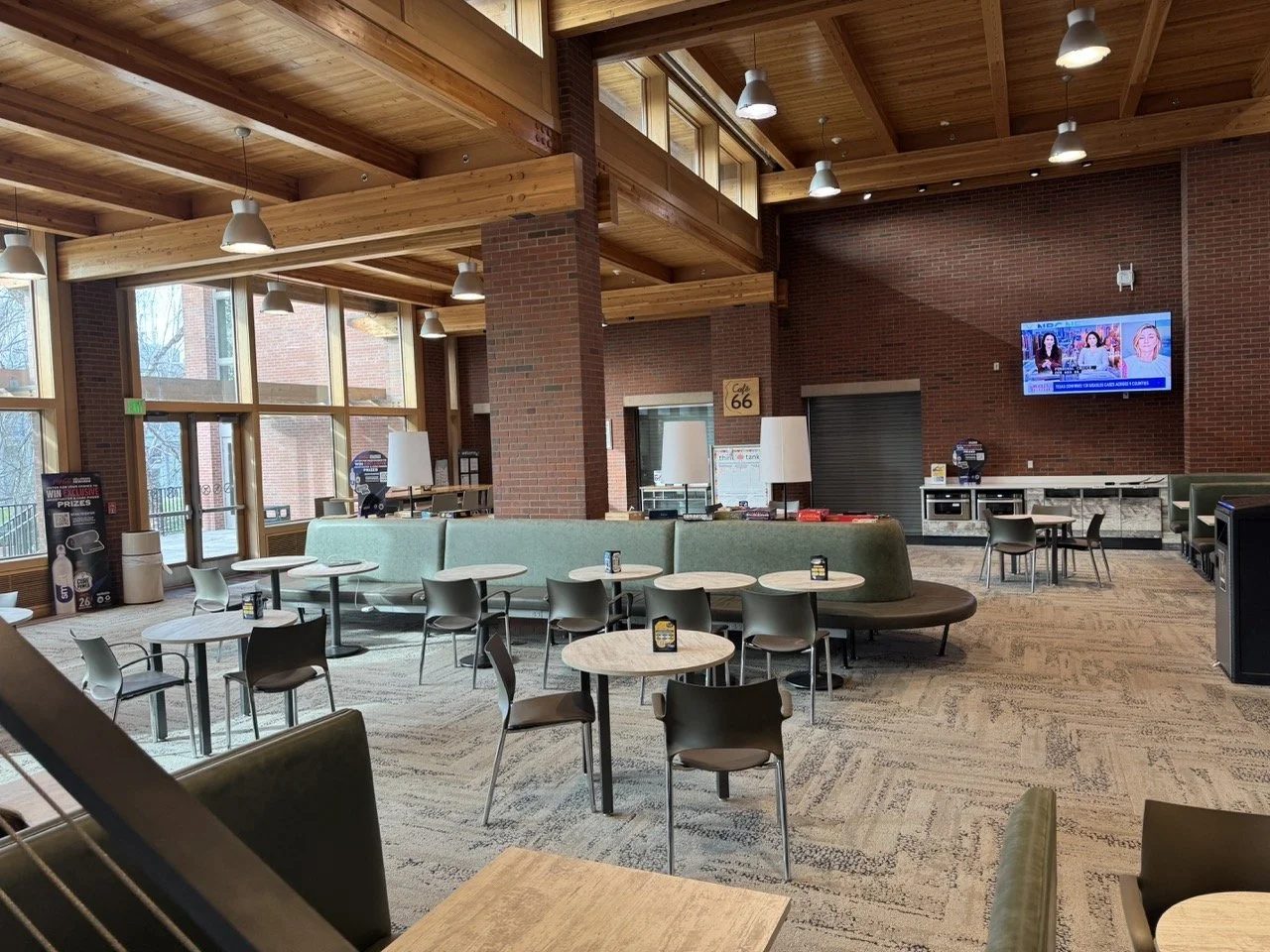
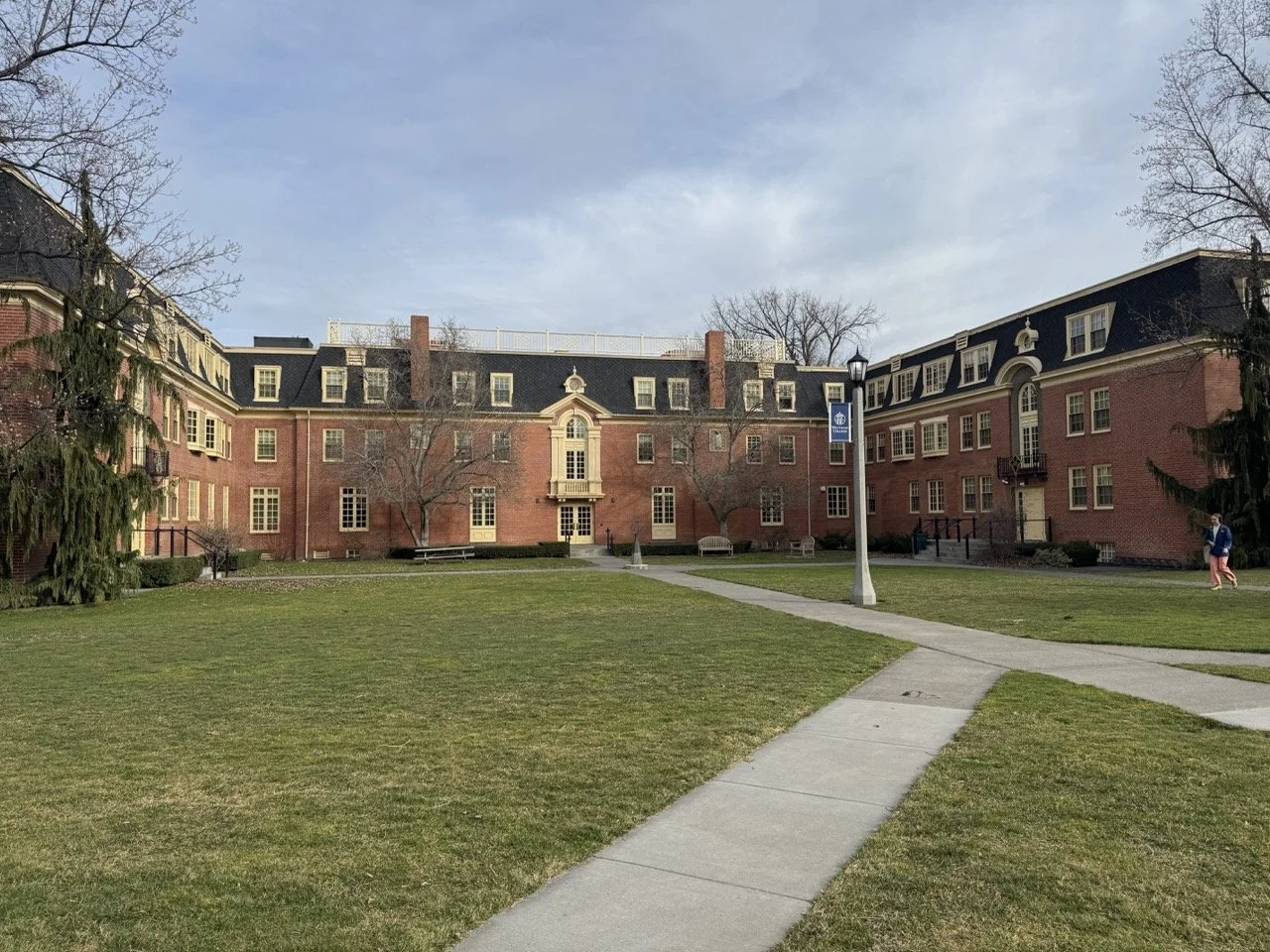
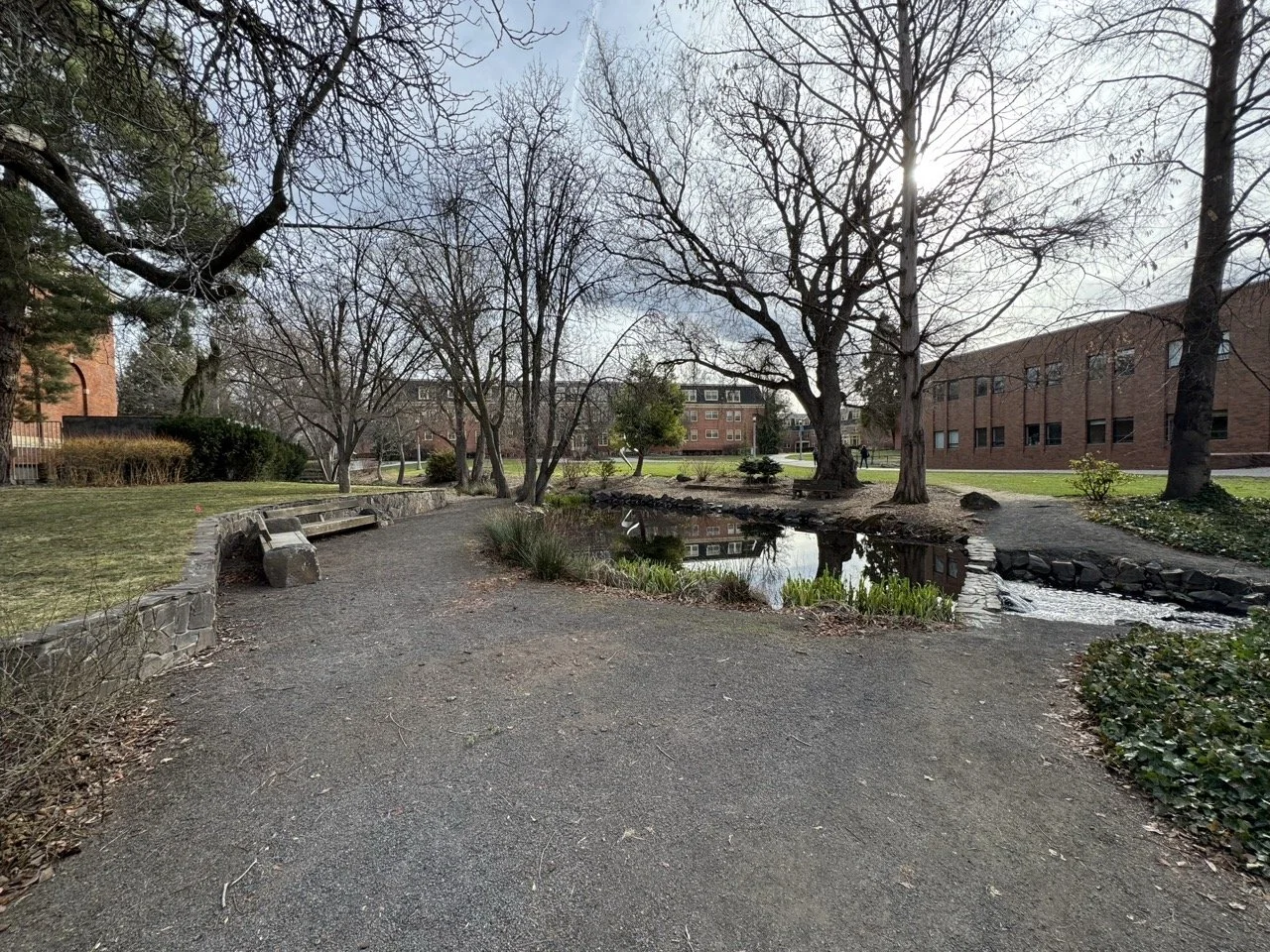
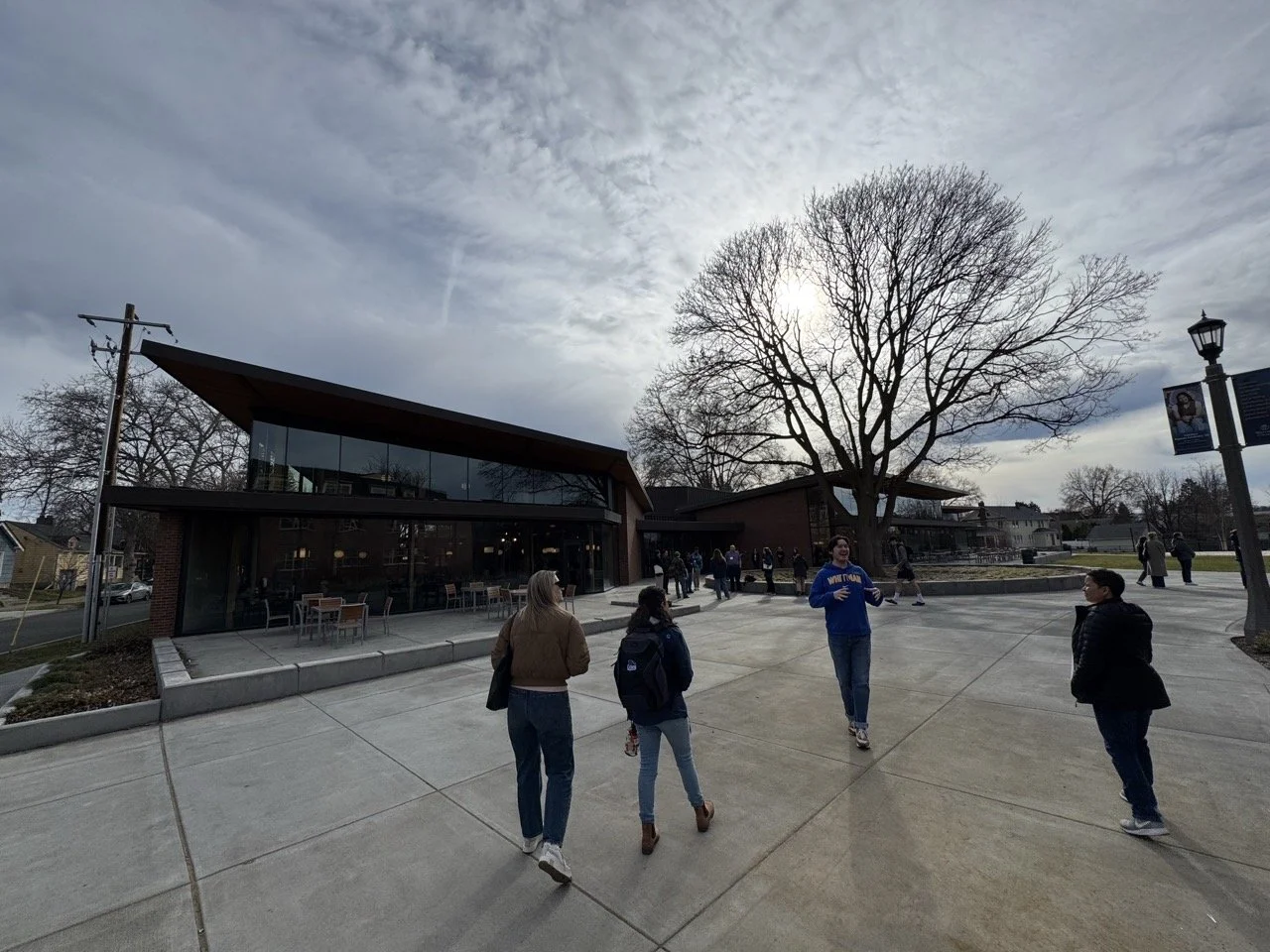
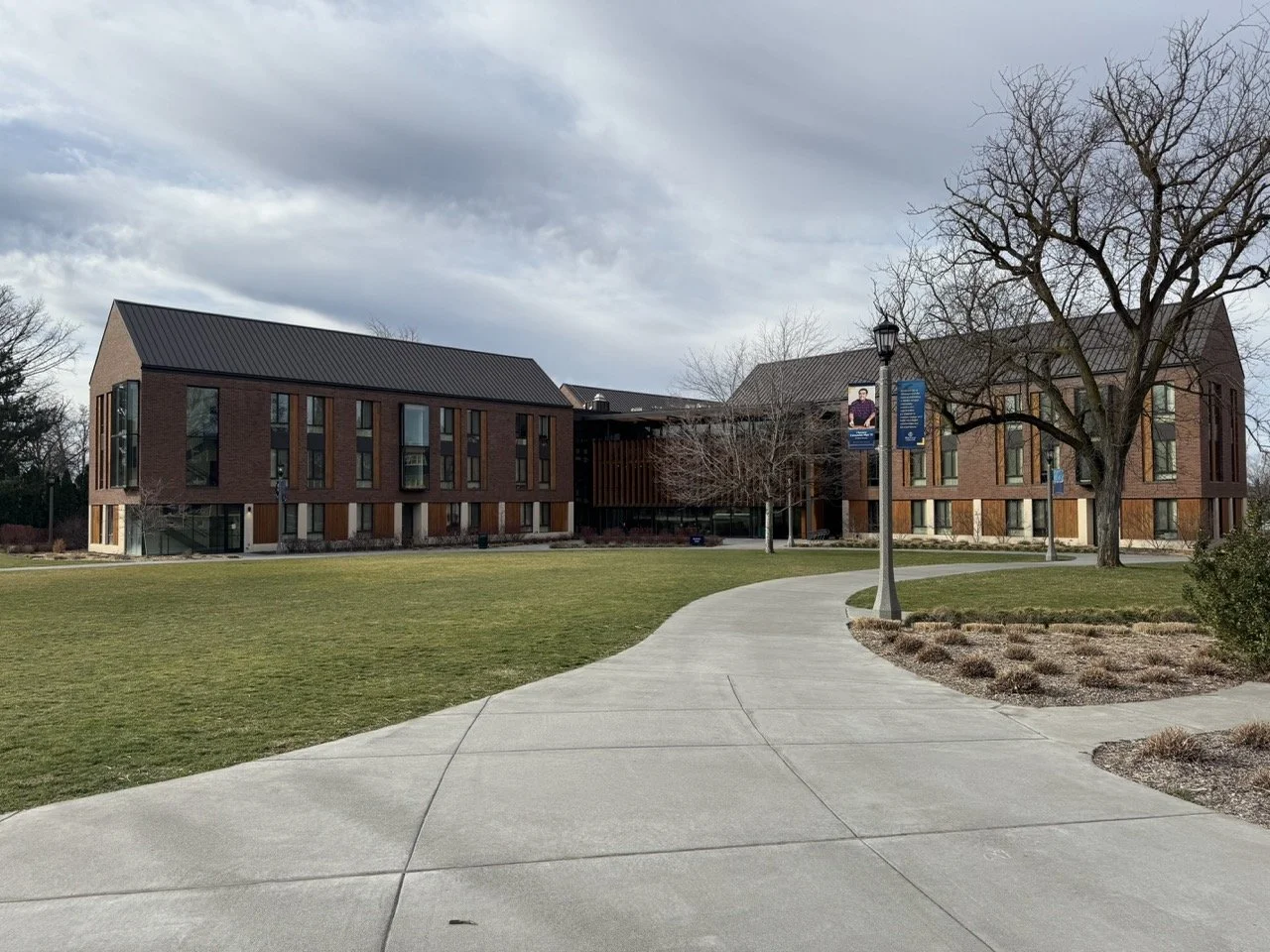
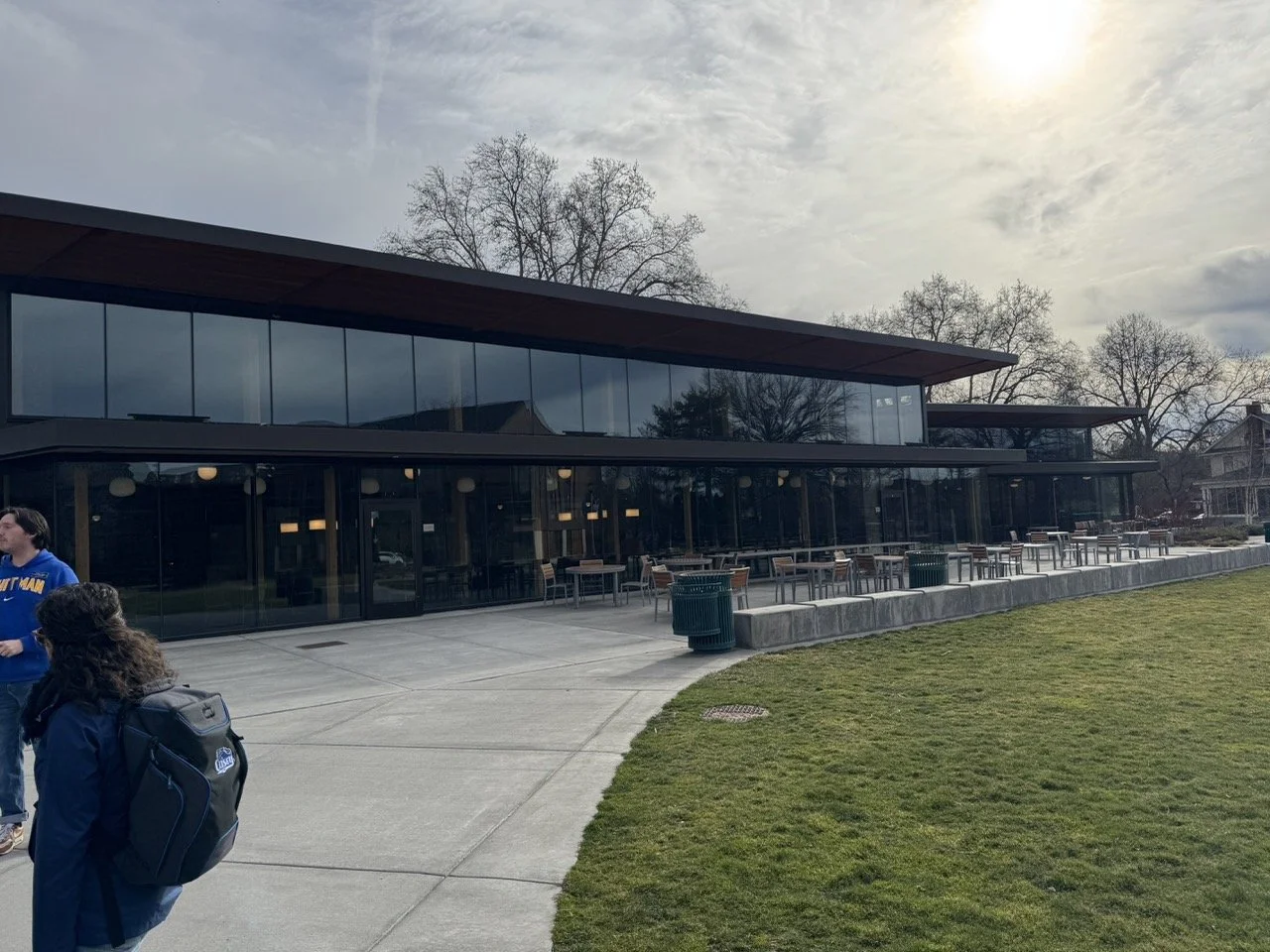
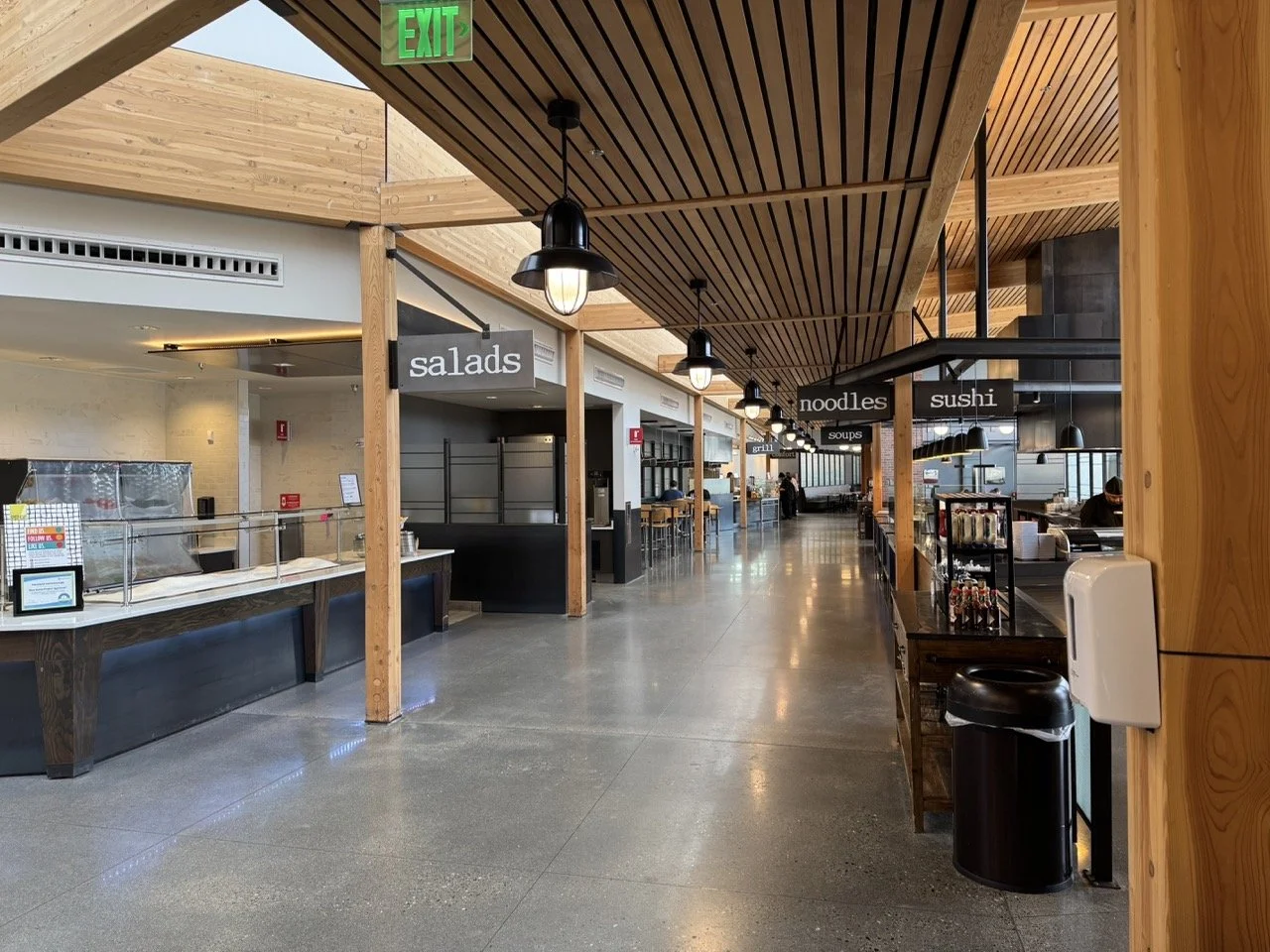
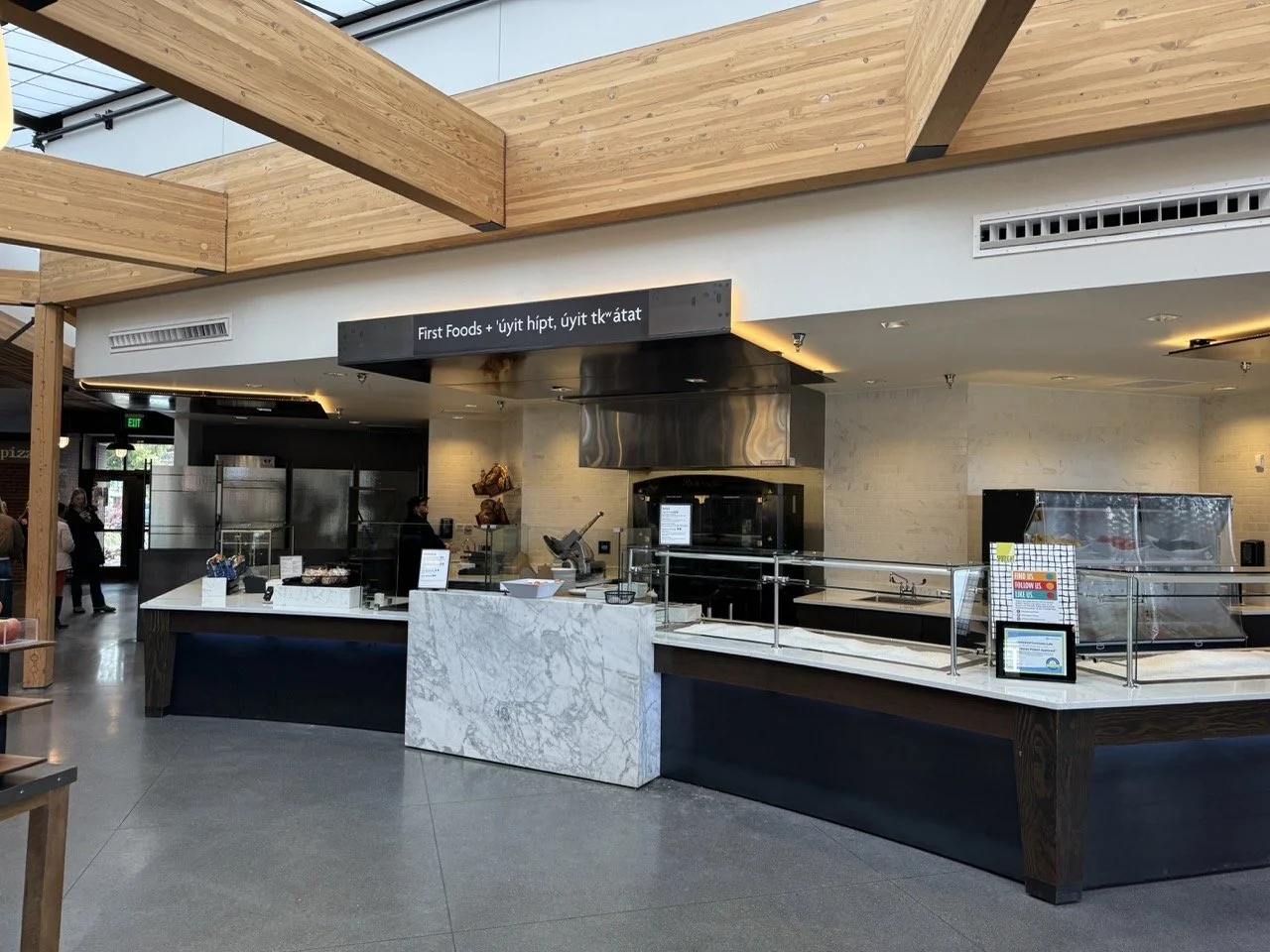
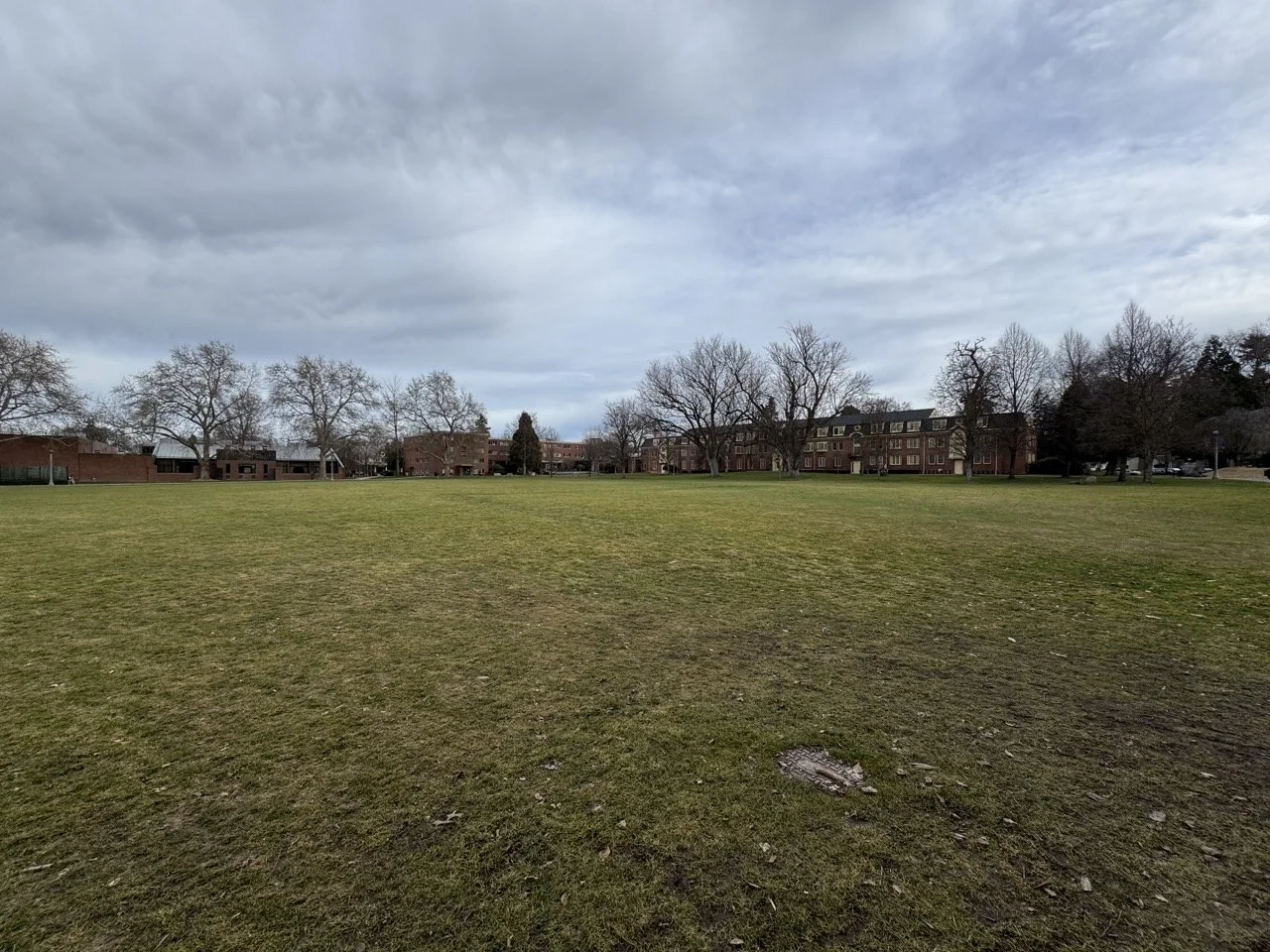
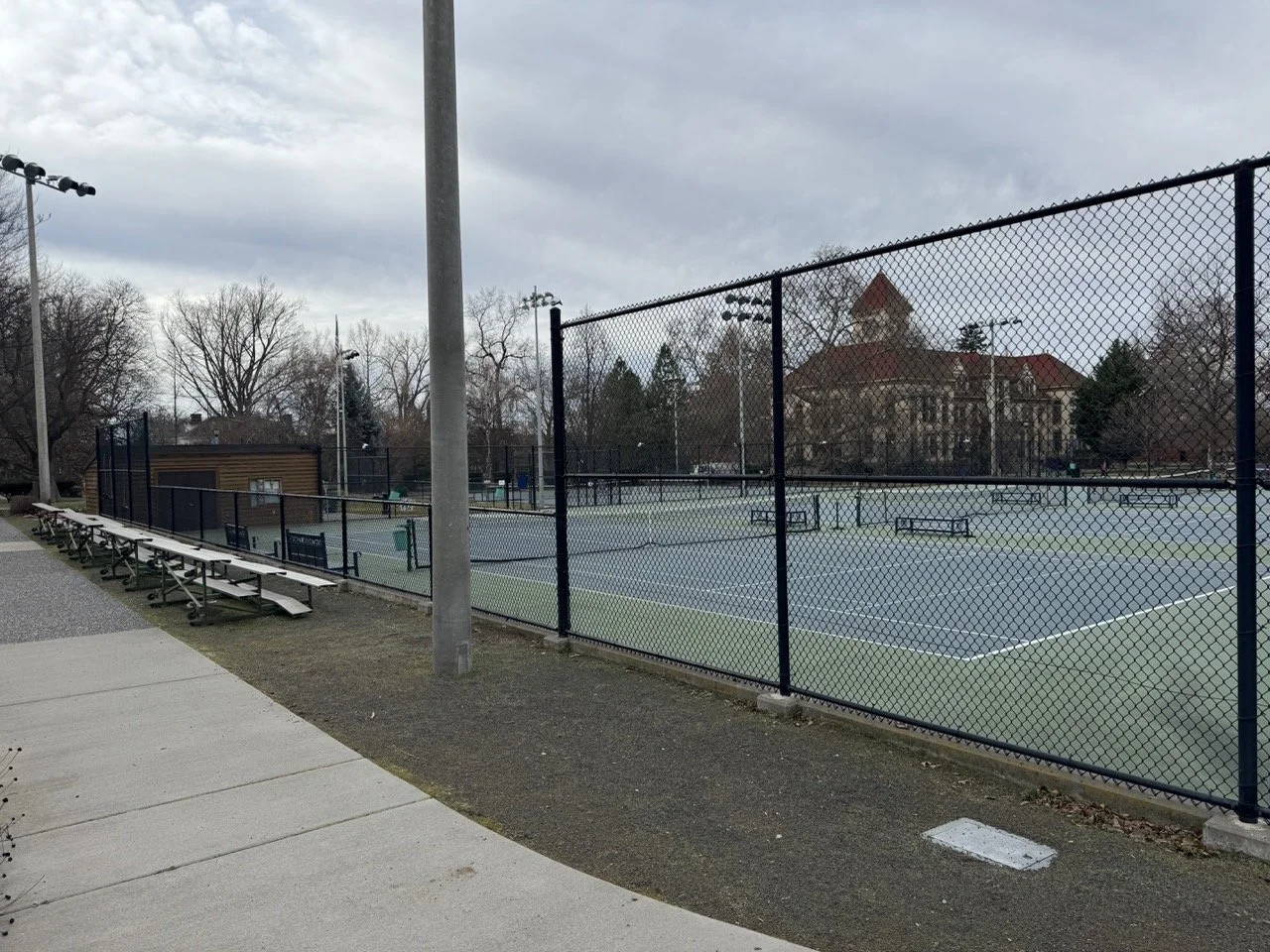
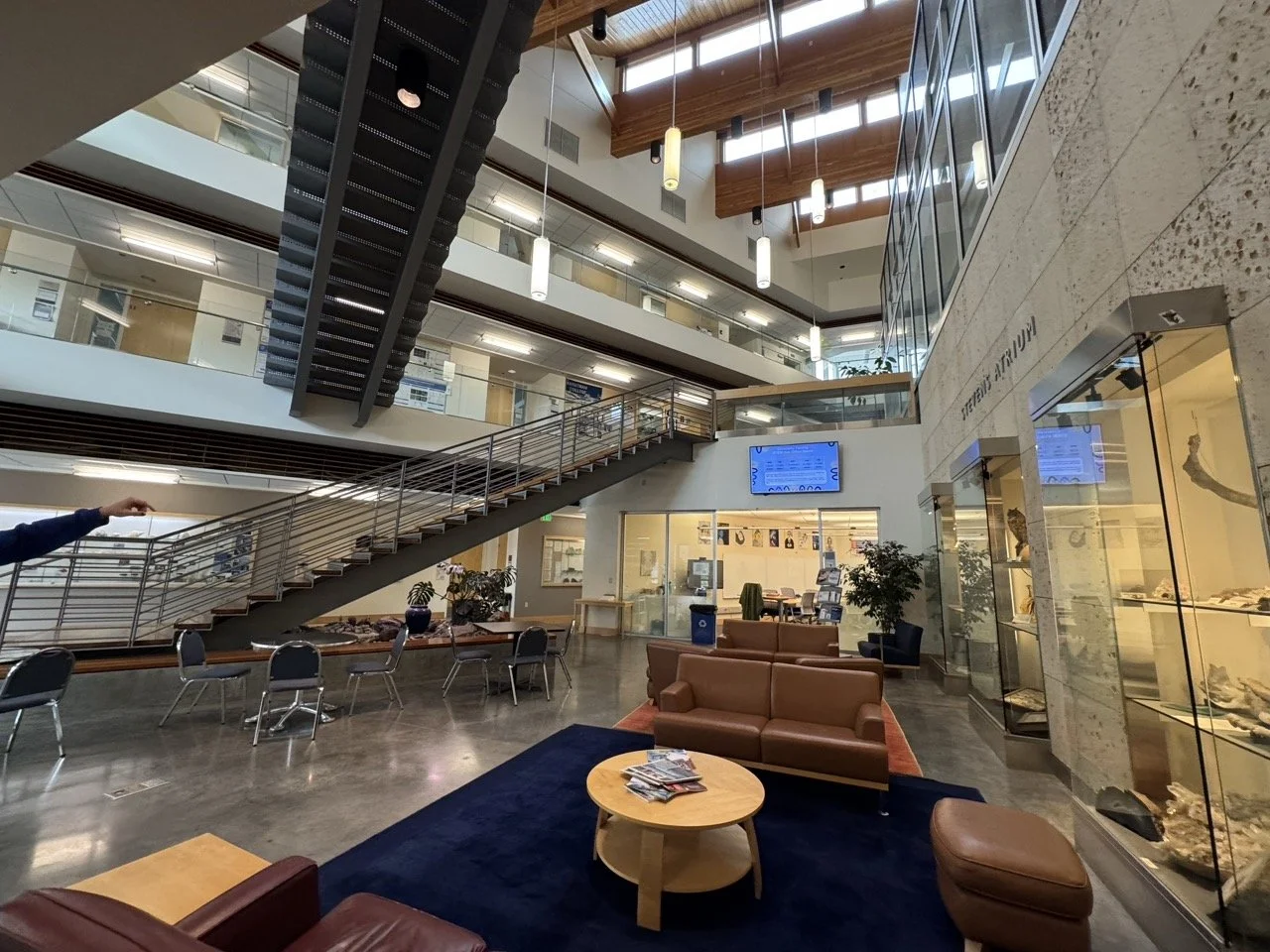
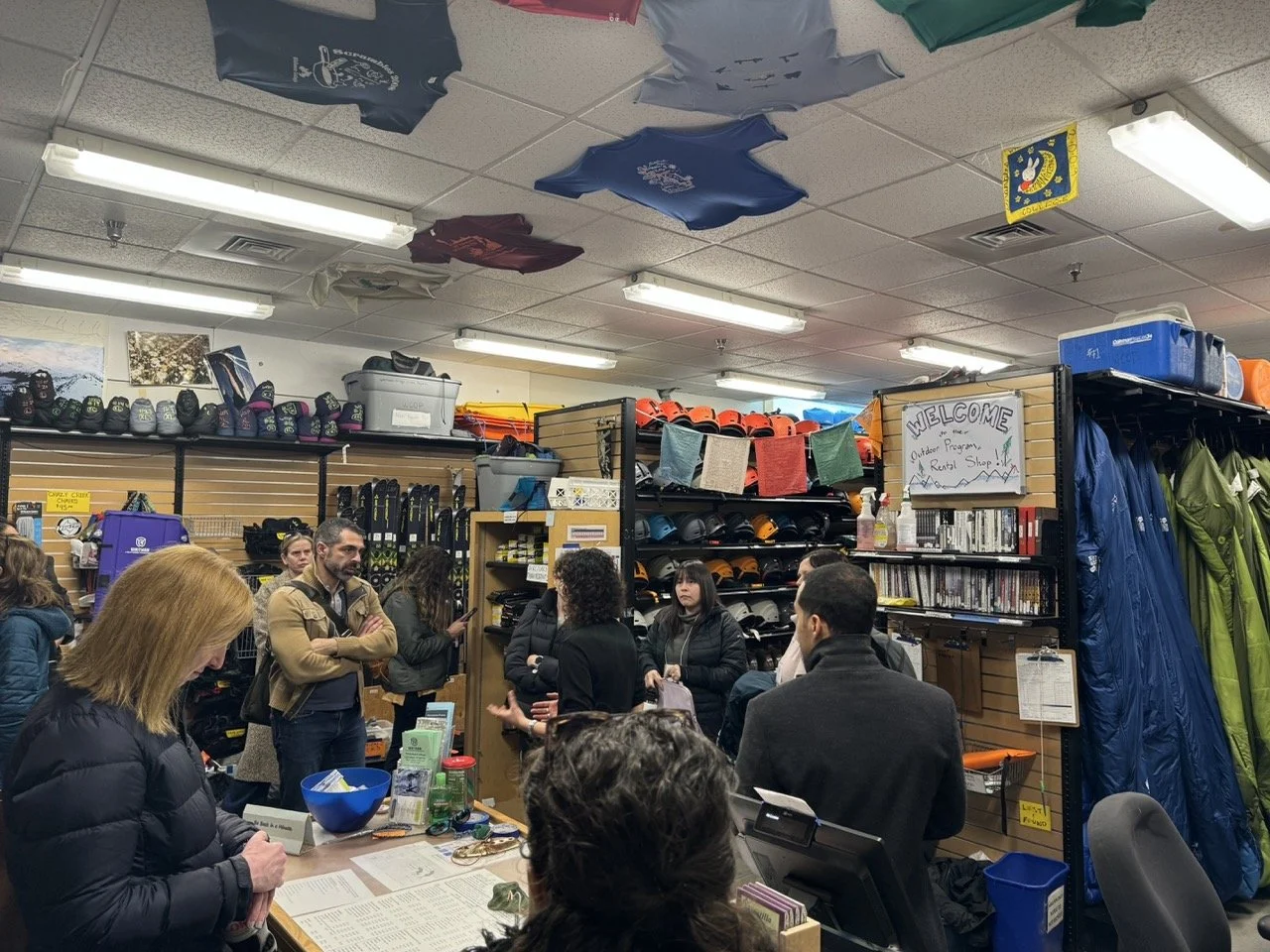
I try to visit 30–50 college campuses each year, and starting now, I’m going to share more of those experiences here on the blog. These posts will include my personal notes, impressions, and images from each stop - some practical, some purely observational. Whether you’re a prospective student, a parent, or just someone who enjoys exploring different college environments, I hope this series gives you a better sense of what these places are really like on the ground!
Whitman College: Sweet Onions, Serious Learning, and Stargazing Nights
Quick Look
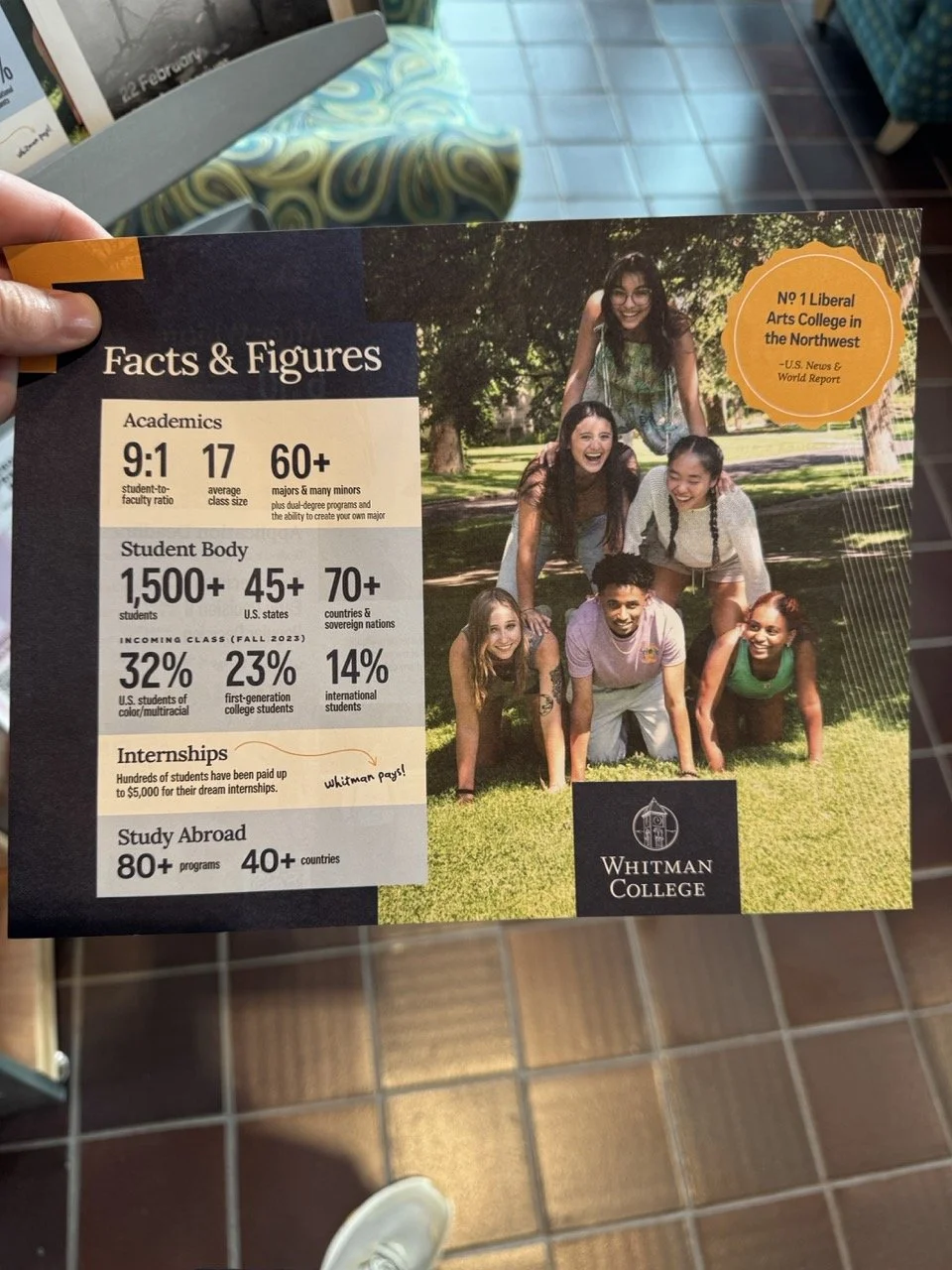
Small liberal arts college (~1,500 undergraduates) with very low student-faculty ratio and a tight-knit community
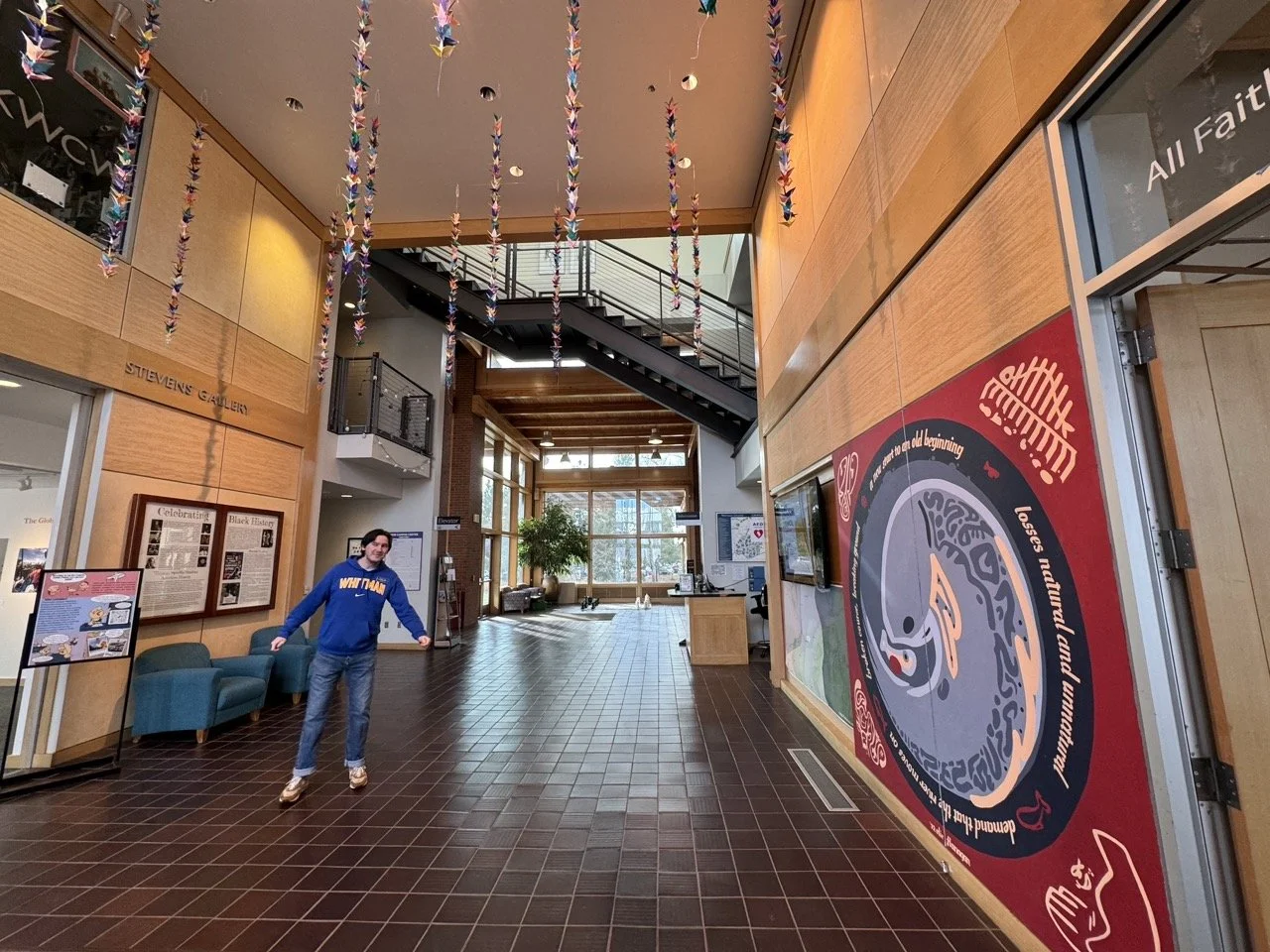
Deep efforts to engage with local Native American communities and histories
Campus is walking distance to downtown Walla Walla
Unique “Semester in the West” program: immersive field study in U.S. West’s economic, social, political/social environmental landscapes
Nearly all majors require a thesis-style capstone
Currently meeting ~95% of demonstrated financial need; robust merit scholarships (some up to ~$40,000)
Test optional; academic rigor and fit matter more in admissions
Overview
Whitman is a quintessential liberal arts college with a Pacific Northwest flavor - rigorous, intimate, and intentional. What makes it distinct is how much it’s tied to Walla Walla itself, a town known nationally for its wine and its famous sweet onions. That quirky, rooted detail says a lot about Whitman: it’s proud of place. Proud of being a little different, and proud of cultivating things (and people) that grow slowly and well.
Location
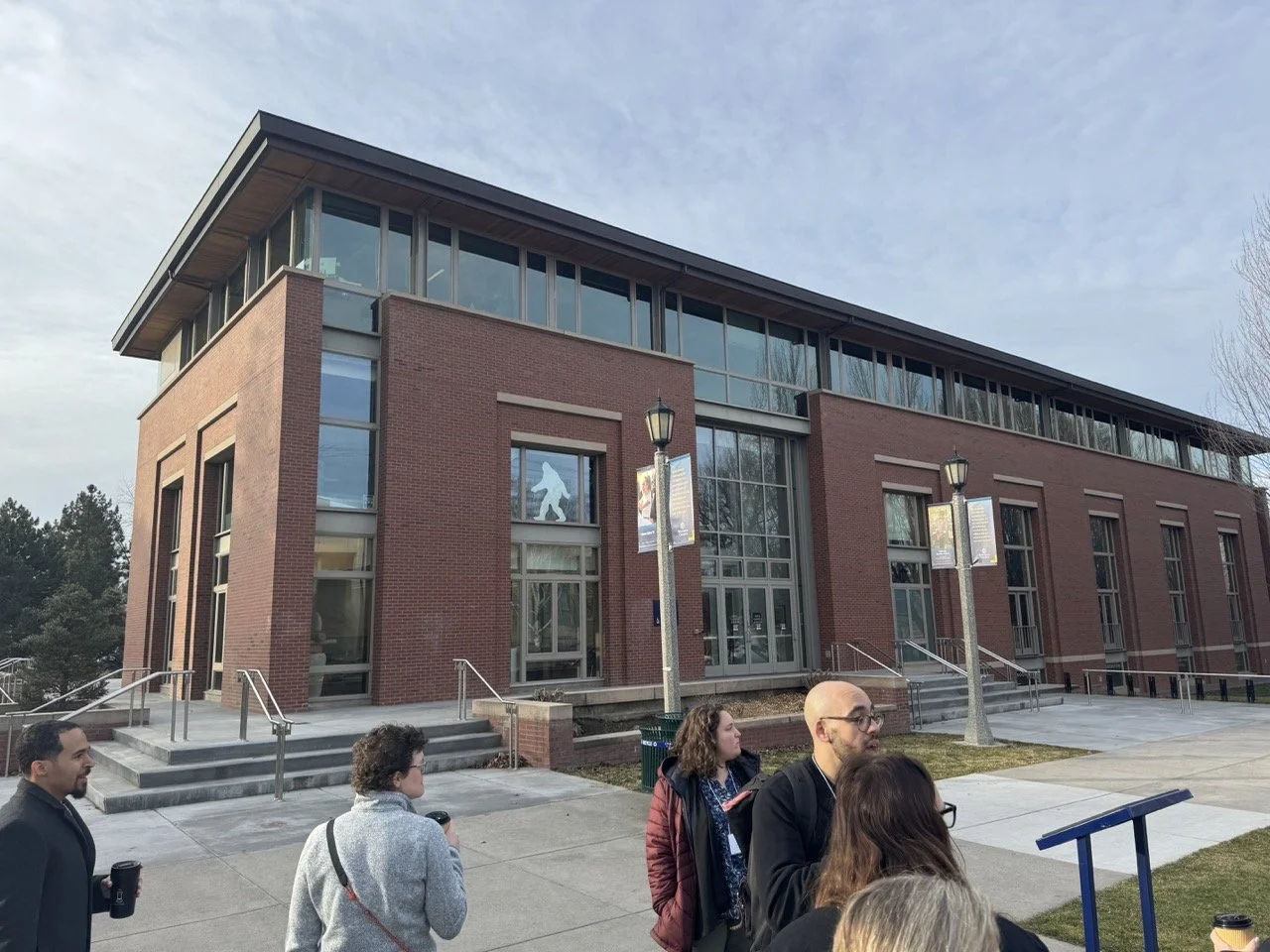
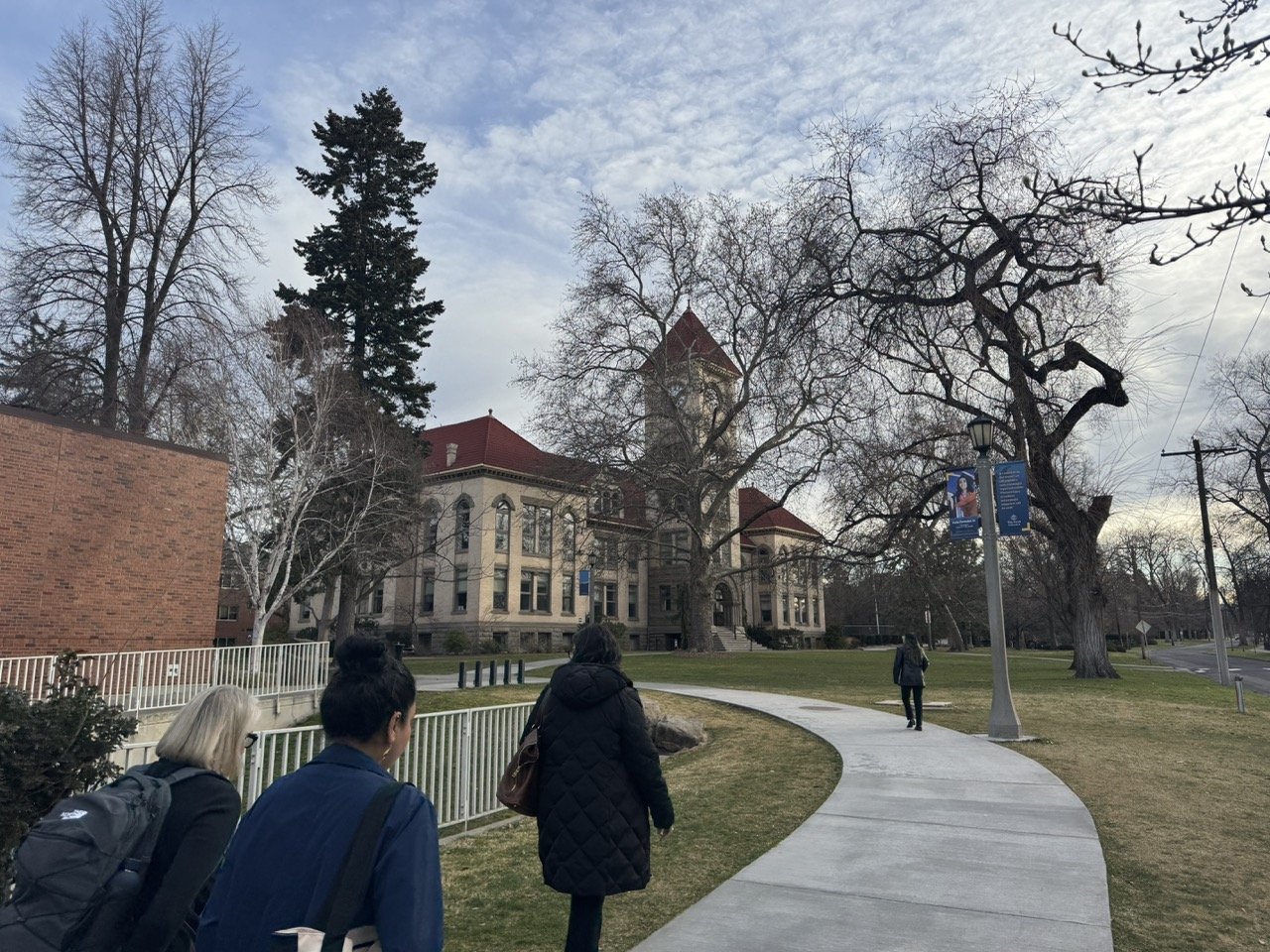
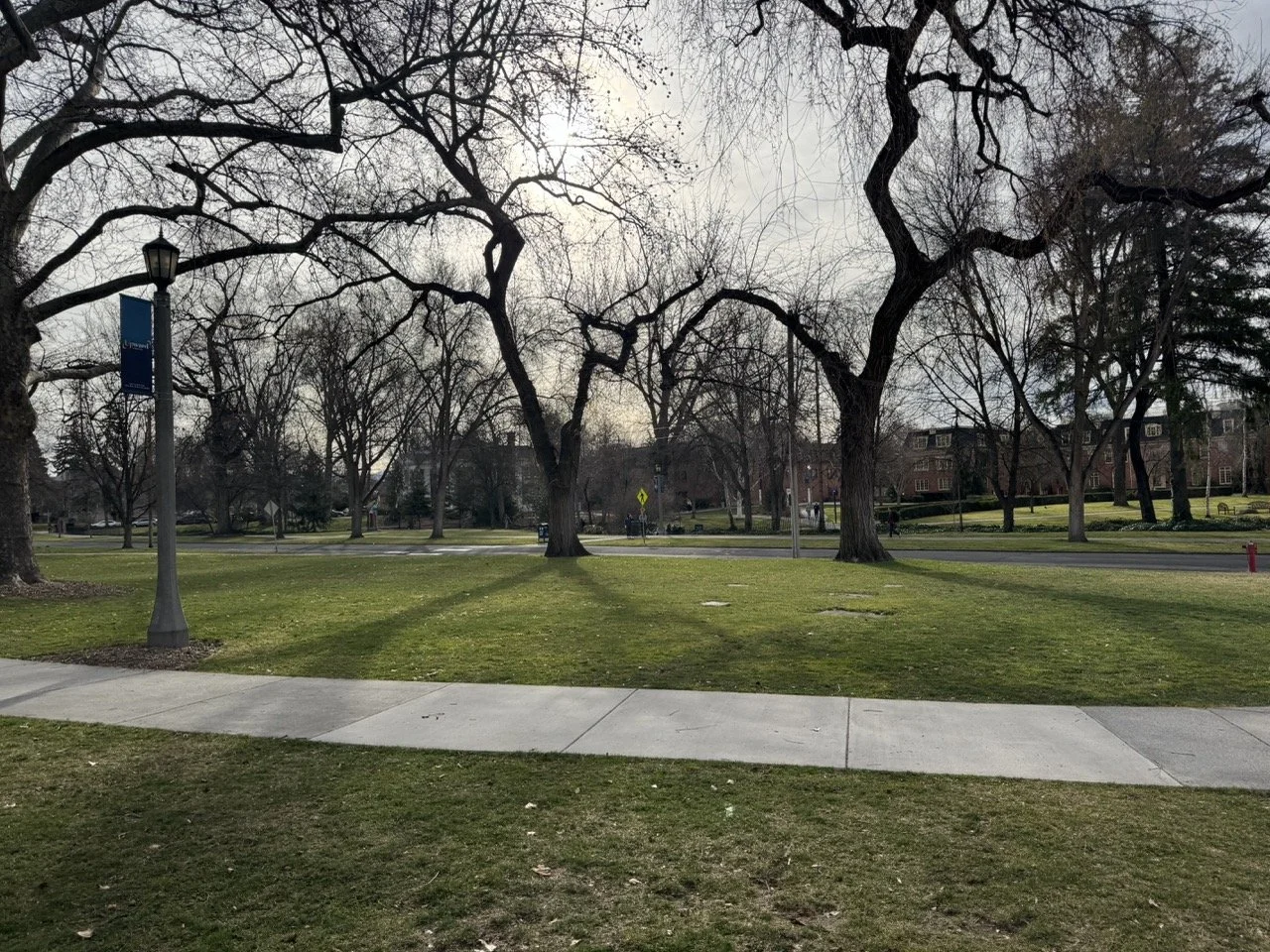
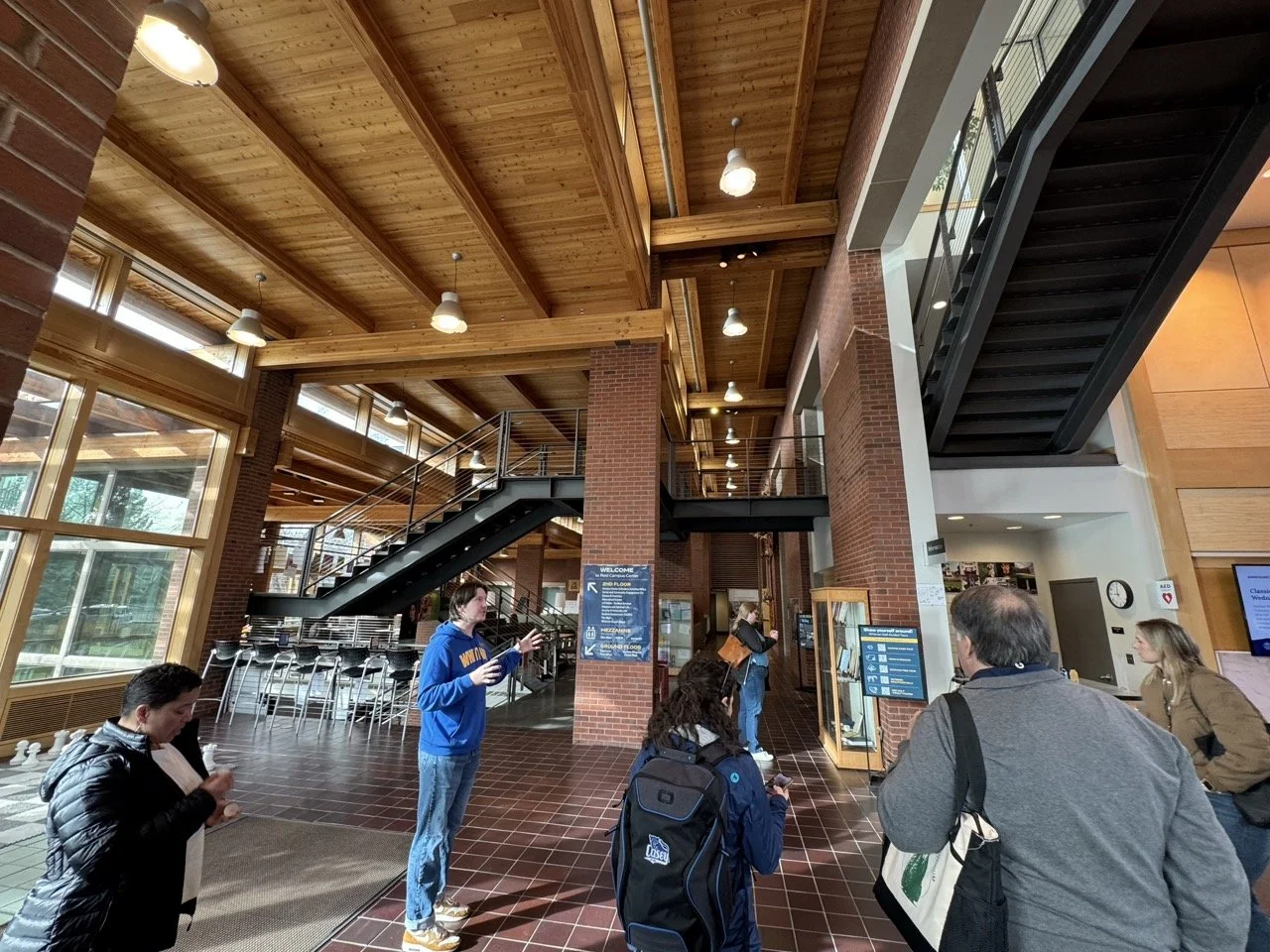
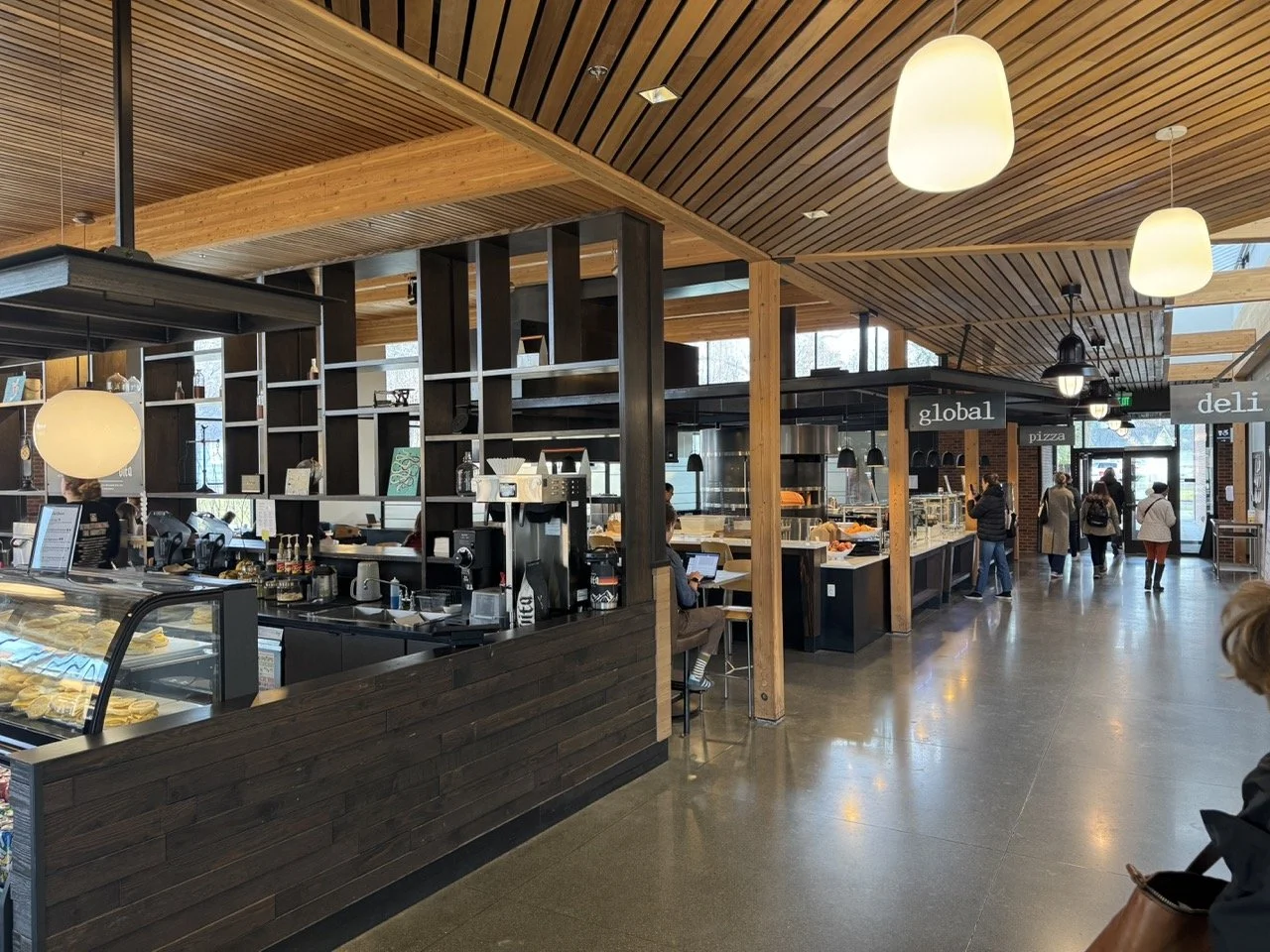
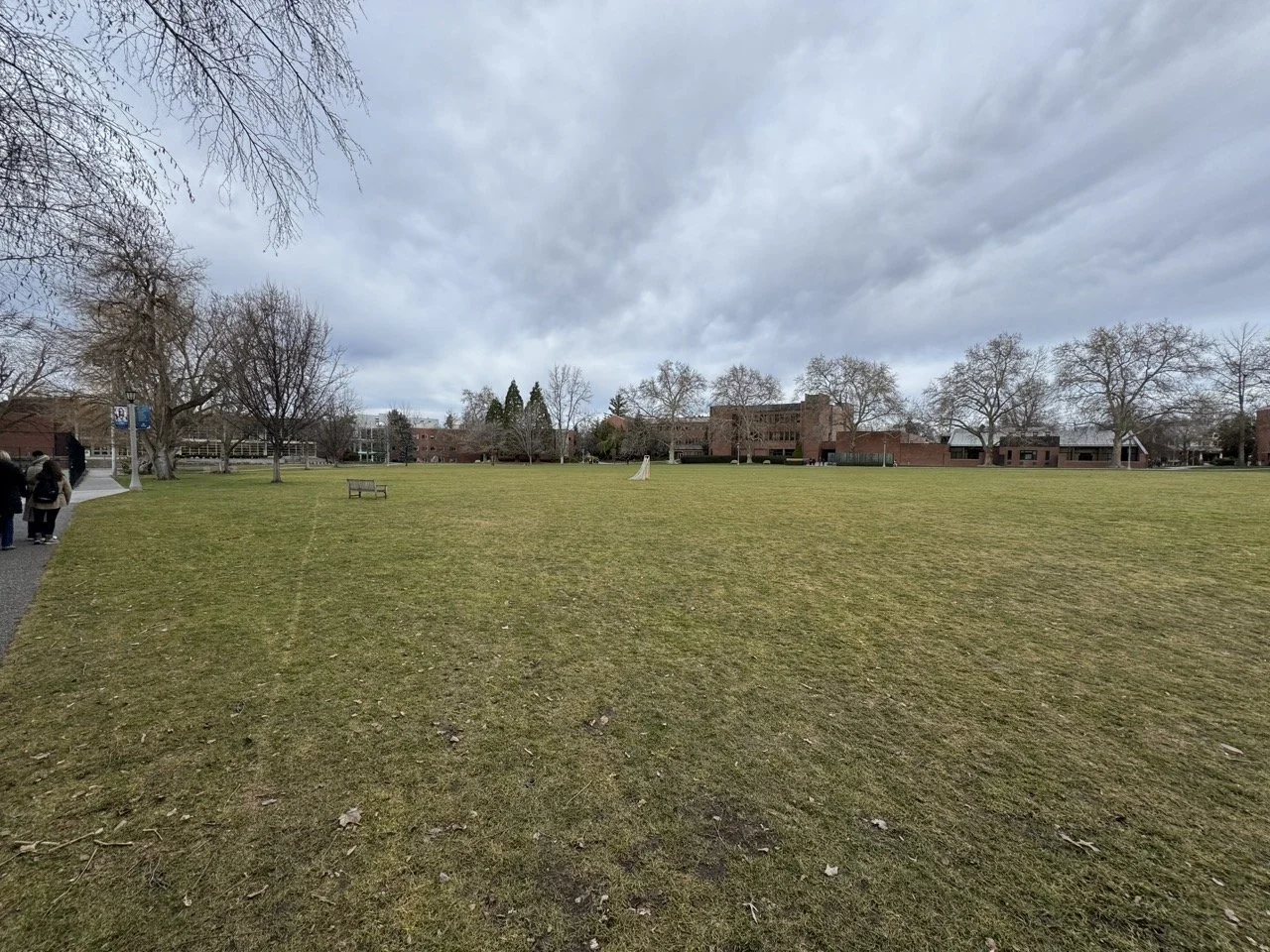
Whitman sits in Walla Walla, Washington, tucked between agricultural valleys and the Blue Mountains. The campus is literally walking distance to downtown, so students can easily tap into cafes, galleries, local government, and regional life.
Air access is modest but workable:
Walla Walla airport: connects to Seattle, roughly 2 flights/day
Pasco airport: about 45 minutes away, giving more flight options
For families and fall/spring travel, that means you’re not stranded - but you will have a “small town” travel mindset.
Academics & Majors
One of Whitman’s strongest signatures is thesis-style capstone requirements. Almost every department culminates in a substantial project, oral defense, or similar integrative work. That means your learning is meant to be generative, original, and reflexive.
Classes are typically small. It’s rare for a major to host giant lecture halls. Even environmental studies, which is one of the larger areas, splits into subfields so students can dig deep in focused areas.
The “Semester in the West” program is a standout: students travel and study across the American West - from high desert to Indigenous lands - exploring social, ecological, economic, and political issues. That kind of field immersion is more than textbook learning.
Admissions & Fit
Whitman has adopted a test-optional policy, and standardized tests are rarely the deciding factor.
Academic rigor - what your school offered, how you took on a challenge - is more compelling than test scores.
They also value character, community engagement, and students who are likely to be involved, curious, and reflective.
Merit scholarships are meaningful. Some students receive discounts up to $40,000 off tuition, depending on profile and fit. You’ll often see a mix of institutional and departmental awards.
Because Whitman wants to grow access, they aim to meet nearly all demonstrated need (currently ~95%).
Student Life & Social Culture
With no Greek life dominating campus, the social and cultural web is built around shared interests, place, and curiosity.
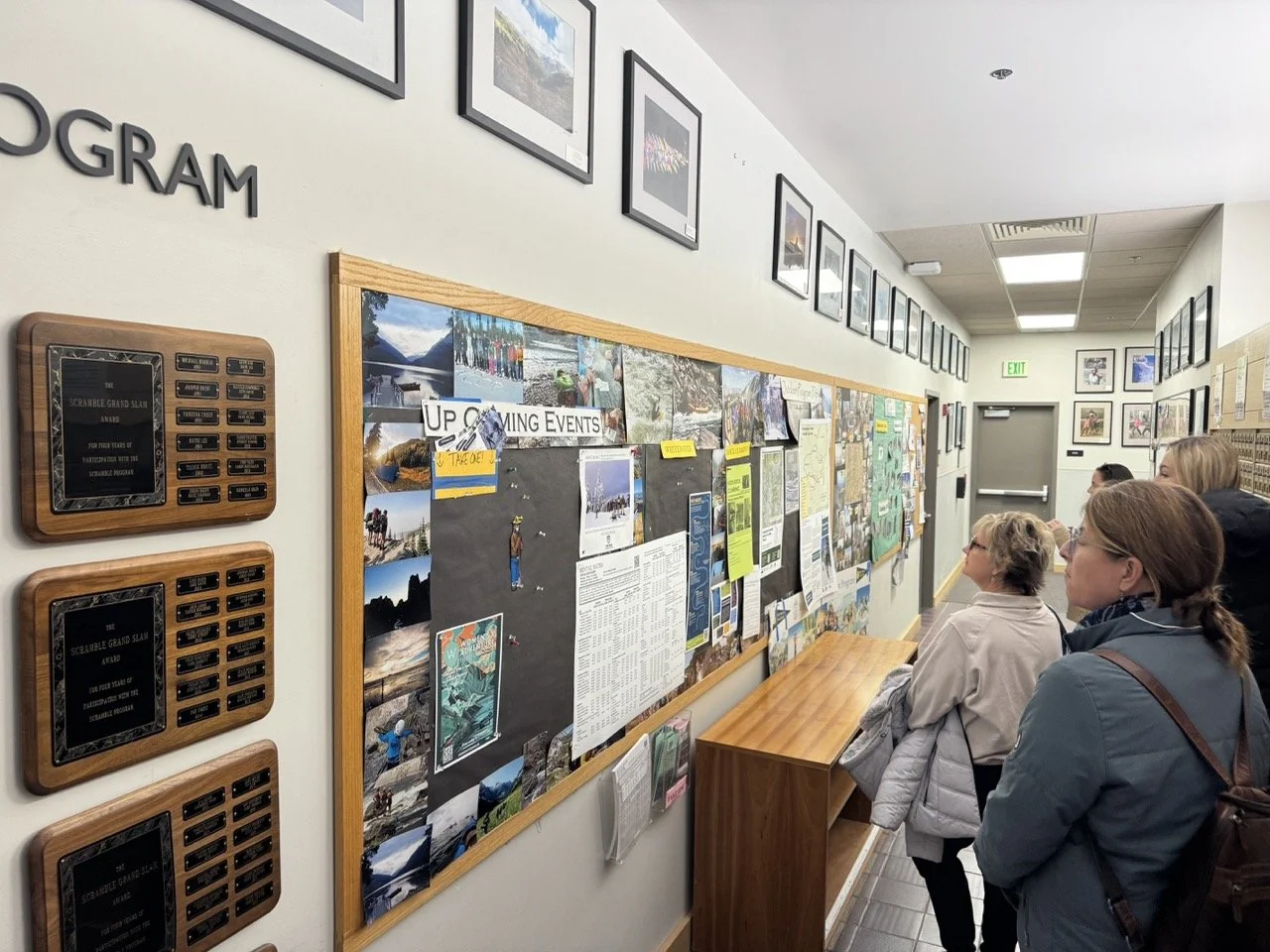
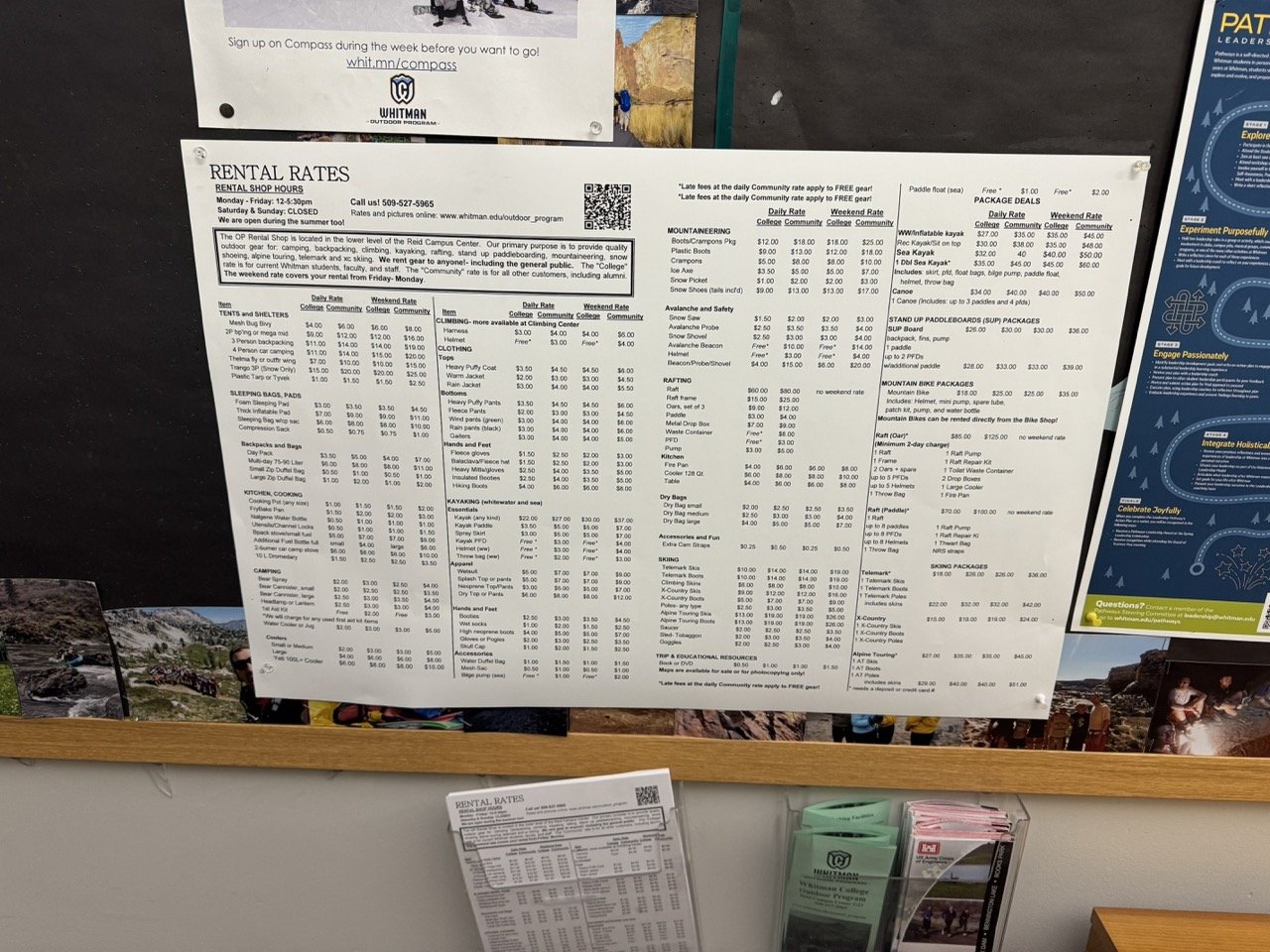
Events like stargazing nights each semester draw folks together across disciplines, reminding everyone how small and large we are at once. Outdoor programs are well supported - students receive $150/year to engage in subsidized outdoor trips (hiking, climbing, etc.).
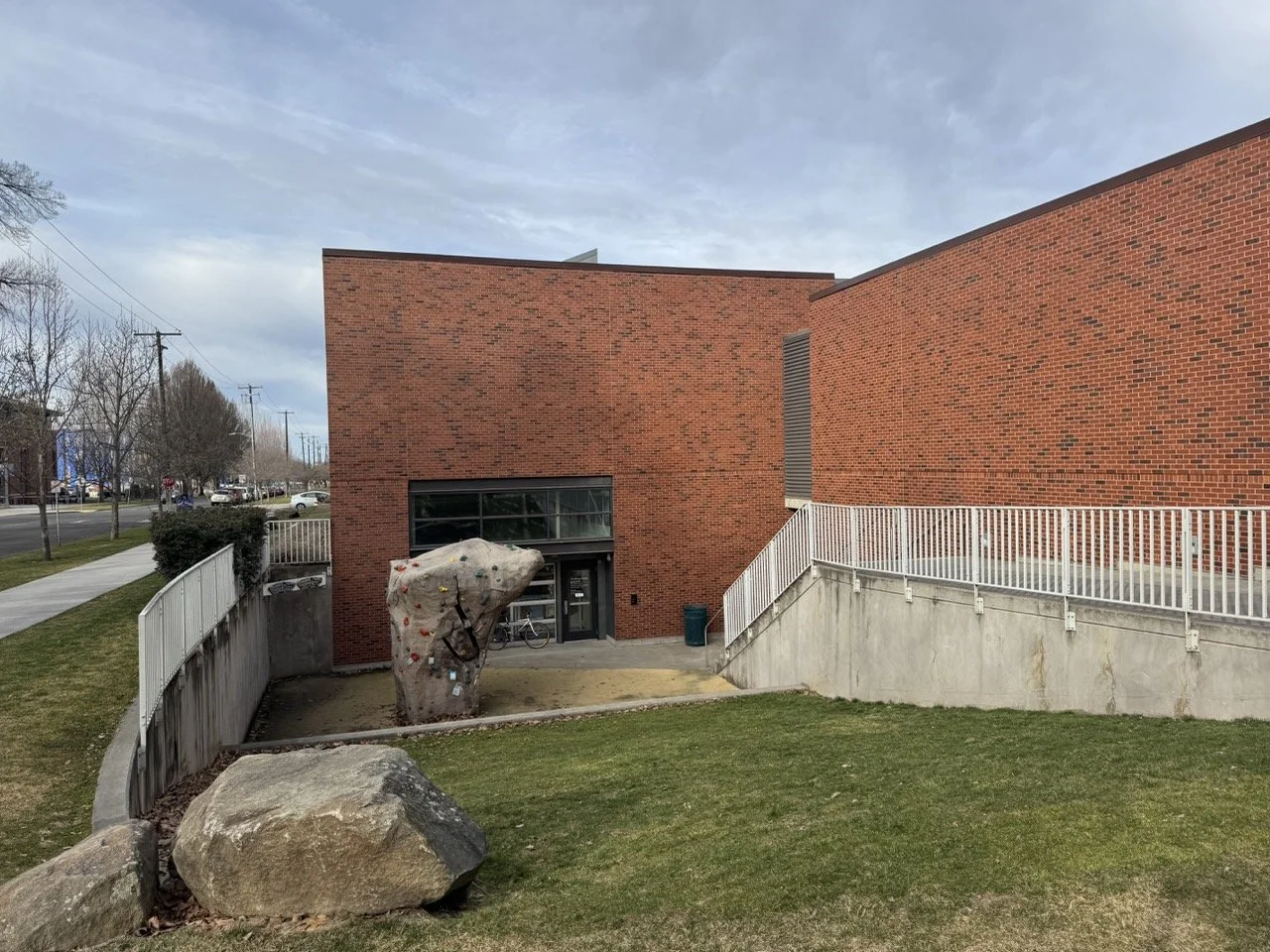
Clubs are active and meaningful. Popular ones: climbing team, cycling team, ultimate frisbee. If it’s outdoor, adventurous, or boundary-pushing, there’s probably a group for it.
Athletics
Whitman athletics are NCAA Division III, part of the Northwest Conference.
They offer ~17 varsity programs (men & women) across traditional sports.
A good portion of the student body (~20–25%) are student-athletes.
The energy is not exclusively varsity: club sports are robust. Whitman has nationally competitive club teams in cycling and ultimate. The cycling team, in particular, has national championships under its belt.
Cost & Scholarships
Whitman is not inexpensive, but it takes financial commitments seriously:
For 2024–25, tuition is listed around $63,500 inclusive of room/board/fees
Merit scholarships up to $30,000 are awarded to high-achieving students.
Nearly all students receive financial aid, and those average awards (for those with need) are high (~$57,884 in one recent year)
Whitman’s admissions/budget model aims to lift financial barriers, though they are not yet at 100% need met (currently ~95%)
Final Thoughts: Who Would Thrive at Whitman
Whitman is a place for students who:
want an intimate community where your professors, peers, and place are interconnected
care deeply about place, ecology, and how history and land shape identity
enjoy research, writing, and synthesis - nearly every major ends with a thesis
love being outdoors - whether that’s climbing, cycling, hiking, or field work
prefer a campus where passion, curiosity, and connection matter more than prestige or spectacle
are comfortable with small-town logistics (modest air access) because the trade-off is often what you gain in emotional depth, community, and groundedness.