Tour Tuesday: Reed College
I try to visit 30–50 college campuses each year, and starting now, I’m going to share more of those experiences here on the blog. These posts will include my personal notes, impressions, and images from each stop - some practical, some purely observational. Whether you’re a prospective student, a parent, or just someone who enjoys exploring different college environments, I hope this series gives you a better sense of what these places are really like on the ground!
Title: Reed College: A Sanctuary for Curious Minds, Queer Joy, and Academic Adventurers
Quick Look
Seminar-style and conference-style courses, with class conversations prioritized
Grades de-emphasized; narrative evaluation and feedback take center stage
Strong thesis requirement — and that makes double majoring rare
Deep queer presence — many students identify with LGBTQ+ communities
Major feeder into PhD programs — 20–30 % per capita
Meets 100 % of demonstrated financial need (via CSS/FAFSA)
Overview
Walking across Reed College’s campus, you feel the quiet hum of intellectual energy. Bits of philosophy in graffiti, small groups deep in conversation, and the ever-present scent of rain in Portland’s air all hint at one thing: this is a place made for thinkers. In guiding families through Reed, I’d like to pull back the curtain - not just on its rigor, but on its culture, heart, and who would truly flourish here.
Location & Campus Vibe
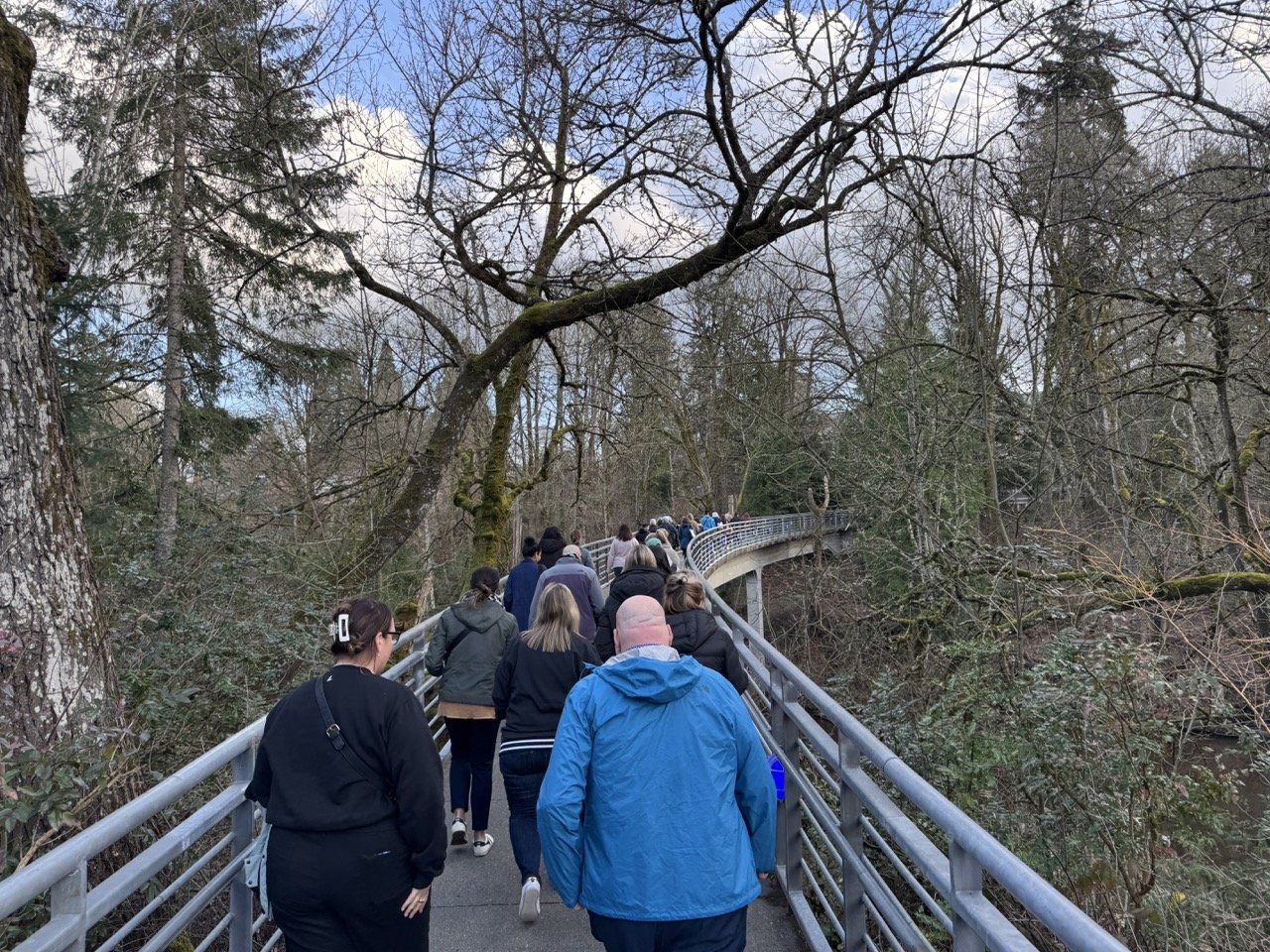
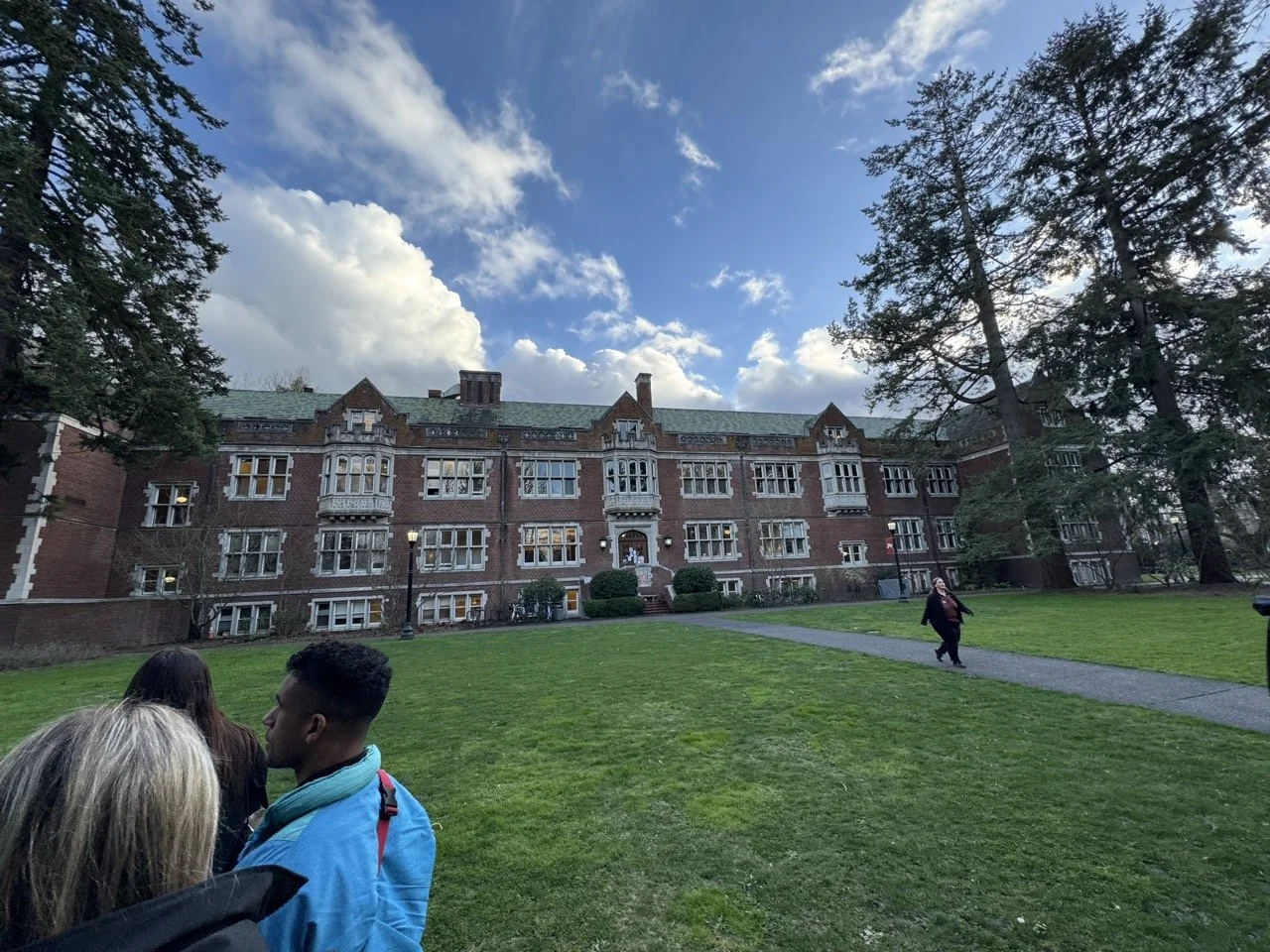
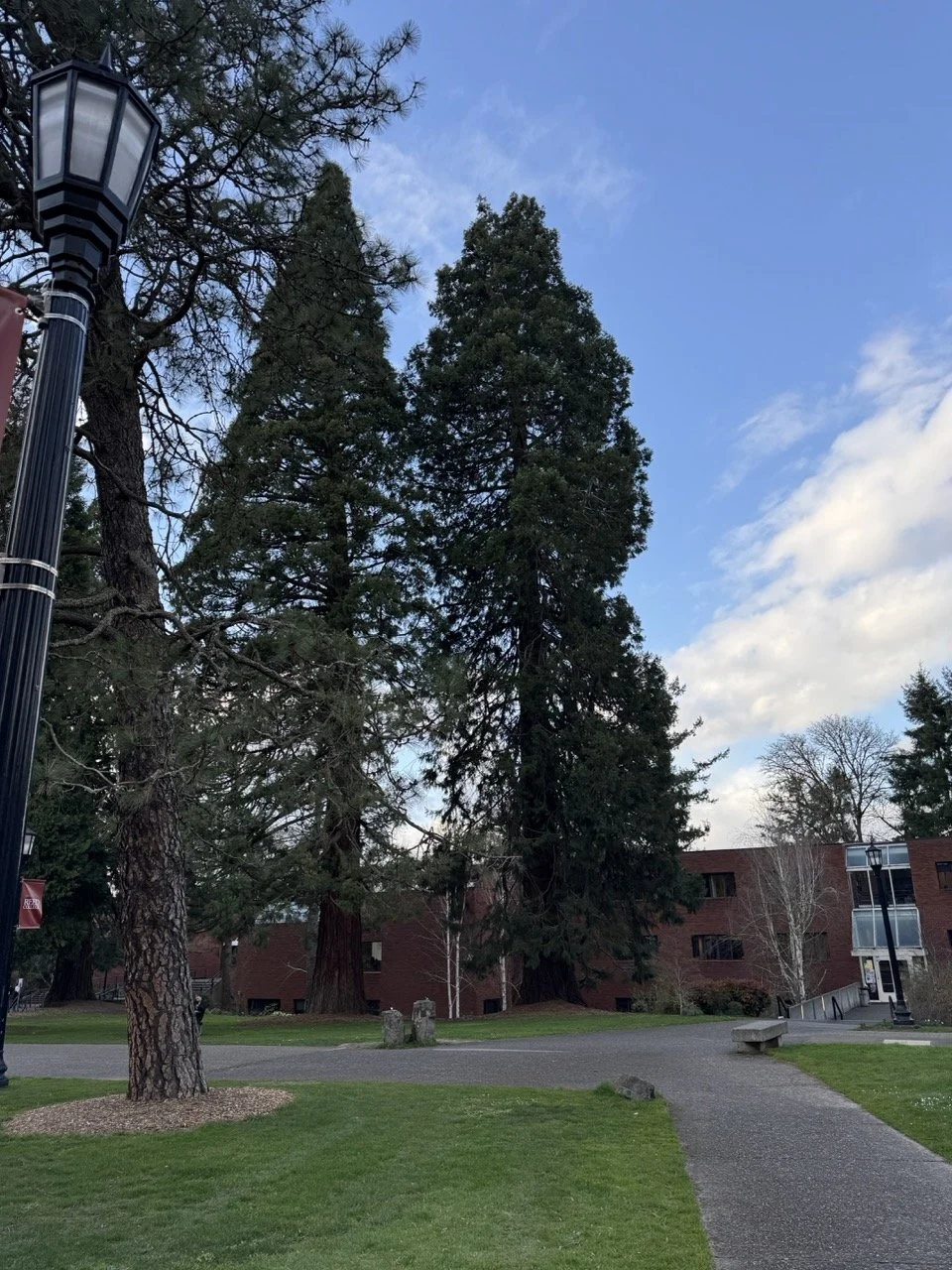
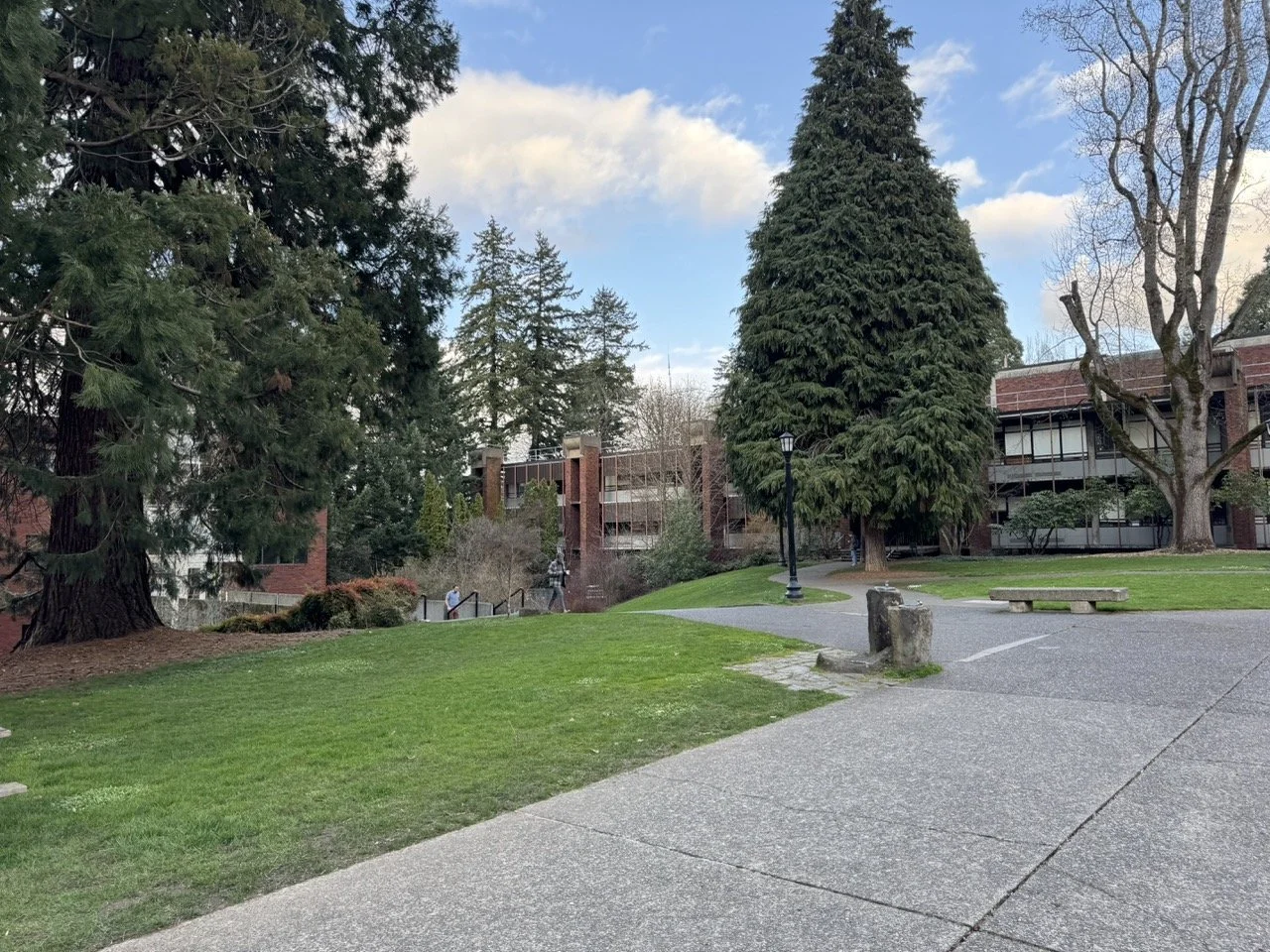
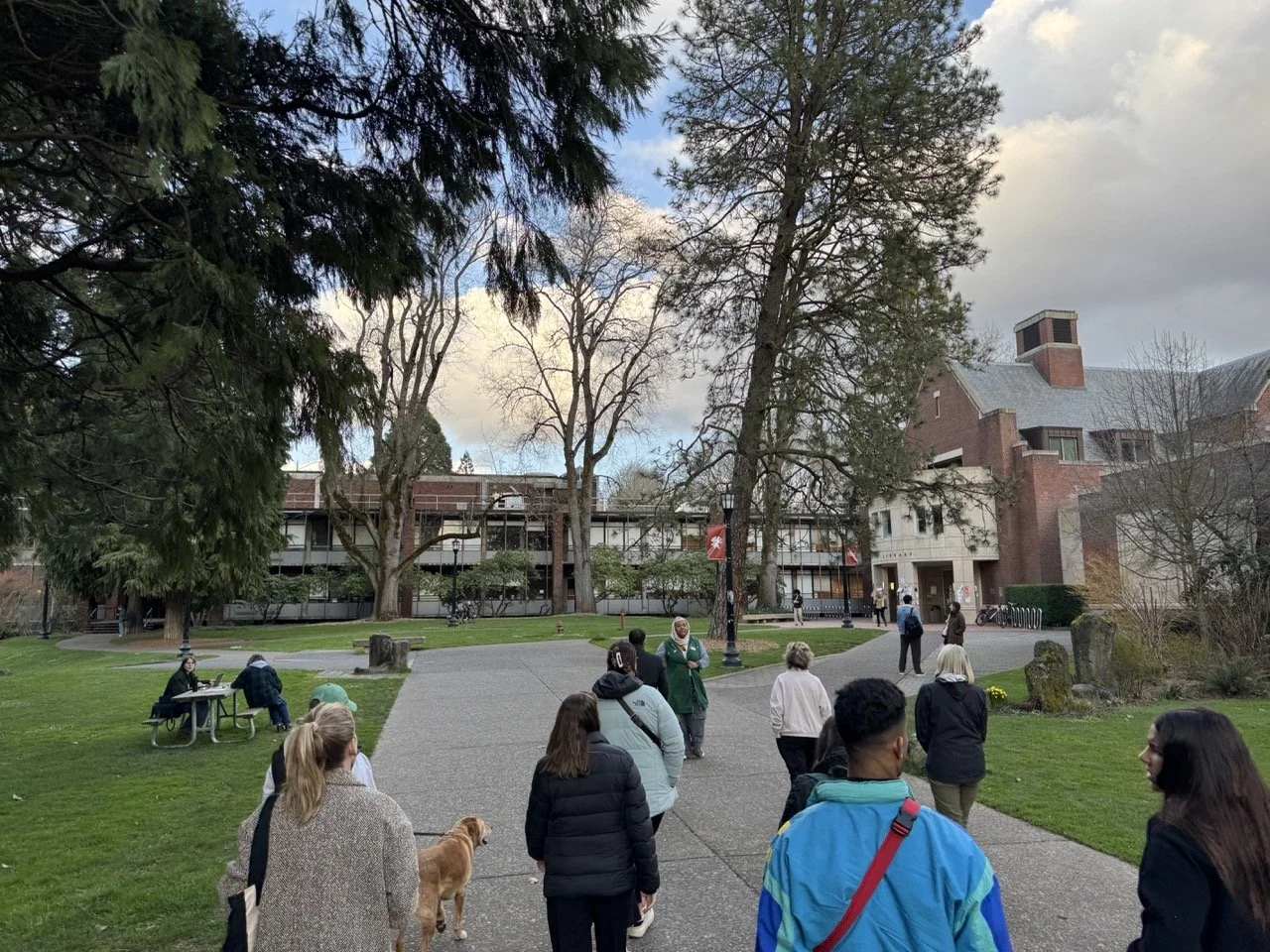
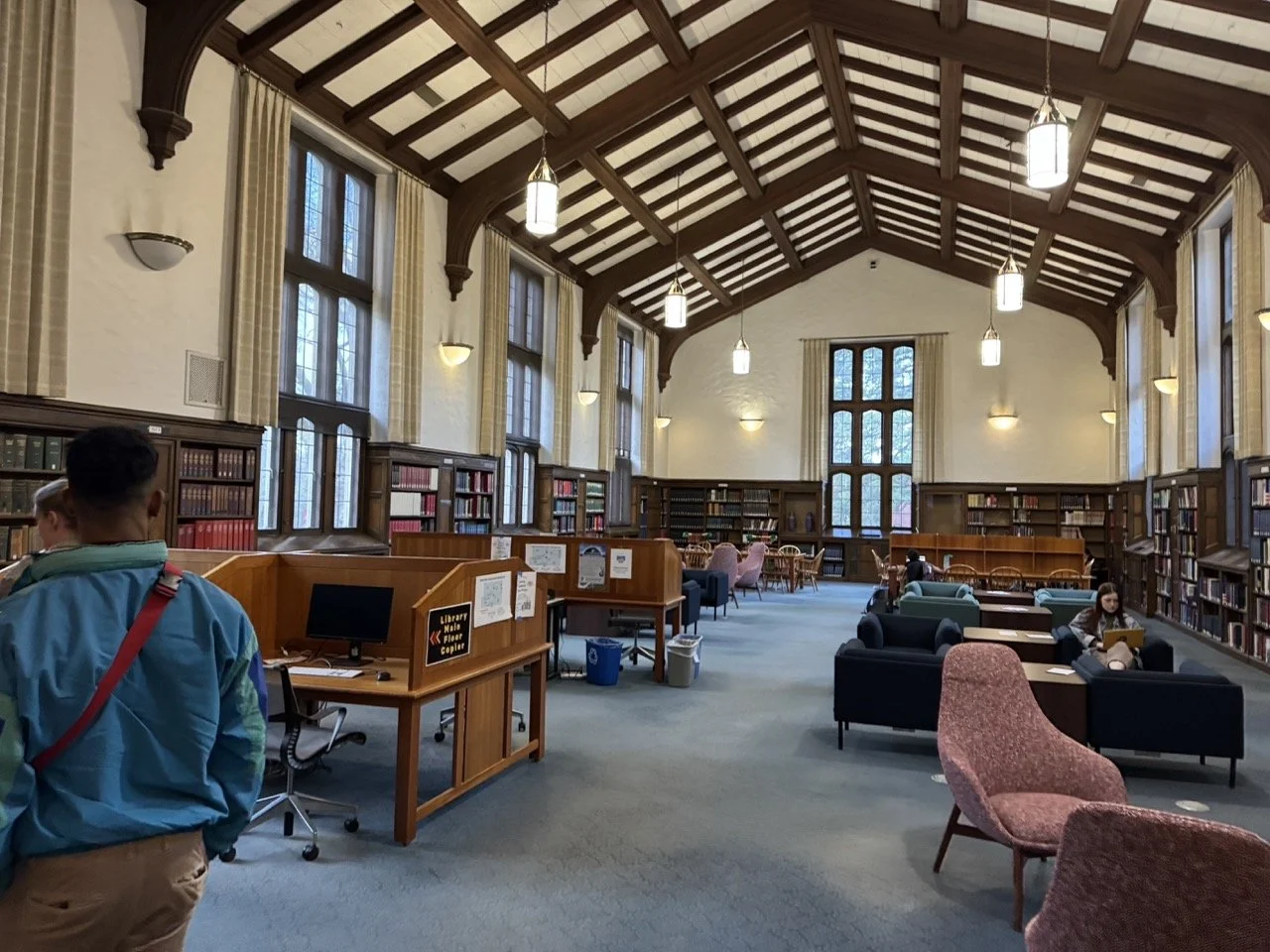
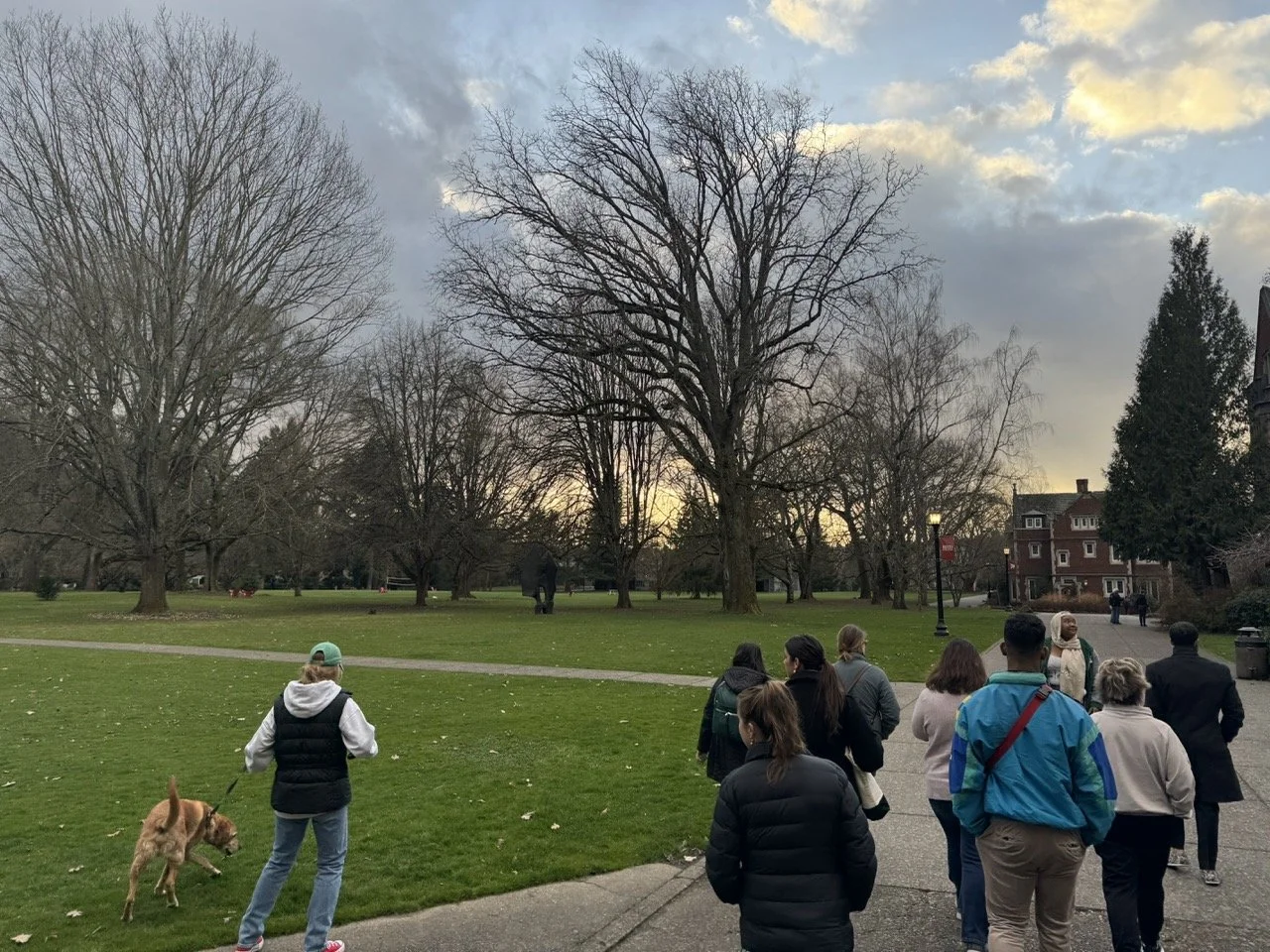
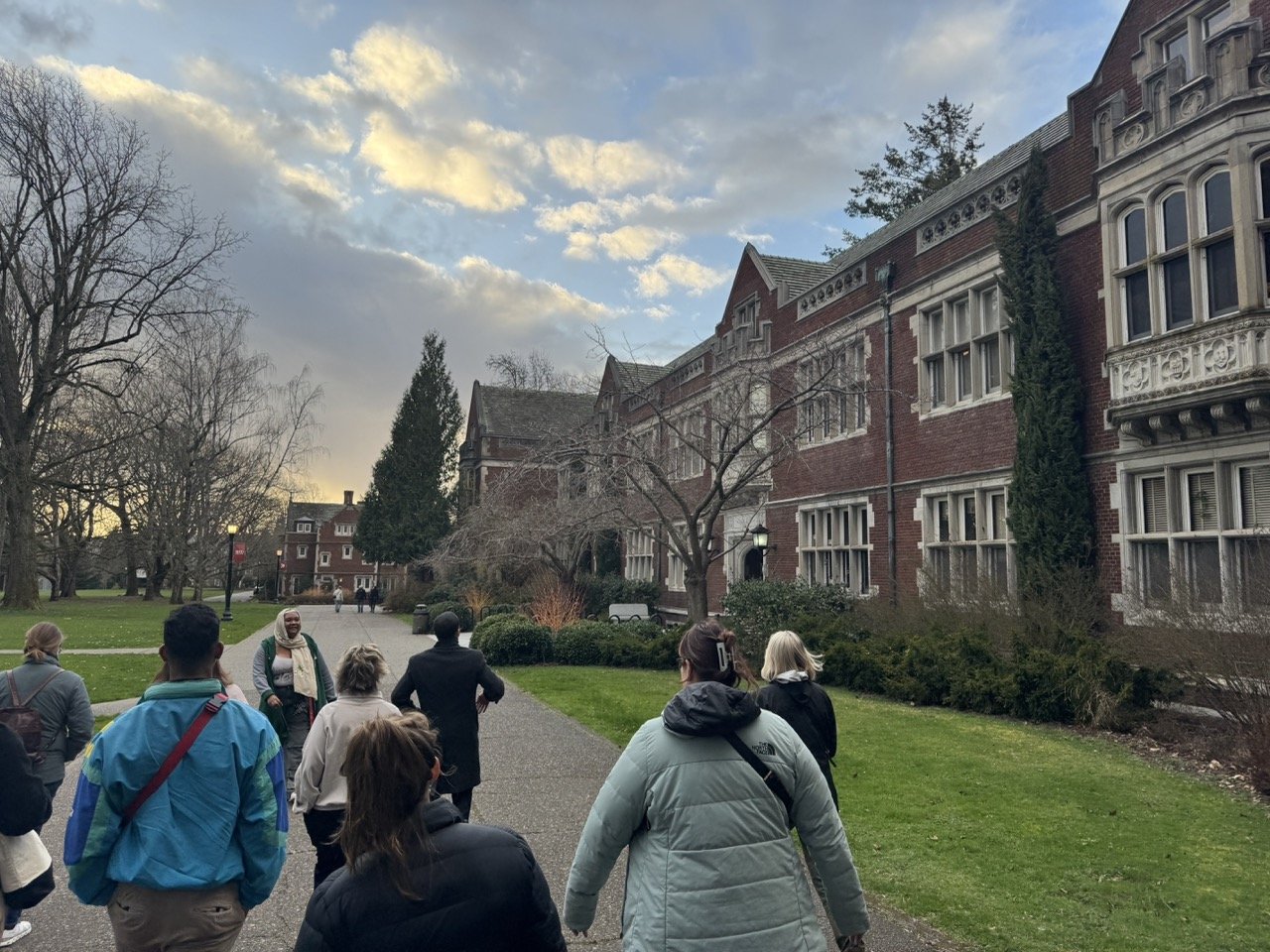
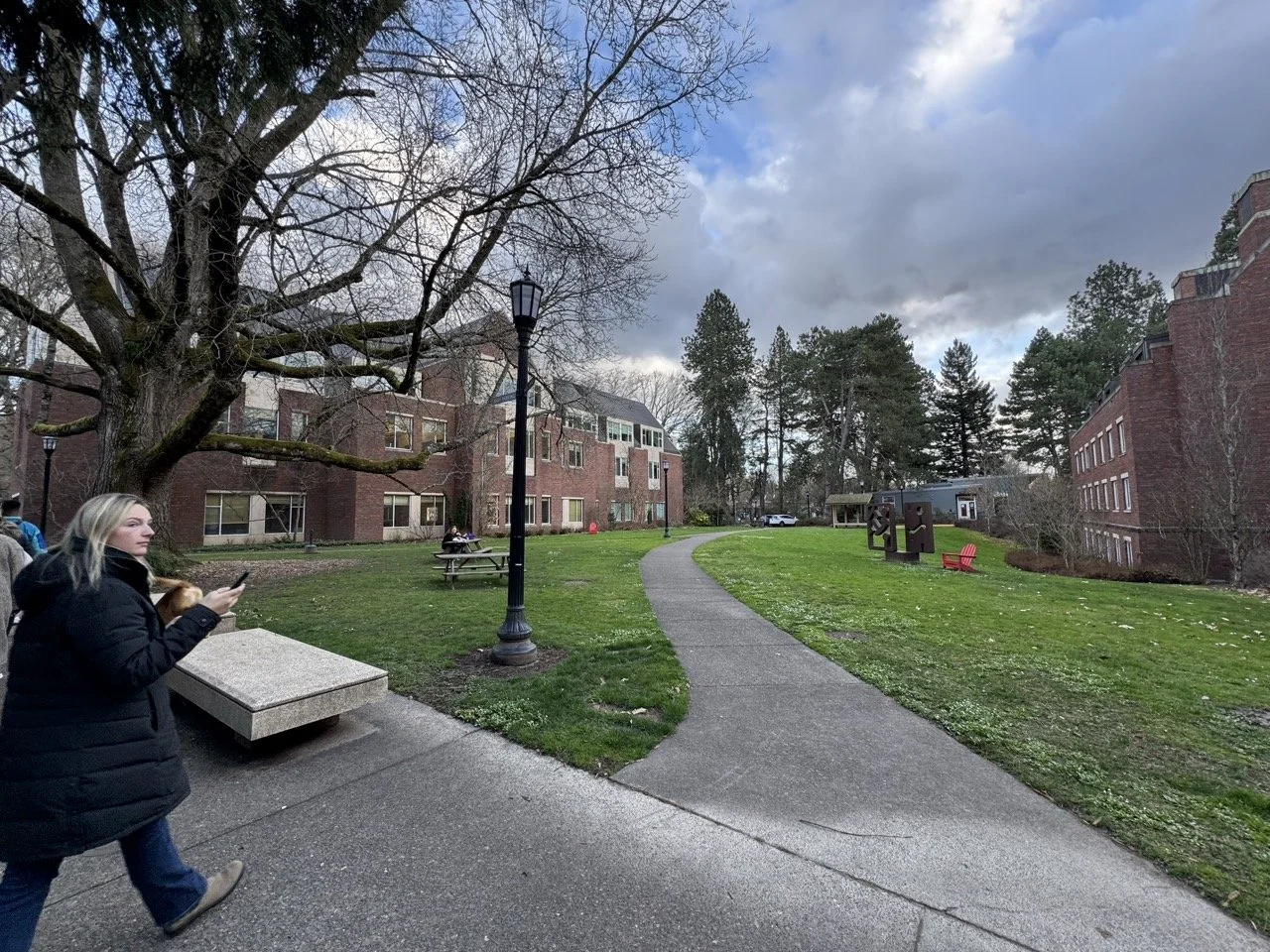
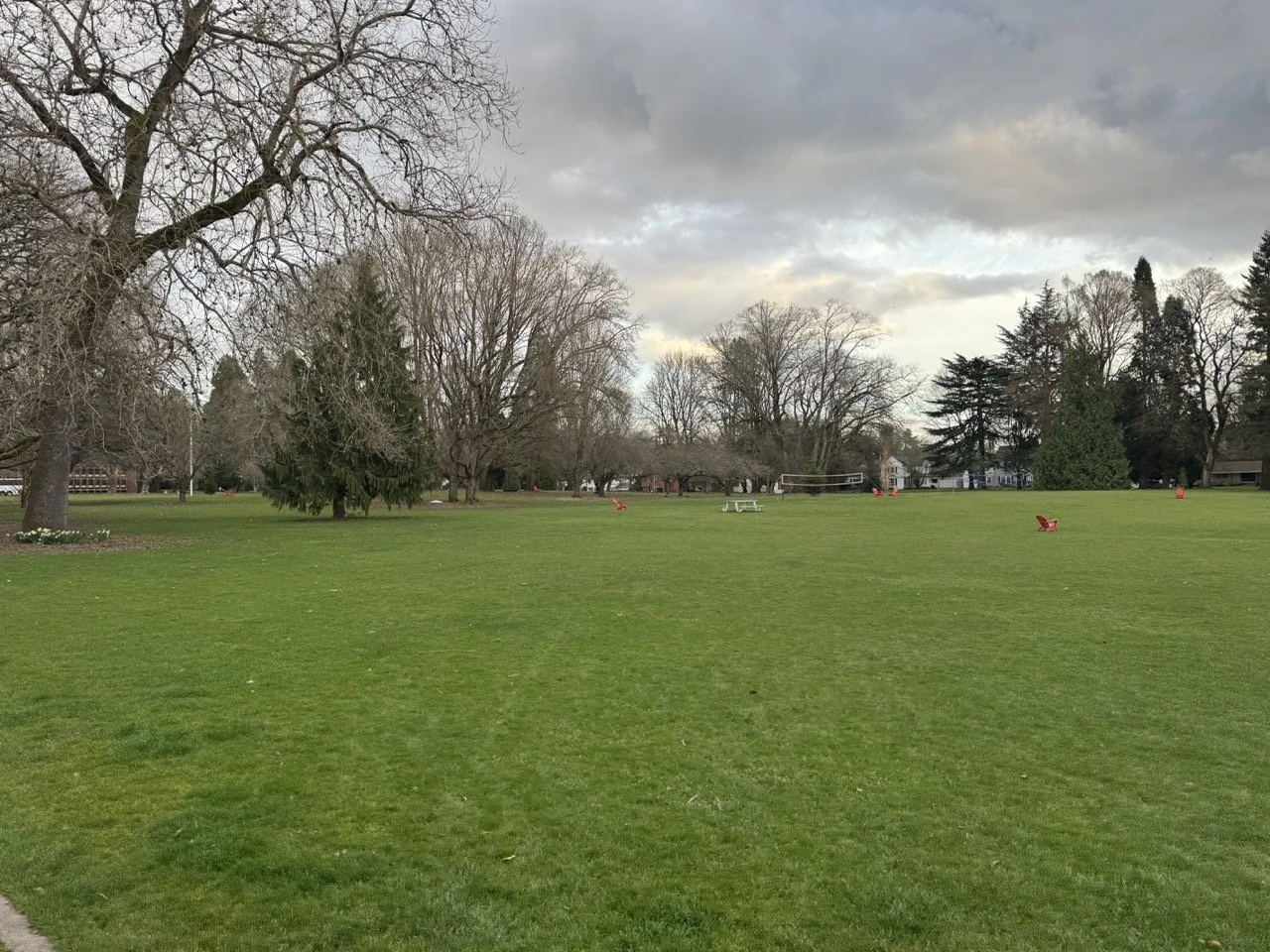
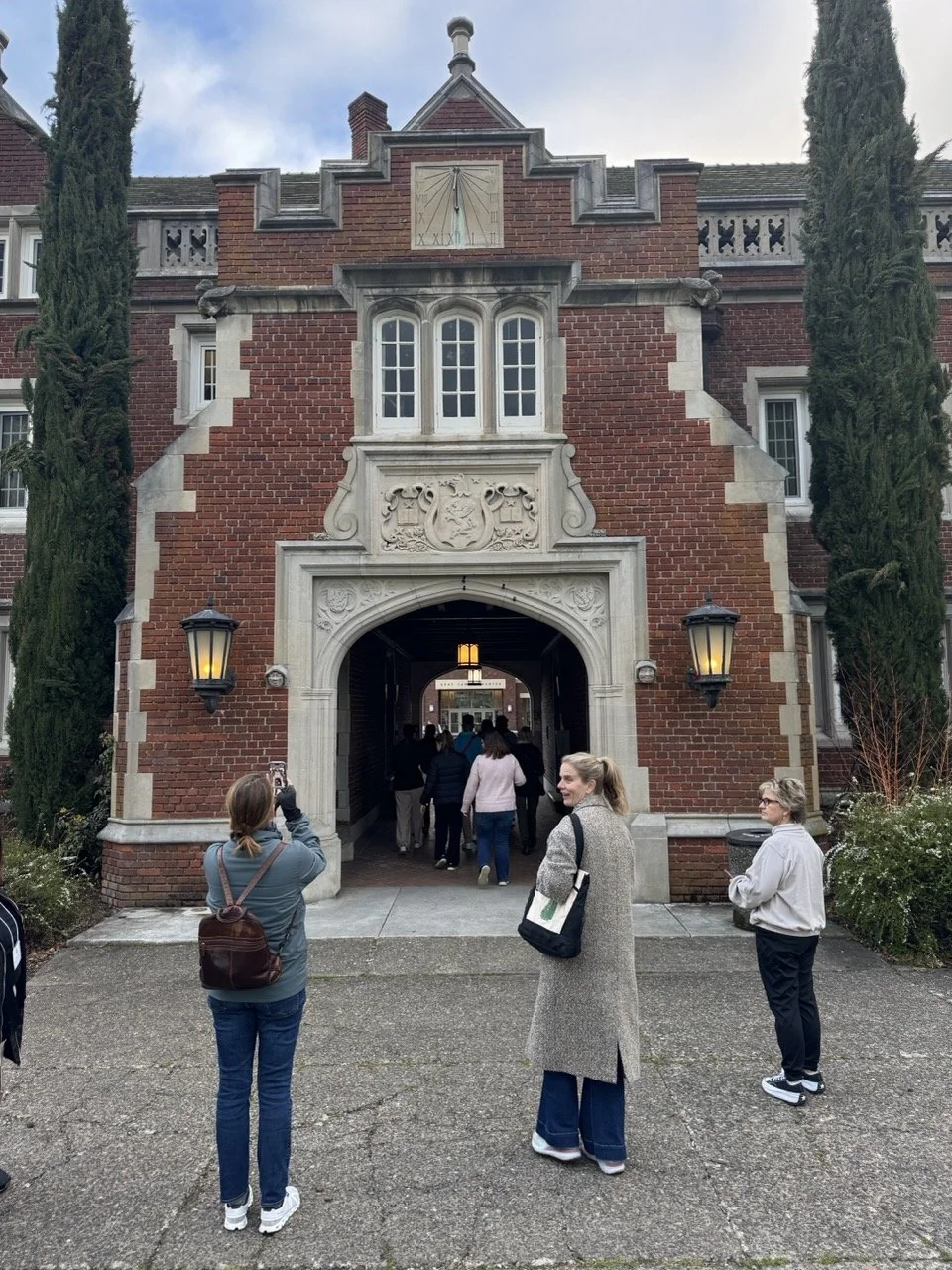
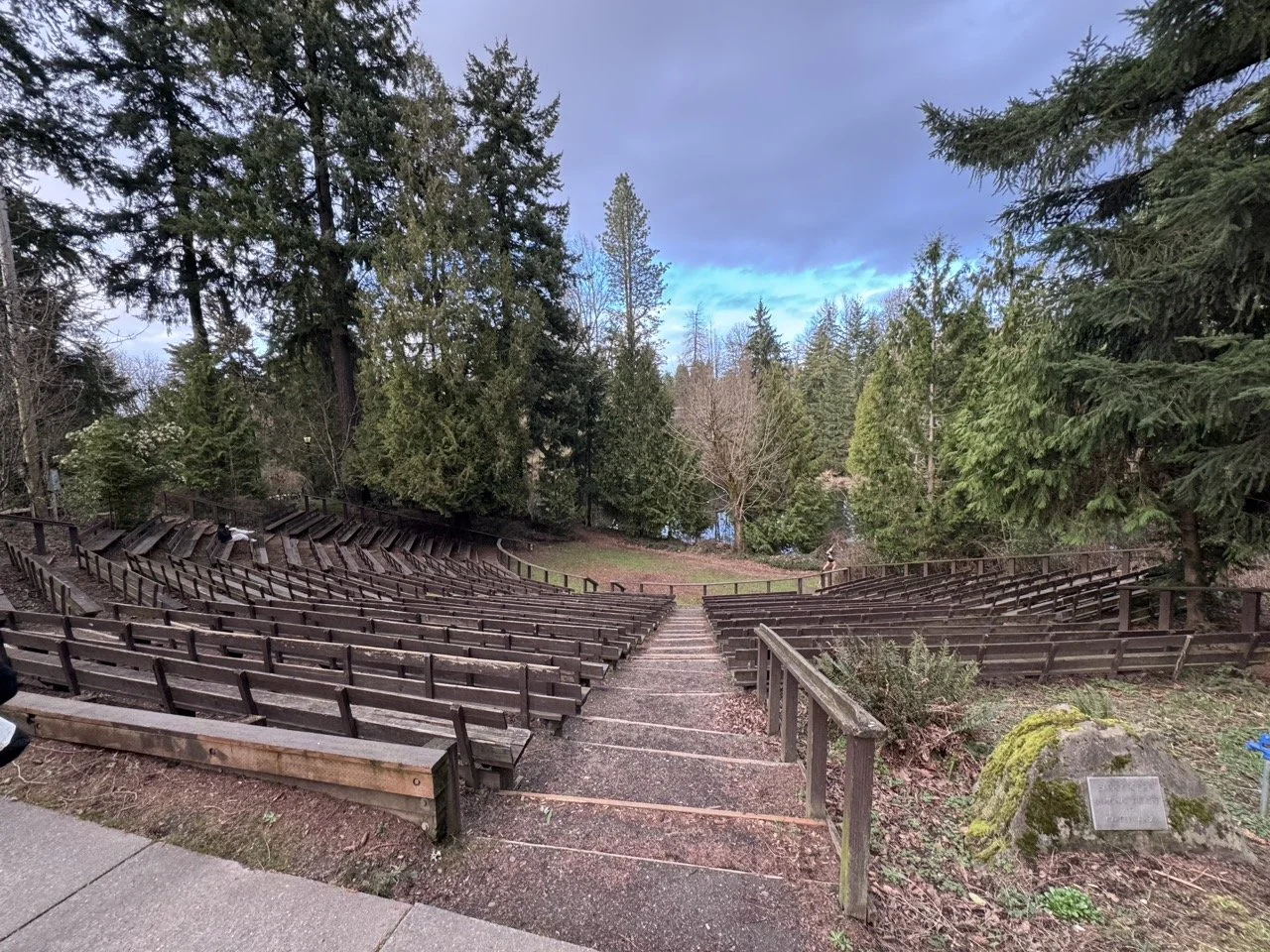
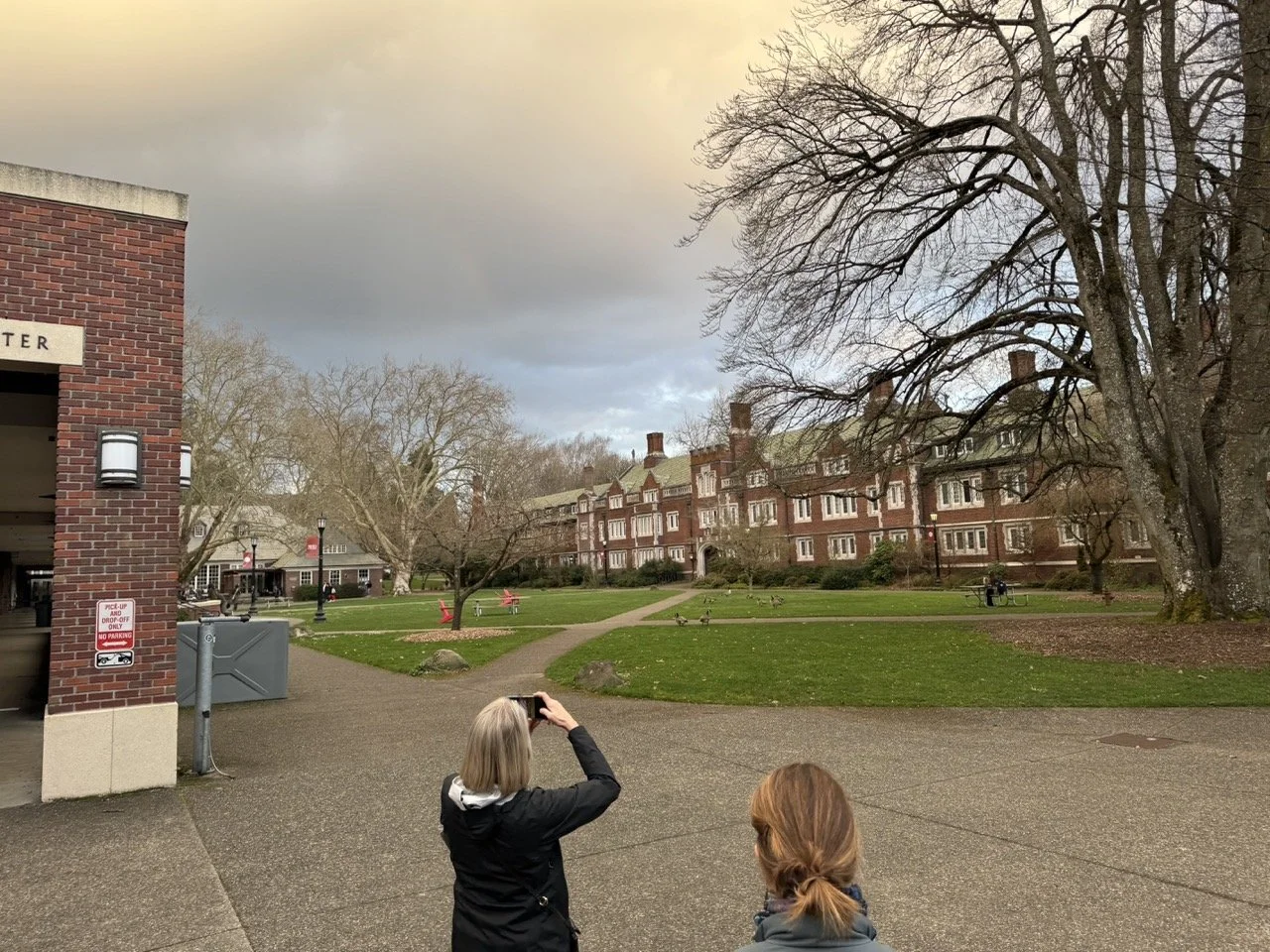
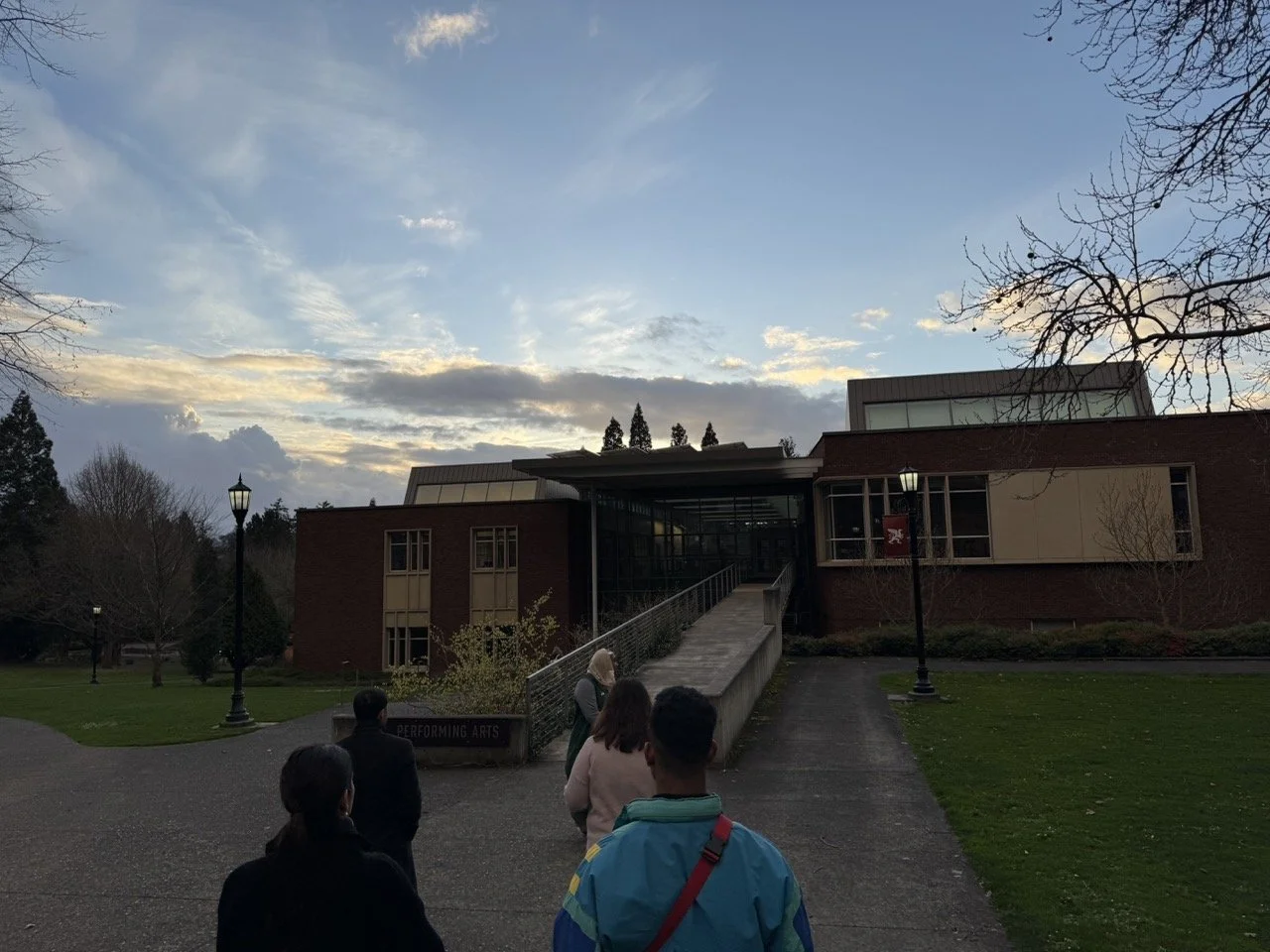
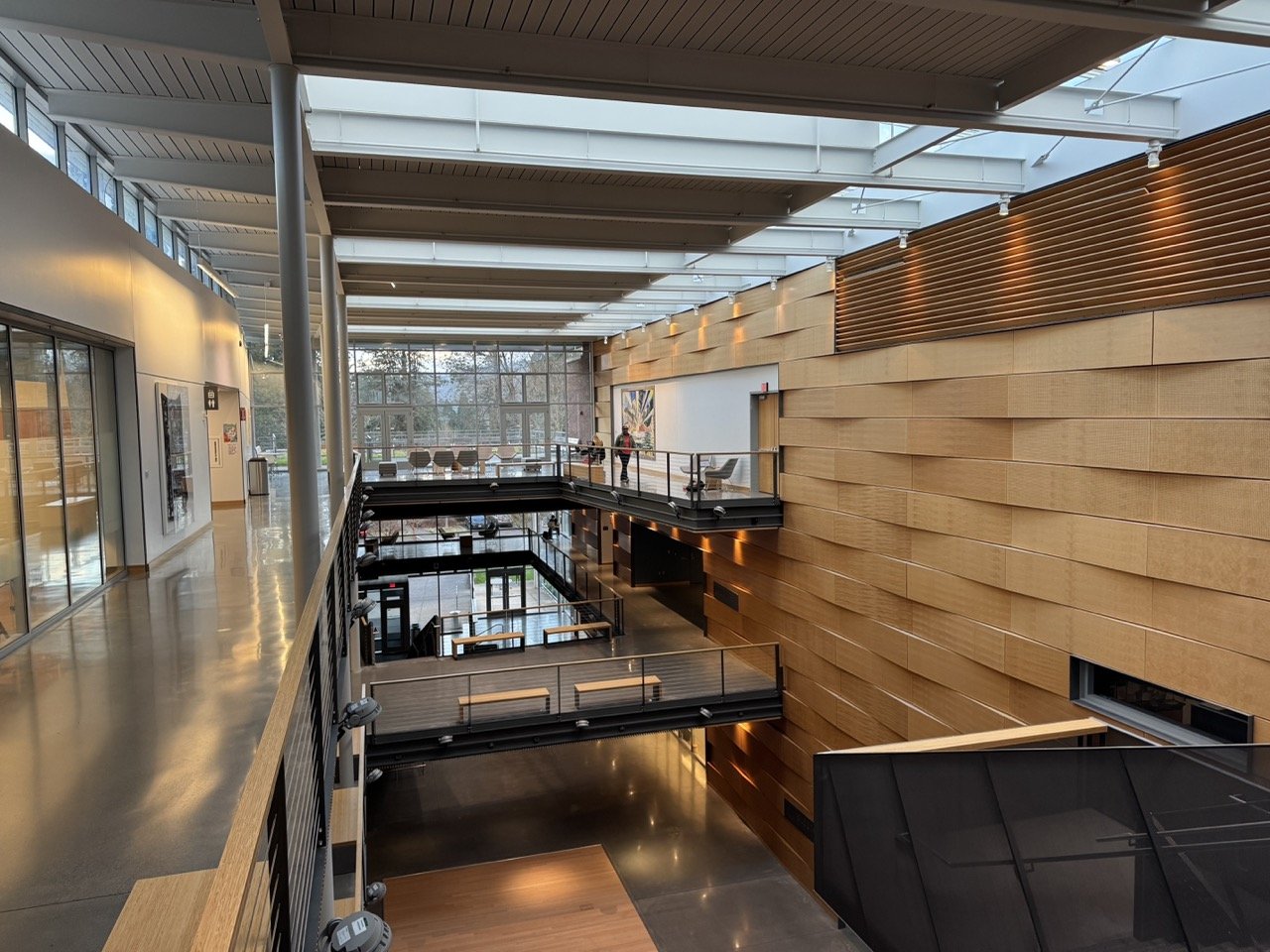
Reed sits nestled in Southeast Portland, Oregon, enveloped by trees, a canyon (Reed Canyon), and the hum of city access just beyond. The campus itself is a blend of Gothic brick buildings and modern labs.
The canyon cuts through campus, giving the sense that classes and dorms live on slightly different planes. Bridges and paths connect them. The overall effect is that you’re removed from busyness but never isolated from the city.
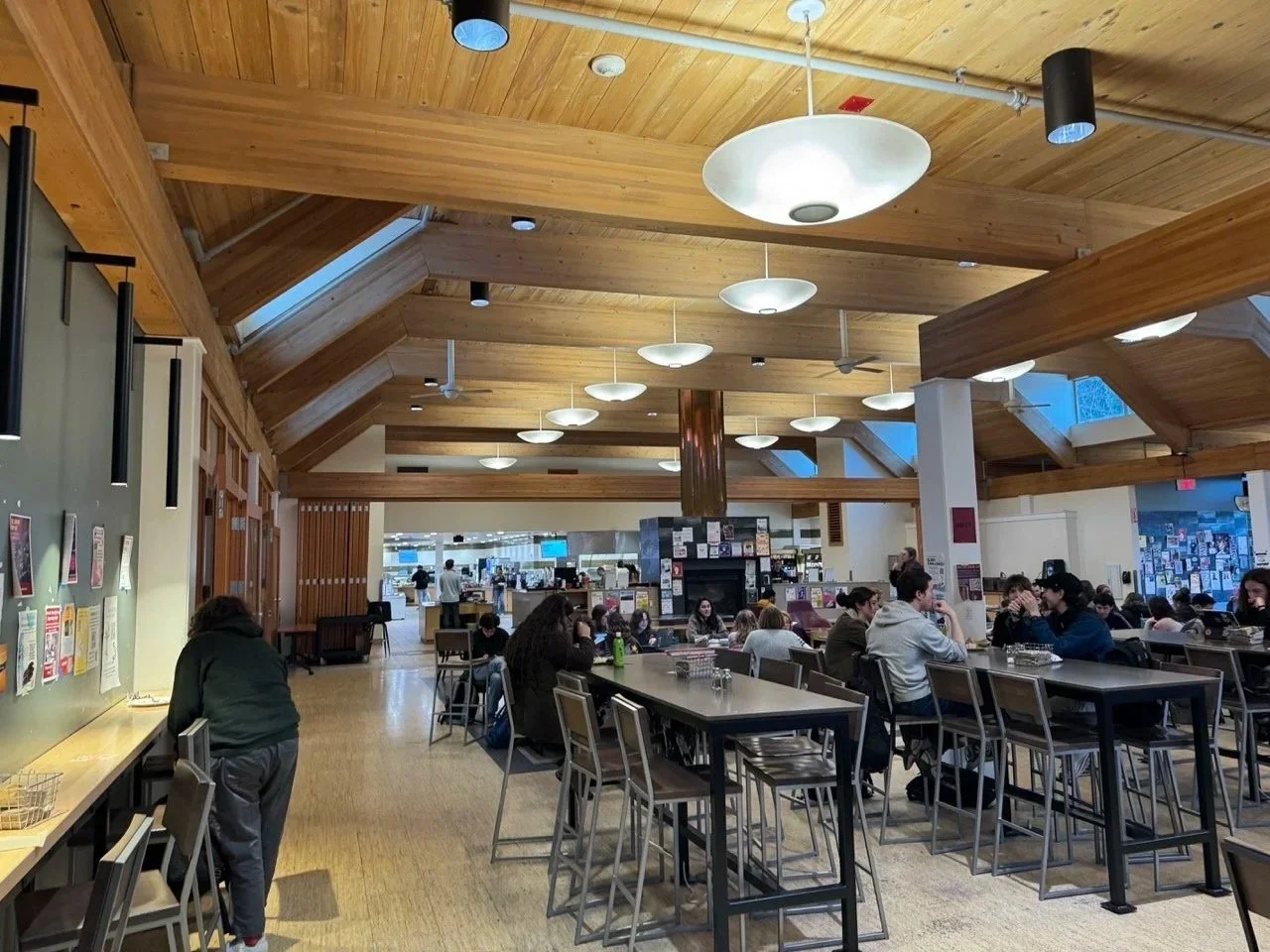
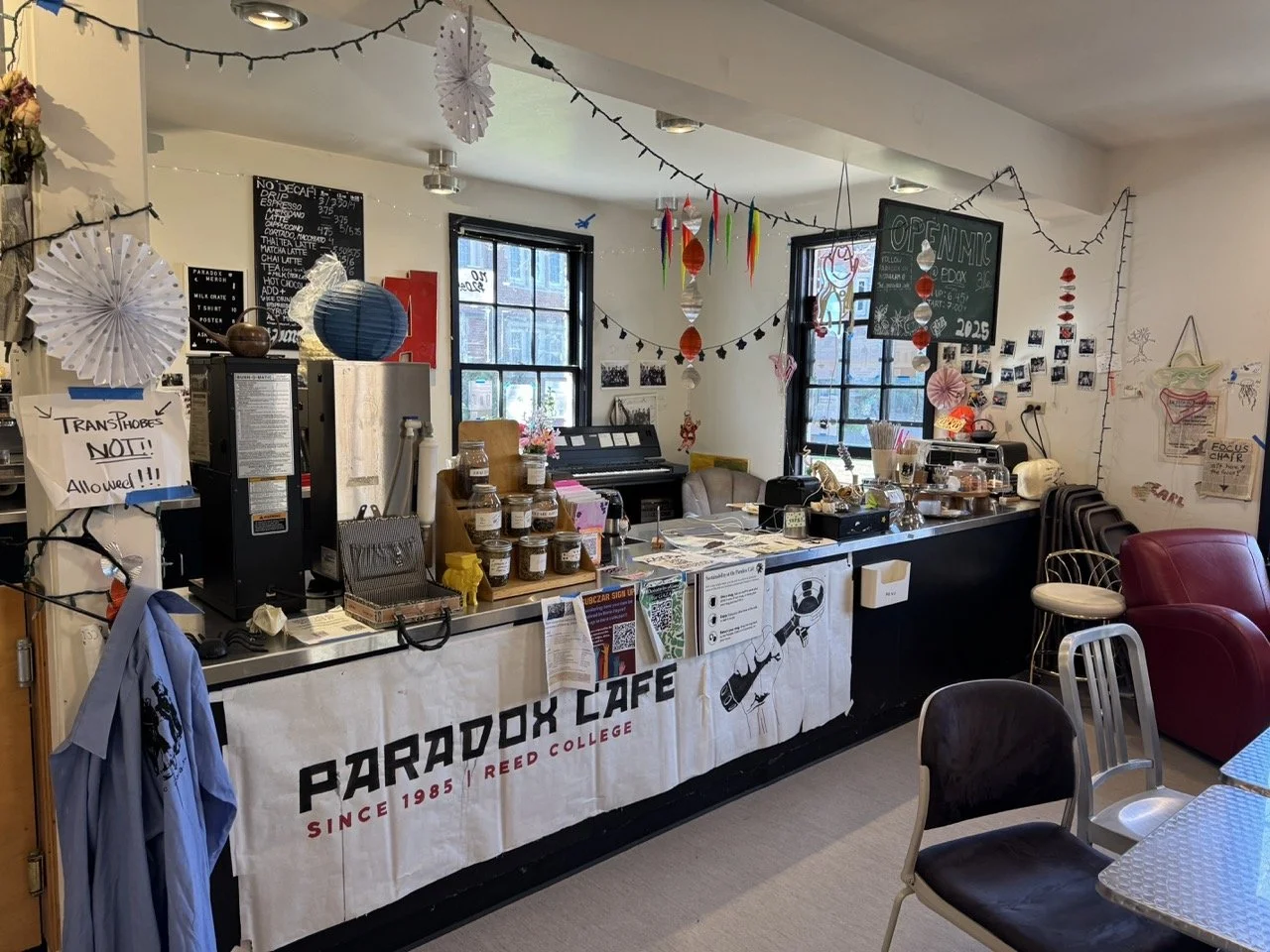
You’ll notice diversity in how students present themselves, in their identities, and in how they engage intellectually - it’s not just tolerated, it’s a core part of Reed’s ethos.
Admissions & Who Reed Seeks
What Reed values in applicants:
Intellectual curiosity more than a laundry list of APs
Depth over breadth - a student passionate about particular questions
Willingness to challenge norms and engage critically
Evidence of personal intellectual initiative
Reed uses holistic admissions. Standard application platforms (Common App or Coalition) are accepted. But what really matters is what you bring to the table - not just what you took.
Important policies & facts:
Reed meets 100% of demonstrated financial need for all admitted students (domestic & international).
Aid is determined via CSS Profile + FAFSA (for U.S. citizens/residents)
No merit scholarships - funding is entirely need-based
The average aid package is substantial, and over 57% of students receive institutional aid.
Reed does not require or use SAT/ACT in admissions decisions.
Academic Life & Majors
Upon arrival, students often realize the Reed experience is different from anything else.
Curriculum & Class Style
Most courses are seminar or discussion-based - small, highly interactive, student-driven
The aim is to blur lines. Your class interests often inform your assignments and readings
Grades exist, but they’re de-emphasized. You receive narrative feedback. The registrar doesn’t release letter grades unless student work is unsatisfactory.
No Dean’s List or overt honors distinctions, but academic performance is still taken seriously
The goal: value the process and intellectual growth, not just the final product
Majors, Double Majors & Thesis
Reed offers around 26 departmental majors and several interdisciplinary ones.
Double majoring is uncommon because every major comes with a thesis book requirement (a serious two-semester project)
Expect to invest deeply in one field (or two very related ones)
About 20–30% of Reed graduates go on to PhDs - one of the highest per capita rates in the country
However, getting a PhD is not a requirement. It’s simply where many Reedies’ passion leads them
Faculty & Departments
No adjunct professors - all teachers are full faculty
Smaller departments allow professors to bring in cross-disciplinary texts and conversations
Philosophy: The department head leans heavily on Greek philosophy while weaving in literature, classics, and modern texts
Computer Science / STEM within liberal arts: Smaller class sizes mean flexibility so you’re not just on a conveyor belt to IT. You can shape what impact you want to have
Housing, Student Life & Culture
Housing & Residential Life
Reed has ~18 residence halls accommodating around 900 students.
There are themed houses (e.g. language houses, outdoors-oriented houses, etc.)
Trillium, a newer LEED-certified building, now ensures housing for freshmen and sophomores without reliance on the lottery.
Queer Presence & Identity
A large proportion of students identify as queer or are queer-adjacent in their identity and communities
LGBTQ+ perspectives permeate campus culture - classrooms, housing, conversations
This presence is not incidental: it shapes how people relate, how texts are read, and how students see themselves
Traditions, Fun & Unique Culture
Renn Fayre: Reed’s legendary spring festival. This year’s theme? SpongeBob and space (yes, really).
Dibs Day: Each student gets one class they can “dib” - meaning no questions asked, you’re guaranteed a spot
Paideia: In January, Reed suspends the usual schedule for a month of experimental courses taught by anyone (students, faculty, outside)
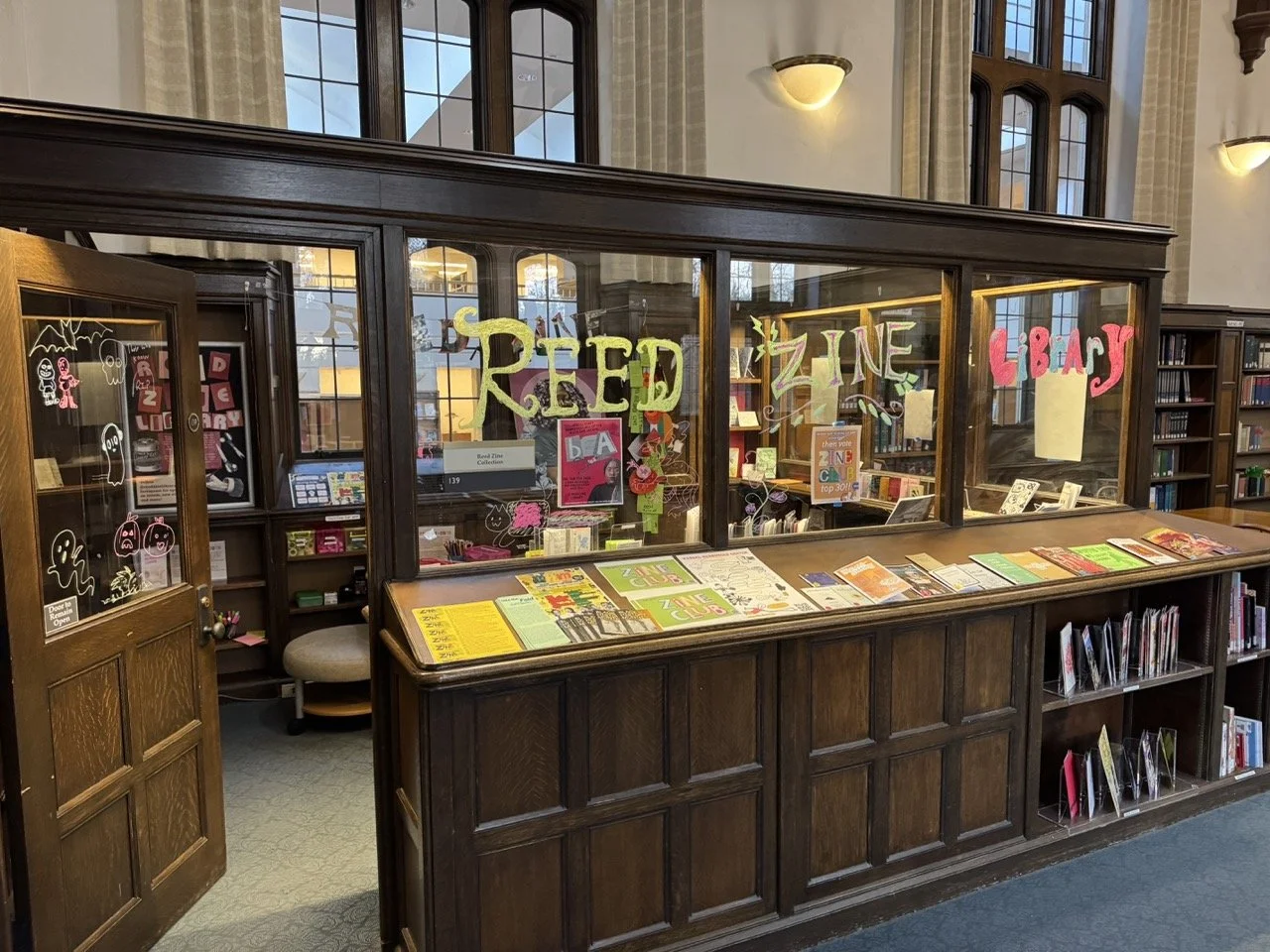
Comics Archive: Reed’s comic book archive is one of the largest in the U.S.
Ski Cabin on Mt. Hood: The Reed Outing Club runs a cabin for winter sports. Students can ski / snowboard (often free or discounted) and borrow equipment.
The Doyle Owl (the “stolen” concrete owl) is a quirky symbol, tied to dorm lore.
Athletics & Extracurriculars
Reed does not have NCAA varsity teams, but that doesn’t mean Reedies aren’t athletic:
Club sports include ultimate frisbee, soccer, rugby, basketball, and squash
The Reed Outing Club (ROC) is active - skiing, hiking, camping, etc.
Physical education (classes like kayaking, juggling, and dance) is required for graduation
The athletic ethos is participatory, not competitive in conventional collegiate terms
Cost, Financial Aid & Affordability
Key financial facts:
Reed pledges to meet 100% of demonstrated need for all admitted students, domestic and international, for all four years.
Aid comes via grants, work opportunities, and loans, but heavily weighted toward grants
The average financial aid award is large, and over half of Reed students receive institutional aid.
Graduates carry, on average, ~$10,000 less debt than peers at private schools.
Reed’s direct cost (tuition + fees + room & board) is high as a private liberal arts college, but aid makes the net much more manageable
The school does not offer merit scholarships. Need is the only factor
The CSS Profile is central. Reed often serves families where standard aid formulas alone would leave gaps
For some middle-class families whose assets are above thresholds for typical aid, the CSS mechanism may offer pathways to more affordability
Reed wants your family to do the math, but it commits to reducing financial barriers when it admits a student.
Who Thrives Here & Final Thoughts
Reed is not for everyone — and that’s exactly the point. It’s for the student (and the family) who:
Loves ideas more than credentials
Wants to question more than fit in
Is drawn to depth and sustained inquiry
Is unafraid to show up to office hours, argue in class, and ask new questions
Is comfortable in a liberal, socially engaged space
Could benefit from strong peer and faculty relationships
Doesn’t judge success purely by “what job will I get”
If your student is someone who thrives in guided conversations, who sees courses less as “what I need to check off” and more as “what I want to do,” Reed can be transformative.
Parents often worry: “Will they be able to get a job? Will PhD be the only path?” The answer: many Reedies go into industry, policy, arts, and nonprofits. Not every kid produces a thesis and then becomes a professor, but the skills (critical thinking, sustained writing, self-direction) are deeply valued in surprising places.